
Structural Methods for Gating Prefrontal Load in High Demand Operational Seats
Structural input gating buffers prefrontal working memory from raw operational signals, halting allostatic exhaustion and stabilizing executive performance.

Intake
Four communication channels flash simultaneously across two monitors past midnight. An operator sits upright, reading an escalating server error log while three department heads request immediate authorizations. Every incoming query demands immediate appraisal, priority scoring, and emotional control.
The human brain processes high-consequence signals through the prefrontal cortex, a biological region with strict thermodynamic and metabolic boundaries. When inputs arrive continuously without an intervening buffer, this neural machinery reaches operational saturation within hours. The screen flashes red.
Attention remains strictly finite.
Working memory holds approximately four distinct items simultaneously before degradation occurs. When six unstructured problems compete for executive attention, the central executive mechanism drops analytical depth to maintain continuous reaction speed. The operator scans fragments of information, unable to sustain the focused deliberation needed for systemic diagnostics.
Each unassigned query demands evaluation. Cognitive capacity fragments into small, reactive parcels that deplete metabolic glycogen without resolving root causes.
The operator exposed to continuous raw signals burns working memory on triage rather than resolution.
Unbuffered operational seats impose a rapid succession of cognitive shifts. Each interruption forces the retrieval of disparate contextual data from long-term memory, generating measurable switching drag. Laboratory measurements of cognitive performance confirm that alternating between disparate problem domains produces immediate drops in analytical accuracy and sharp increases in error frequency.
The executive system burns substantial neurochemical reserves merely clearing the debris of discarded mental models.
- Attentional fragmentation across multiple real-time feeds degrades analytical precision within ninety minutes of sustained exposure.
- Continuous alert appraisal triggers sustained sympathetic nervous system activation, locking executive circuits into rigid threat-response patterns.
- Unstructured input routing consumes up to forty percent of daily prefrontal reserves solely on operational classification tasks.
- Context switching drag generates cumulative latency across subsequent analytical cycles, compounding decision fatigue before midday.
Information overload in an operational console alters the physical state of the operator. Heart rate variability drops, salivary alpha-amylase climbs, and peripheral blood vessels constrict as the autonomic system prepares for physical defense. Because the physical seat prevents kinetic dissipation of this arousal, the neuroendocrine cascade circulates unabated, bathing prefrontal tissue in elevated catecholamines.
The immediate operational output appears intact, yet the underlying system moves closer to acute operational paralysis.
Unfiltered streams landing directly on an operational seat inevitably force the operator to abandon strategic oversight in favor of erratic crisis management.
Drain
Biological Costs of Sustained Executive Arousal
Prolonged neuroendocrine activation transforms acute compensatory effort into chronic biological wear. When operational seats demand unyielding vigilance across weeks, the sustained secretion of cortisol and epinephrine initiates allostatic load across central and peripheral tissues. The prefrontal cortex shows structural vulnerability to sustained high-titer glucocorticoid exposure.
High levels of circulating stress hormones induce dendritic atrophy in medial prefrontal pyramidal neurons while stimulating dendritic growth in the basolateral amygdala. The physiological floor drops rapidly. Biological limits exist.
This morphological remodeling alters operational judgment. The person in the operational seat experiences a contraction of temporal perspective, defaulting to immediate risk aversion over long-term optimization. The capacity to simulate complex future states deteriorates under sustained hormonal pressure.
Settled research in mammalian stress models confirms that high glucocorticoid concentrations impair prefrontal spine density within weeks. Reversal of this structural remodeling depends on prolonged intervals of low autonomic tone, a condition absent in unbuffered operational roles.
Chronic glucocorticoid elevation shrinks prefrontal dendritic trees while expanding threat-detection circuitry in the amygdala.
Throttling Versus System Failure
Operational decline under chronic demand frequently invites misinterpretation. Observers often label an unresponsive operator as clinically depressed or fundamentally deficient in resilience. Throttling is an adaptive physiological down-regulation designed to preserve core biological integrity under unsustainable load.
The human nervous system deliberately dampens responsiveness to incoming stimuli when total input exceeds metabolic processing capacity. Exhaustion mimics affective illness.
A throttled operator maintains basic mechanical execution while losing the capacity for spontaneous synthesis, empathy, and proactive planning. The internal conservation mechanism reduces prefrontal consumption to protect cardiac, immune, and metabolic baselines. Mistaking this protective shutdown for an emotional failure leads teams to prescribe psychological reframing or motivational interventions, which compound the strain on depleted prefrontal tissue.
Whether prolonged neuroendocrine down-regulation causes irreversible alterations in prefrontal volume remains an open inquiry within human longitudinal neuroscience.

Deck
The spatial architecture of the physical work environment governs the volume of peripheral distractions reaching central executive processors. In high-demand seats, a console cluttered with ambient notifications, physical papers, and unsorted equipment continuously pulls on the ventral attentional network. This bottom-up attentional capture forces the top-down dorsal network to expend inhibitory energy to maintain focus on primary diagnostic tasks.
Physical distance creates latency. A terminal demands isolation.
Separating the intake terminal from the deliberative desk creates a physical gate. An operator who reviews raw diagnostic telemetry while seated at the same surface used for executive decision-making experiences constant cognitive interference. Dedicated workstations for distinct cognitive modes reduce unintentional task pollution.
Urgency destroys deliberative control.
Physical separation of intake stations from synthesis surfaces reduces unconscious cognitive switching.
A console that shows everything at once guarantees that nothing receives full analytical inspection.
Filter
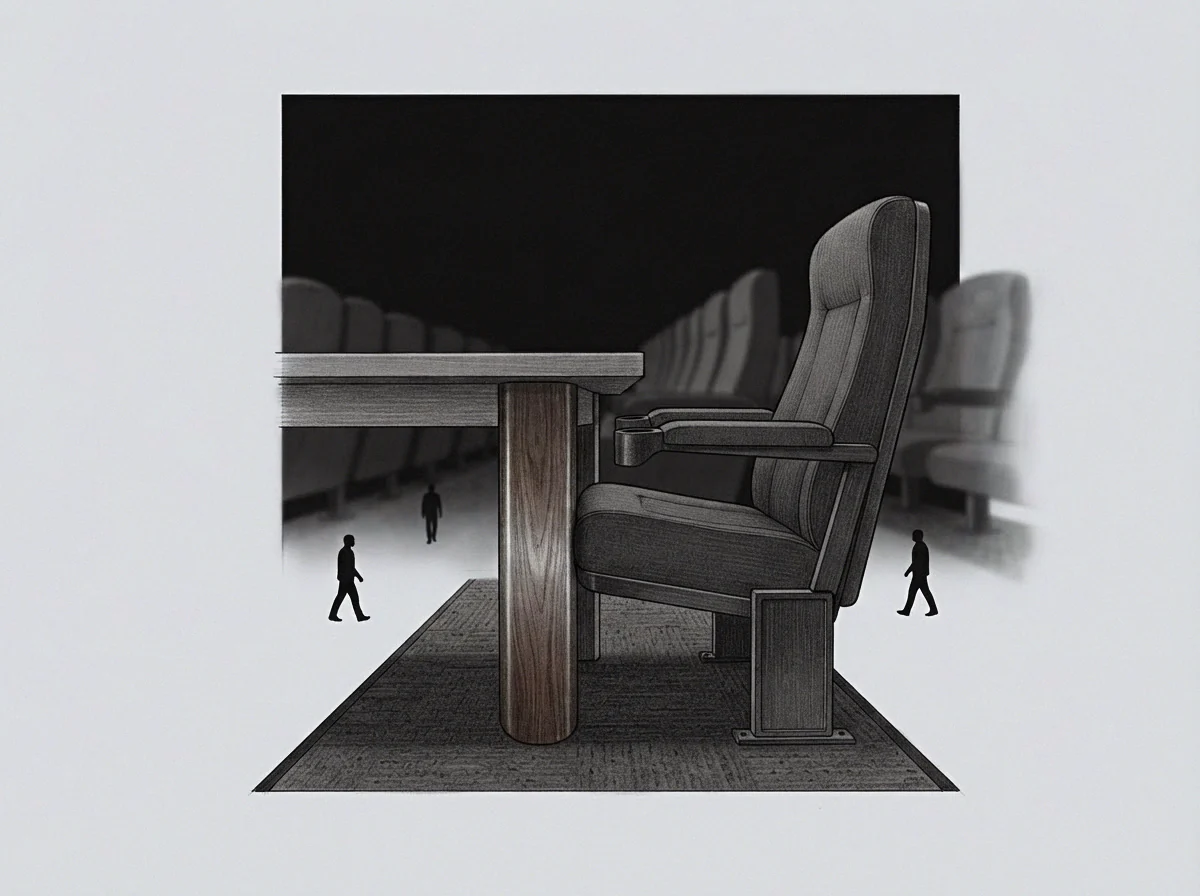
Structural Parameters for Input Gating
Protecting prefrontal reserves requires mechanical gating systems situated between incoming operational demands and the human operator. Structural gating relies on predefined filtering criteria rather than real-time discretionary decisions. When an incoming message arrives, it must pass through fixed criteria governing scope, delivery schedule, and operational terms before touching the operator.
Ambiguity consumes working memory. Context switches exact heavy tolls.
Consider an operational post managing critical platform stability. When incident reports land directly in the primary operator terminal, each incident triggers an involuntary orienting reflex. If an intermediate parsing queue sorts tickets according to explicit parameters, the operator interacts only with synthesized, prioritized problem statements.
The gating layer acts as an externalized cognitive filter, absorbing the initial classification burden.
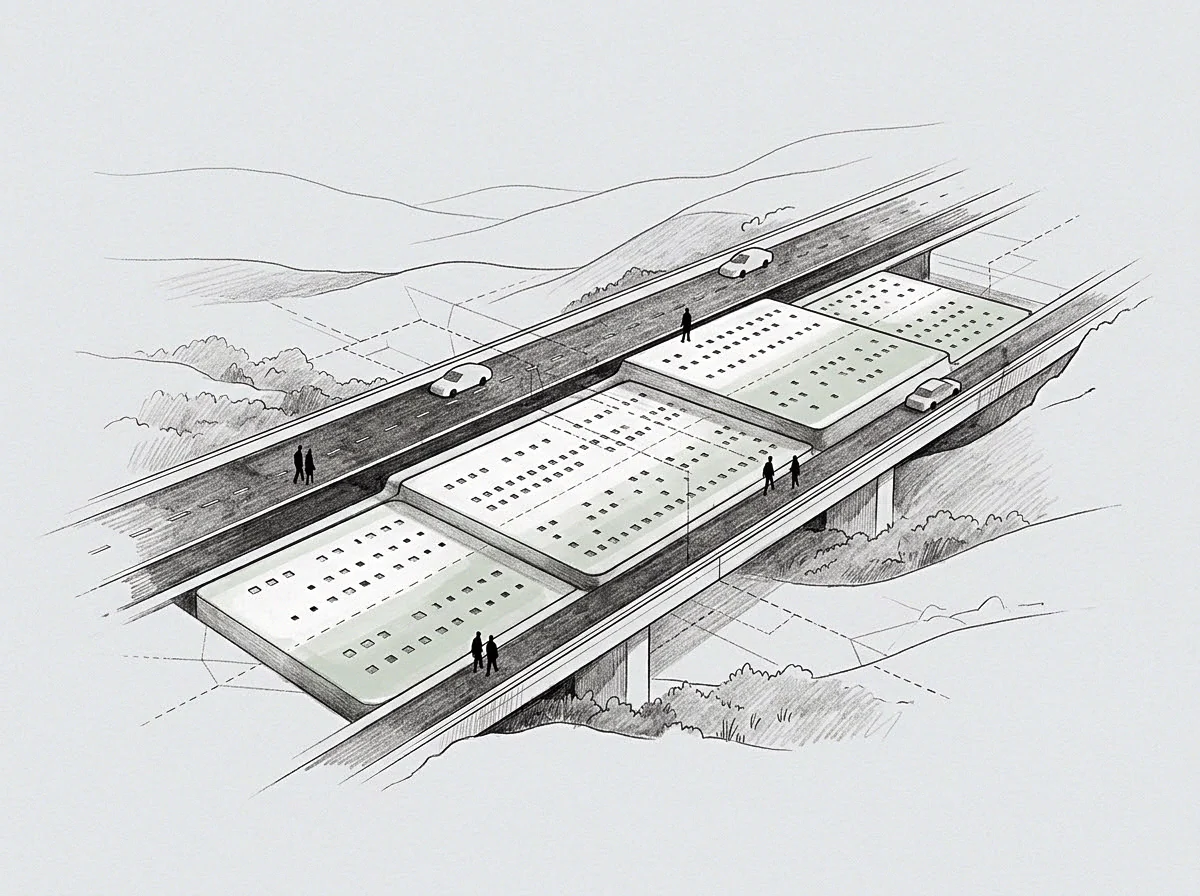
Can Asynchronous Batches Protect Working Memory?
Real-time responsiveness destroys prefrontal continuity. Converting incoming streams into scheduled asynchronous batches consolidates context switches into designated temporal windows. The protocol forces pauses.
Silence restores prefrontal reserves.
- Parameter verification strips unstructured verbiage from incoming requests and formats technical requirements into standardized fields.
- Temporal quarantining holds non-catastrophic communications inside intermediate storage pools until pre-established clearing windows open.
- Concurrency ceiling enforcement restricts active diagnostic investigations to a maximum of three concurrent operations.
- Terminal offloading moves resolved operational logs entirely out of visual sight to prevent lingering working memory retention.
| Operational Metric | Continuous Open Reception | Parameter-Gated Intake |
|---|---|---|
| Simultaneous Working Memory Demands | Six to nine active inputs | Two to three verified tasks |
| Context Switching Frequency | Twelve to twenty shifts hourly | Two scheduled batch windows |
| Sympathetic Tone Elevation | Sustained throughout operational shift | Transient peaks during active triage |
| Diagnostic Accuracy Across Four Hours | Steep linear decline past ninety minutes | Stable baseline performance throughout |
| Recovery Latency Post-Shift | Extended neuroendocrine recovery time | Rapid normalization of autonomic tone |
Industrial control rooms in nuclear power generation and oceanic vessel navigation rely on physical isolation and hard-coded telemetry thresholds to protect watchstanders from alarm cascades. During an industrial malfunction, hundreds of subordinate sensors trigger simultaneous alerts. Early control systems overwhelmed human operators with raw audio-visual noise, inducing sensory saturation and severe diagnostic blunders.
Modern industrial interfaces suppress subordinate alarms, highlighting only root-cause indicators until the primary disturbance resolves. The operational seat in high-growth enterprises requires an identical architecture to preserve executive functioning.
The team sends urgent inquiries and expects an immediate answer because the console has always stayed open.
Split
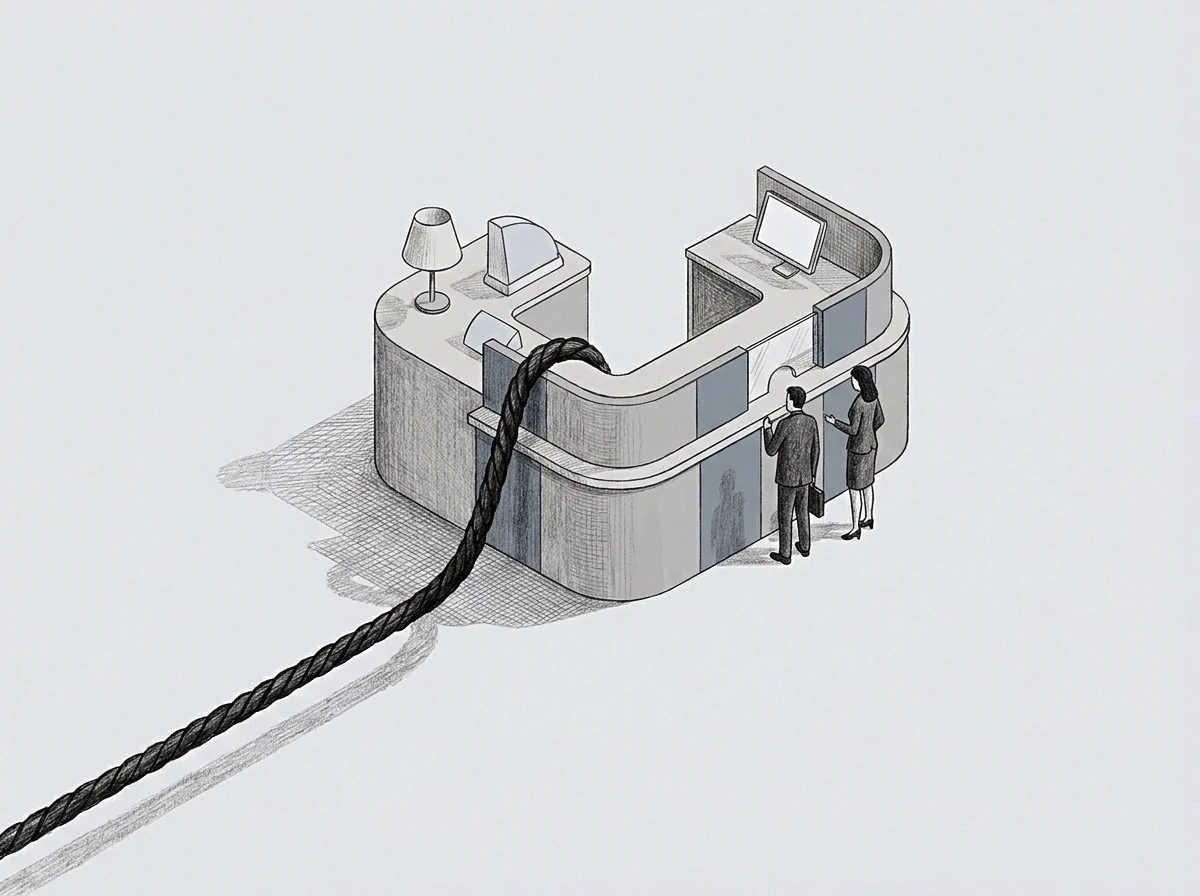
Dividing operational authority across distinct individuals provides an absolute structural ceiling on executive load. When a single individual acts as both primary incident responder and strategic architect, executive capacity inevitably fractures under the pressure of immediate tactical emergencies. Strategic reflection demands low catecholamine concentrations and extended cognitive runway, whereas operational firefighting operates on high sympathetic arousal.
These two neurological states inhibit one another.
A functional operational architecture establishes an unyielding division between real-time incident commands and systemic evolution tasks. One partner manages the live console, resolving tactical friction and absorbing real-time communications. The second partner operates behind an asynchronous wall, insulated from immediate alarms to focus exclusively on architecture, capital allocation, and governance.
Clean boundaries eliminate monitoring. A true handover transfers authority.
Absolute operational division prevents the immediate crisis from extinguishing long-range executive capacity.
Rotating these responsibilities requires absolute handoffs. If the off-duty partner maintains passive monitoring of operational feeds, the brain continues to allocate working memory slots to potential crises. Passive monitoring maintains elevated vigilance, preventing neural restorative processes.
The off-duty state must be total, verified by disconnected network credentials and physical absence from monitoring posts.
A formal rotation contract that defines absolute handoff times and revokes communication platform access during recovery periods establishes the biological space required for complete prefrontal restoration.