
Structural Thread Gating Dynamics and Vascular Allostatic Load Reversal Across High Demand Operators
Structural thread gating eliminates continuous autonomic vigilance from open cognitive loops, lowering peripheral vascular resistance to reverse allostatic load.

Artery
Four communication channels stay active past midnight while peripheral vascular resistance climbs. The operator sits stationary before two lit displays, tracking sixteen unresolved operational contingencies at once. Endothelial nitric oxide synthase transcription slows under sustained sympathetic discharge, stiffening arterial walls before any cognitive strain is consciously felt.
The body registers systemic demand well before fatigue alters executive output.
Vascular allostatic load represents the cumulative degradation of arterial compliance under relentless regulatory requirement. In demanding environments, autonomic setpoints drift upward to sustain expected cognitive output. The baroreceptor reflex resets to defend higher baseline arterial pressures rather than dropping back to rest conditions.
This persistent hemodynamic adjustment extracts an ongoing biological tax across the peripheral microvasculature. The vascular tree operates as a pressurized conduit, dampening pulsatile force to shield cerebral capillaries. When systemic tone remains elevated, the vessel walls remodel through medial hypertrophy, collagen deposition, and diminished elastic recoil.
Sustained peripheral vascular tone directly impairs end-organ perfusion while demanding heightened cardiac work, turning continuous organizational vigilance into measurable mechanical vascular strain.
A biological system defending elevated baseline blood pressure sacrifices peripheral microvascular elasticity to maintain constant central perfusion under perceived operational threat.
Every ongoing workstream held in working memory acts as an active metabolic draw. Monitoring an unbounded exchange commands immediate autonomic support. Sympathetic tone elevates low-frequency heart rate variability components, increases total peripheral resistance, and blunts downstream vasodilation.
Cognitive loops lacking explicit delivery conditions function as continuous regulatory drains. The vascular endothelium registers this neural activation through blunted flow-mediated dilation. Endothelial progenitor cells decline in circulating concentration, restricting spontaneous vessel repair throughout capillary beds while the systemic vasculature absorbs the mechanical cost of holding contingencies in suspense.
The operator misreads this peripheral strain as transient workload friction. Left unaddressed, vascular remodeling outpaces physiological compensation capacity. A persistent baseline elevation of eight millimeters of mercury systolic pressure doubles long-term microvascular remodeling rates across standard demographic bands.
That mechanical cost settles directly into the elastic lamina of major arterial branches.
Channel
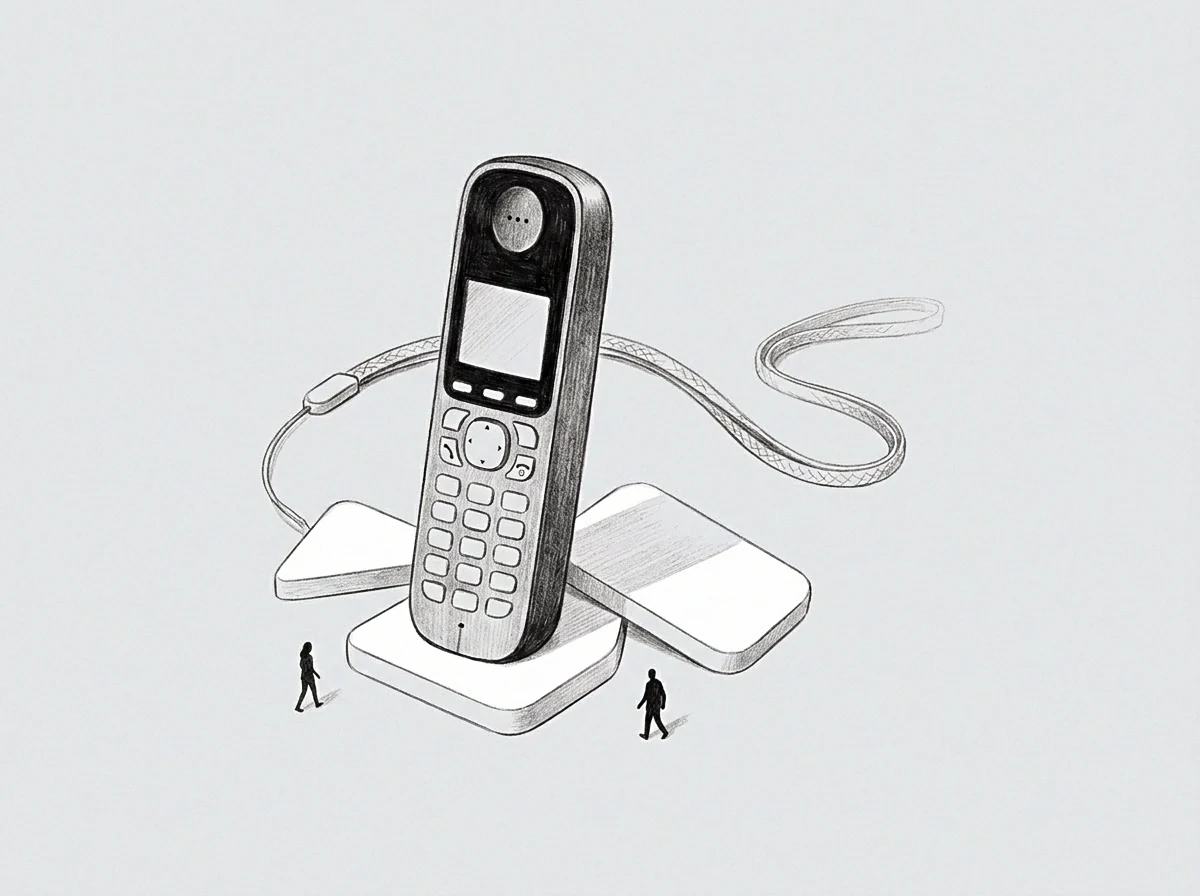
An ungated operational loop functions as an open metabolic channel within cognitive architecture. Working memory allocates continuous attentional slices to monitor incoming status updates from team members, clients, and capital allocators. Each open thread occupies an active neurological partition, regardless of immediate execution demands.
The autonomic nervous system scales cardiac output to match the total count of open channels rather than the single task underway.
Human operational capacity operates under a finite concurrency limit governing working memory slots. When an operator holds six distinct conversational threads without clear terminal bounds, central executive capacity saturates. The central nervous system initiates a continuous background scan across each unresolved contingency.
The prefrontal cortex maintains heightened firing rates to preserve the working state of each delayed outcome. This cortical activation projects directly to the thoracic spinal cord via sympathoexcitatory pathways, driving peripheral vasoconstriction. The total volume of concurrent threads dictates systemic vascular wear rather than the complexity of any individual decision, forcing the operator into reactive priority sorting at high biological capacity cost.
Throttling emerges as an adaptive physiological brake when regulatory capacity reaches total exhaustion. The operator encounters an acute inability to initiate novel tasks, while existing commitments continue running on autonomic reserves. Observers frequently mislabel this operational paralysis as clinical depressive withdrawal.
Throttling preserves essential physiological systems by unilaterally dropping discretionary cognitive loops. The central nervous system reduces dopamine receptor sensitivity within ventral striatal networks to depress goal-directed behavioral initiation. This protective shutdown limits additional metabolic strain when vascular wear approaches critical thresholds, functioning as an active regulatory mechanism defending biological limits rather than a breakdown in executive competence.
Differentiating throttling from unmanaged systemic failure requires examining functional responses to structured constraints. A failing system exhibits generalized degradation across both structured and unstructured environments without functional recovery. A throttled system immediately regains executive efficiency the moment extraneous operational channels close, re-establishing metabolic equilibrium across active prefrontal circuits.
Vascular tone tracks channel volume with strict mechanical fidelity. As the count of ungated operational lines expands, systemic arterial compliance drops proportionally. Chronic inflammatory markers rise within peripheral serum alongside circulating catecholamines, providing concrete biological markers of thread saturation.
The body measures regulatory load through vascular wear long before the mind acknowledges exhaustion.
Gate
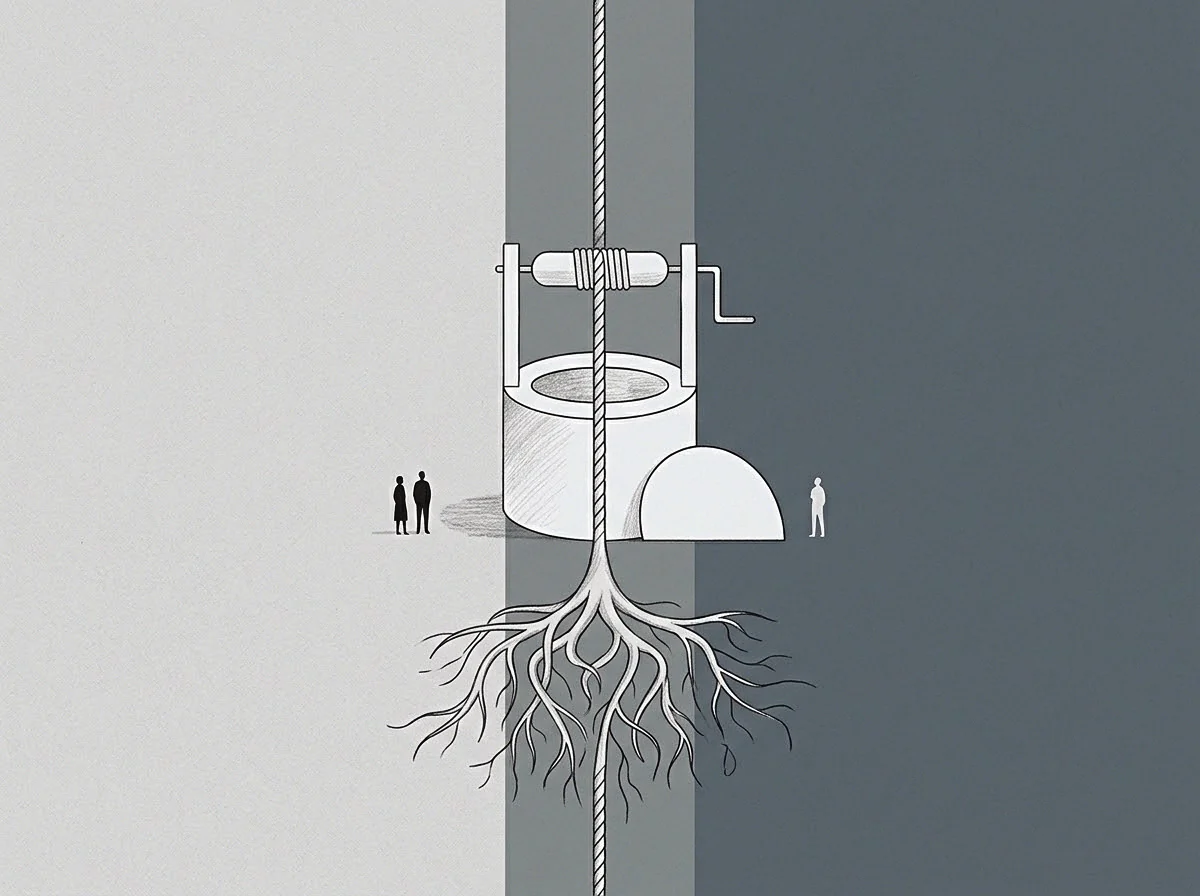
Gating converts an unconstrained cognitive loop into an isolated, predictable operational container. An open message string demands indefinite continuous vigilance; a gated commitment carries fixed parameters that suspend neural monitoring until scheduled triggers occur. The nervous system downregulates vigilance the moment an operational loop acquires concrete boundaries.
Structural gating operates through three non-negotiable structural parameters:
- Scope containment isolates explicit functional deliverables and categorically excludes peripheral administrative obligations from active operational review, establishing operational perimeters that prevent opportunistic scope creep from downstream counterparties.
- Temporal bounds establish specific terminal review dates, releasing the prefrontal cortex from intermediate monitoring duties until the designated operational moment arrives and removing background vigilance loops from continuous active memory.
- Terminal conditions define precise completion criteria that permanently conclude the commitment without open-ended post-delivery negotiations, eliminating speculative parsing once the core deliverable transfers.
Applying this three-part boundary eliminates background cognitive scanning across midbrain structures. The prefrontal cortex reallocates freed resources toward central metabolic stabilization, downregulating sympathetic autonomic outflow. The resulting decline in circulating norepinephrine permits vascular smooth muscle to relax, increasing systemic arterial compliance within hours of boundary implementation.
Consider two high-demand operators managing identical portfolios of four corporate entities over thirty-six months. Assume both operators experience equal operational volatility, equivalent capital responsibilities, and identical baseline biological profiles. The first operator leaves all communication lines unbuffered, receiving unstructured queries through real-time messaging services across eighteen hours daily.
The second operator introduces structural thread gating, confining incoming requests to fixed delivery milestones with stated terms. The first operator maintains twenty-eight ungated loops concurrently; the second caps active execution loops at four, parking remaining items into scheduled storage states. The ungated operator displays persistent vascular tone elevations, high systemic peripheral resistance, and blunted nighttime blood pressure dipping.
The gated operator exhibits normal vascular compliance, restored baroreflex sensitivity, and consistent nocturnal dipping profiles despite identical executive responsibilities.
A commitment stripped of explicit temporal bounds extracts constant metabolic rent through autonomic background vigilance.
The difference in biological wear between these operational states stems entirely from loop structure rather than total output volume. Unbounded threads impose constant background taxations that prevent physiological vascular recovery, whereas gated arrangements contain metabolic expenditure to designated execution periods. Structural gating restores operational longevity by preserving internal physiological resources.

Shift
The physiological transition from unmanaged thread saturation to gated operational boundaries forces immediate metabolic reallocation. When background scanning ceases, central sympathetic outflow declines, lowering peripheral vascular tone. Endothelial cells downregulate endothelin-1 secretion while increasing basal nitric oxide production.
The arterial tree begins the physical process of reversing chronic smooth muscle hypertrophy.

Can Vascular Architecture Rebound After Sustained Operational Saturation?
Vascular allostatic load reversal demands structured interventions across extended biological recovery windows. Reversing arterial remodeling occupies weeks of reduced hemodynamic stress rather than brief weekend respites. The smooth muscle layers of muscular arteries require prolonged periods of lowered wall tension to normalize cellular phenotypes.
Endothelial microvascular function typically recovers initial dilation capacity within twenty-one days of sustained sympathetic attenuation. Full collagen matrix turnover within conduit arteries extends across multiple months of stabilized blood pressures. Reversal remains impossible while the central nervous system perceives unresolved, unbounded commitments.
The table below compares key physiological, cognitive, and structural dynamics between saturated operational states and structurally gated operational baselines across senior organizational roles.
| Operational Dimension | Saturated Ungated Regime | Structurally Gated Regime |
|---|---|---|
| Autonomic Tone State | Persistent sympathetic predominance with blunted parasympathetic tone | Restored autonomic balance with prominent respiratory sinus arrhythmia |
| Vascular Hemodynamics | Elevated total peripheral resistance and abolished nocturnal dipping | Normalized systemic vascular compliance with preserved dipping profiles |
| Cognitive Loop Allocation | Unbounded continuous background monitoring across multiple open channels | Discrete working memory slots occupied strictly during execution windows |
| Endothelial Bioavailability | Suppressed nitric oxide synthesis with elevated systemic endothelin-1 | Normalized flow-mediated dilation and enhanced microvascular repair |
| Regulatory Strategy | Reactive cognitive triage driving metabolic depletion and sudden throttling | Proactive task gating preserving executive reserve and baseline headroom |
Vascular remodeling reverses systematically as structural gating eliminates continuous vigilance requirements. Flow-mediated dilation measures verify progressive endothelial normalization following loop elimination. Pulse wave velocity diminishes as arterial walls recover functional elastic recoil.
The cardiovascular system requires durable, permanent administrative constraints rather than temporary pauses, because permanent operational changes generate the stable autonomic baselines required for tissue restoration.
Endothelial tissue repairs its internal cellular architecture only when sustained smooth muscle wall tension permanently drops below elevated sympathetic thresholds.
Uncertainty persists regarding the maximum duration of operational overload an arterial system can sustain before remodeling becomes permanent. Current physiological evidence suggests extensive fibroelastic intimomedial expansion resists complete resolution after decades of unmanaged hypertension. Younger operators reverse vascular stiffness rapidly upon deploying thread constraints.
Older operators often demonstrate persistent structural wall changes despite rigorous downstream administrative interventions. Regardless of age, arresting further arterial stiffening requires the systematic removal of ungated cognitive demands.
The incoming operational load must conform strictly to the operator’s biological ceiling. When demand perpetually exceeds this internal limit, the operator faces accelerated vascular senescence. Structural thread gating offers a reliable engineering mechanism for aligning high-demand professional commitments with baseline mammalian physiological limits.
Refusing unscheduled calls establishes an operational boundary, though counterparties frequently interpret the sudden absence of immediate access as unresponsiveness.