
Long Term Neuroendocrine Restoration After Prolonged Absorption Of Organizational Panic Across Multiple Years
Prolonged organizational panic causes glucocorticoid receptor downregulation and chronic autonomic hyper-arousal, requiring strict loop closure for resensitization.

Tether
Systemic panic sustained over thirty-six months alters the baseline tone of the hypothalamic-pituitary-adrenal axis. Late night alerts, insolvency scares and board emergencies managed while regulating terror for eighty employees leave a distinct neuroendocrine signature. The physical body adapts to prolonged systemic panic by maintaining elevated baseline cortisol levels, suppressing parasympathetic activation, and downregulating glucocorticoid receptors in the hippocampus.
When the acute crisis ends, the physiological system does not return to its earlier baseline.
Acute stress relies on a self-limiting loop where cortisol provides negative feedback to the pituitary and hypothalamus, stopping further hormone release once a threat resolves. Continuous absorption of organizational panic breaks this negative feedback architecture. Constant receptor stimulation prompts target tissues to downregulate receptor density to prevent over-excitation.
As a result, the central nervous system loses its primary brake on stress signaling. High baseline circulating cortisol persists alongside blunted diurnal variation, leaving flattened morning peaks, elevated midnight troughs, and broken sleep architecture.
Downregulated glucocorticoid receptors prolong autonomic hyper-arousal long after external threats clear.
The metabolic cost of this adaptation registers across multiple somatic systems. Autonomic tone shifts permanently toward sympathetic dominance, elevating resting heart rate and suppressing heart rate variability. Digestive motility drops as blood flow prioritizes skeletal muscle readiness and vigilance networks.
The body remains prepared for disruptions that do not arrive, consuming metabolic substrate to maintain a defense state that no longer serves an operational purpose. Leaving this state unaddressed leads to progressive metabolic fatigue, structural sleep fragmentation, and immune dysfunction.
Shelf
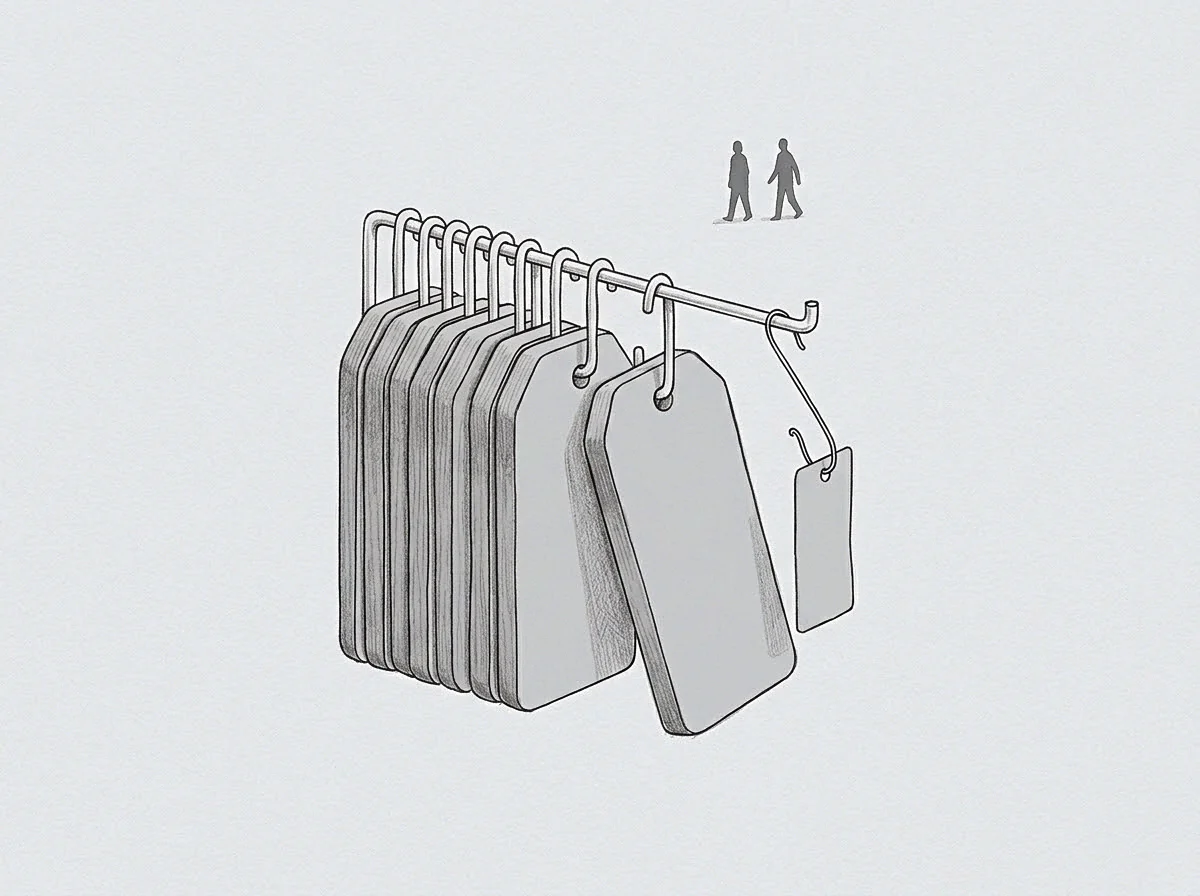
A prolonged state of neuroendocrine throttling is frequently misdiagnosed as clinical depression. While both present with flattened affect, reduced task initiation, and profound physical fatigue, their underlying physiological mechanisms remain distinct. Throttling reflects a protective downregulation of system capacity under saturated allostatic load, whereas clinical depression involves altered monoaminergic neurotransmission and mood regulation circuitry.
Treating a throttled neuroendocrine system with conventional activation strategies deepens physiological exhaustion.
In a throttled state, the central nervous system actively limits energy expenditure because cellular reserves are depleted. The executive capacity to hold ungated operational loops drops to zero while baseline vigilance remains high. The person remains hyper-reactive to sudden demands despite feeling completely unable to initiate self-directed projects.
| Diagnostic Criterion | Neuroendocrine Throttling | Clinical Depressive State |
|---|---|---|
| Diurnal Cortisol Curve | Elevated baseline with flattened diurnal slope and loss of morning awakening response | Variable, often characterized by blunted overall output or irregular circadian peaks |
| Autonomic Tone | Persistent sympathetic predominance with low high-frequency heart rate variability | Reduced overall autonomic flexibility with variable sympathetic activation |
| Thread Closure Response | Immediate reduction in systemic strain when open operational loops are closed | Minimal short-term shift in subjective energy upon objective workload reduction |
| Glucocorticoid Sensitivity | Systemic receptor desensitization following multi-year hypercortisolemia | Altered central feedback sensitivity without uniform peripheral receptor downregulation |
Observers routinely mistake this exhaustion for a loss of commitment or personal direction. A partner or investor assumes the operator has lost interest in the venture, misinterpreting physical immobility for disengagement, while the physiological machine simply lacks the hormonal substrate required to initiate non-essential actions.
A throttled neuroendocrine system requires thread reduction rather than psychological re-framing to restore autonomic headroom.
The system lacks the physiological capacity to translate intent into action.

Reserve
Long-term absorption of organizational chaos depletes secondary endocrine reserves. When the primary adrenocortical path remains saturated for years, collateral hormonal cascades deteriorate. Dehydroepiandrosterone production drops relative to cortisol, altering the anabolic-to-catabolic balance.
Peripheral tissues also reduce the conversion of thyroxine into active triiodothyronine to conserve cellular energy.

Can Glucocorticoid Sensitivity Return Without Complete Cessation Of Work?
Restoration of glucocorticoid receptor sensitivity does not demand total professional isolation. It requires the systematic removal of unexpected sensory and cognitive demands. Sensitivity recovers when the central nervous system experiences prolonged periods of predictable input, and resensitization stalls whenever the individual maintains hyper-vigilance toward potential organizational emergencies.
The physiological recovery process follows a non-linear trajectory through distinct phases of endocrine recalibration:
- Autonomic Stabilization involves the dampening of acute sympathetic spikes by eliminating unscheduled operational pings and enforcing absolute evening availability boundaries.
- Receptor Resensitization occurs over months of stable baseline endocrine output, allowing target tissues to rebuild normal glucocorticoid receptor density.
- Steroidogenic Realignment restores the ratio between catabolic cortisol and anabolic precursor hormones as basal hypothalamic drive normalizes.
- Metabolic Headroom Restoration rebuilds cellular glycogen reserves and baseline mitochondrial output once chronic stress signaling ceases.
A common failure mode occurs when an operator mistakes the first sign of returning physical energy for complete recovery. Re-engaging in high-concurrency environments during early receptor resensitization triggers a secondary endocrine collapse. The physiological system drops back into deep throttling, requiring longer recovery timelines than the original stress exposure.
Premature exposure to unpredictable organizational stress during endocrine resensitization collapses newly restored metabolic headroom.
What structural indicators signal that neuroendocrine pathways have fully recovered their baseline adaptive capacity?

Pacing
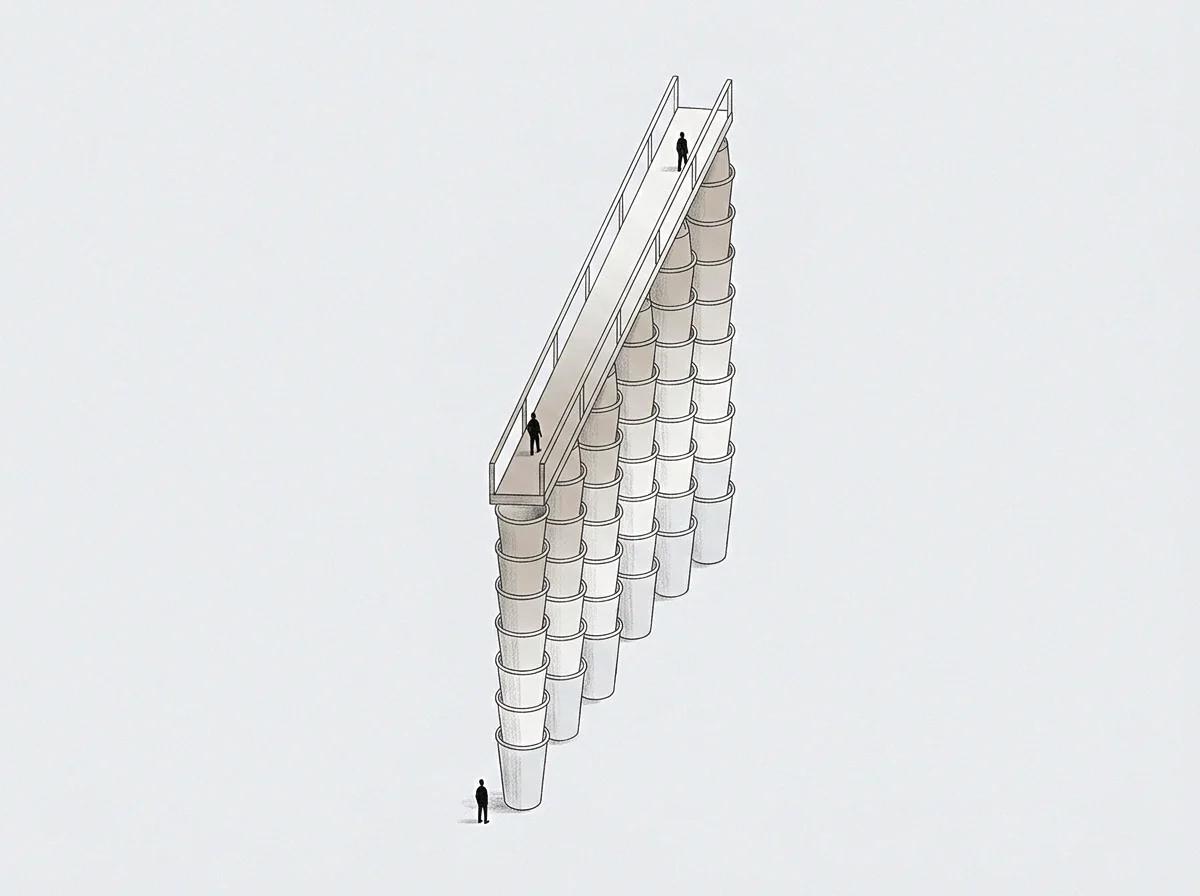
Restoration requires concrete structural gates around information intake and operational concurrency. The neuroendocrine system cannot distinguish between an actual corporate crisis and a nocturnal notification; both trigger identical adrenocortical cascades. The operator limits incoming load by replacing open communication channels with asynchronous, scheduled updates.
Gating Concurrency To Protect Endocrine Headroom
Holding open threads consumes active working memory and maintains elevated autonomic tone. Every un-gated loop acts as a persistent metabolic drain on depleted neural reserves. The operator establishes a strict limit on concurrent active projects, parking lower-priority initiatives until current threads reach full resolution.
The gate designer converts open commitments into closed, time-bounded terms with defined outcomes. An open commitment without clear terms forces the nervous system to remain vigilant against unexpected scope expansion.
Gating incoming communication loops protects restored autonomic headroom more effectively than reducing total working hours.
A clear, unnegotiable term changes an open-ended cognitive obligation into a costless parked item.
Margin
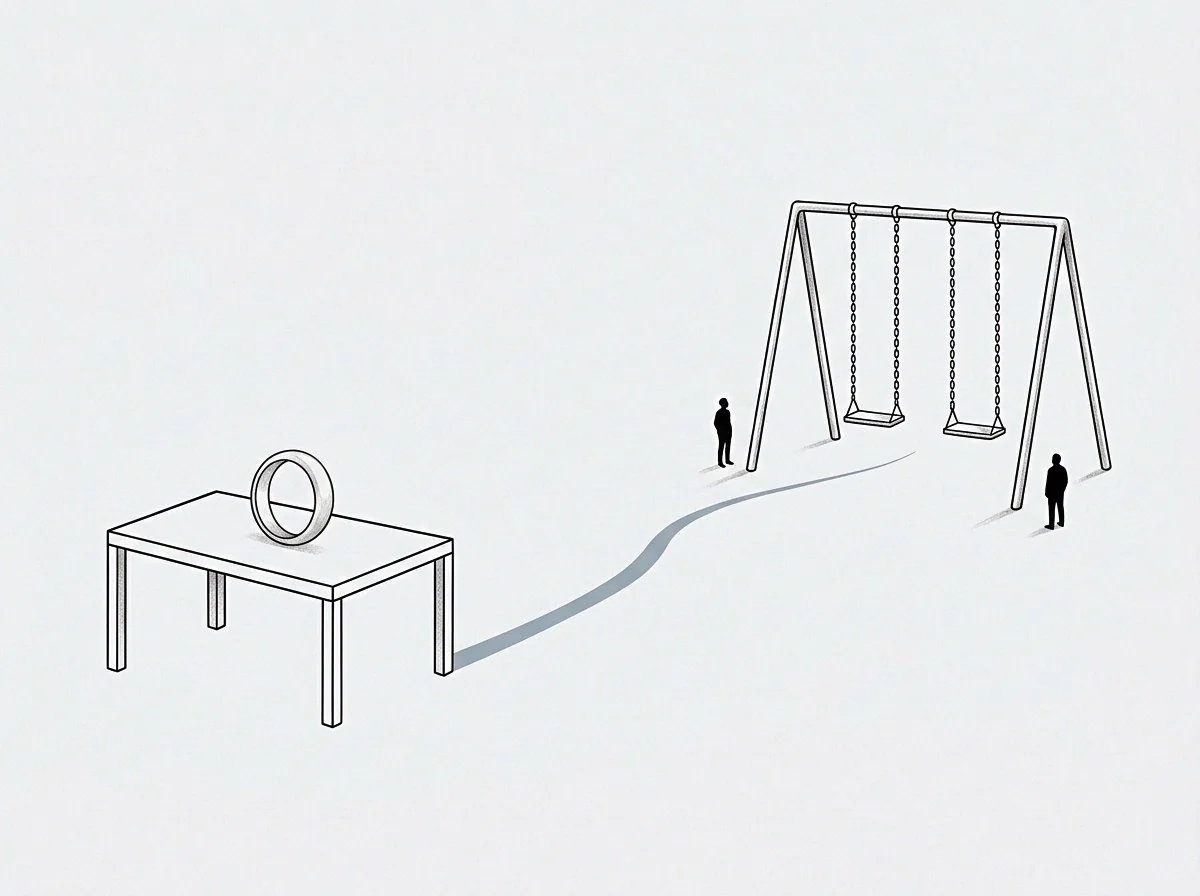
Long-term neuroendocrine restoration manifests as expanded structural headroom. The restored system regains the ability to absorb acute operational shocks without collapsing into chronic hyper-vigilance or profound throttling. Heart rate variability rises toward baseline values, morning cortisol peaks return, and sleep architectures normalize.
The operator who has traversed multi-year absorption of organizational panic treats capacity as an absolute physical quantity rather than an elastic mental resource. The sustainable floor is defined by the strict enforcement of concurrency limits, predictable operational rhythms, and explicit terms of engagement across all professional relationships.
Permanent neuroendocrine restoration depends on matching operational commitments to physical capacity rather than psychological willpower.
The threshold of sustainable load is set by baseline physiological recovery rate rather than acute threat tolerance.