
Calibrating Organizational Response Latency Against Asymmetric Technical Debt and Upstream Escalation Volume
Organizational response latency scales non-linearly when asymmetric technical debt meets unthrottled upstream escalations, requiring state-gated intake limits.
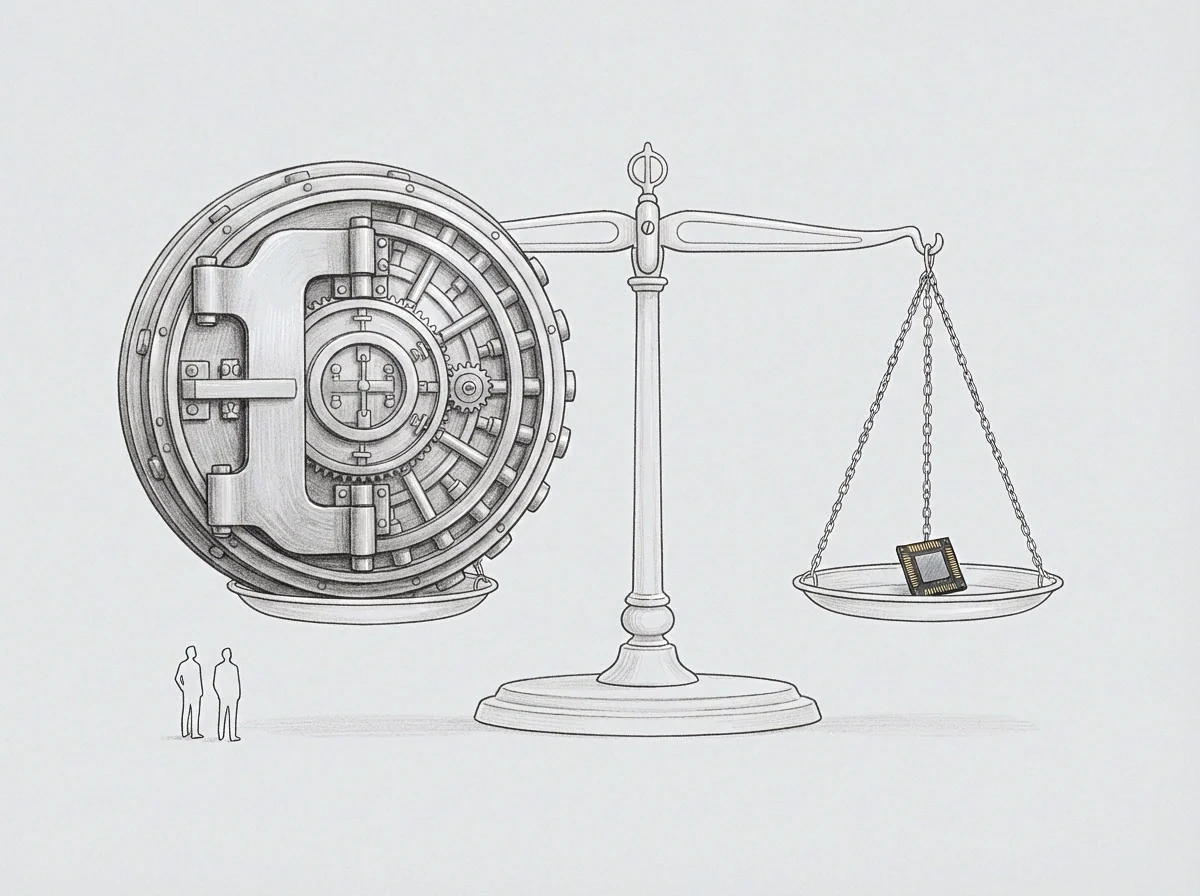
Surge
Response latency inside an organization reflects an internal transfer function more than an isolated performance metric. When upstream escalations spike, the hours spent resolving an incoming issue expose the structural limits of whatever team receives it. A frequent mistake is reading that turnaround time as a measure of employee diligence, when it actually reflects baseline capacity.
Separating ticket speed from structural throughput helps pinpoint where work actually stalls. Speed tracks how quickly a single ticket moves in clear conditions, whereas throughput shows how an engineering group handles concurrent escalations while carrying unaddressed architectural flaws. Because technical debt rarely sits evenly across codebases, identical escalation volumes produce wildly different delays across services.
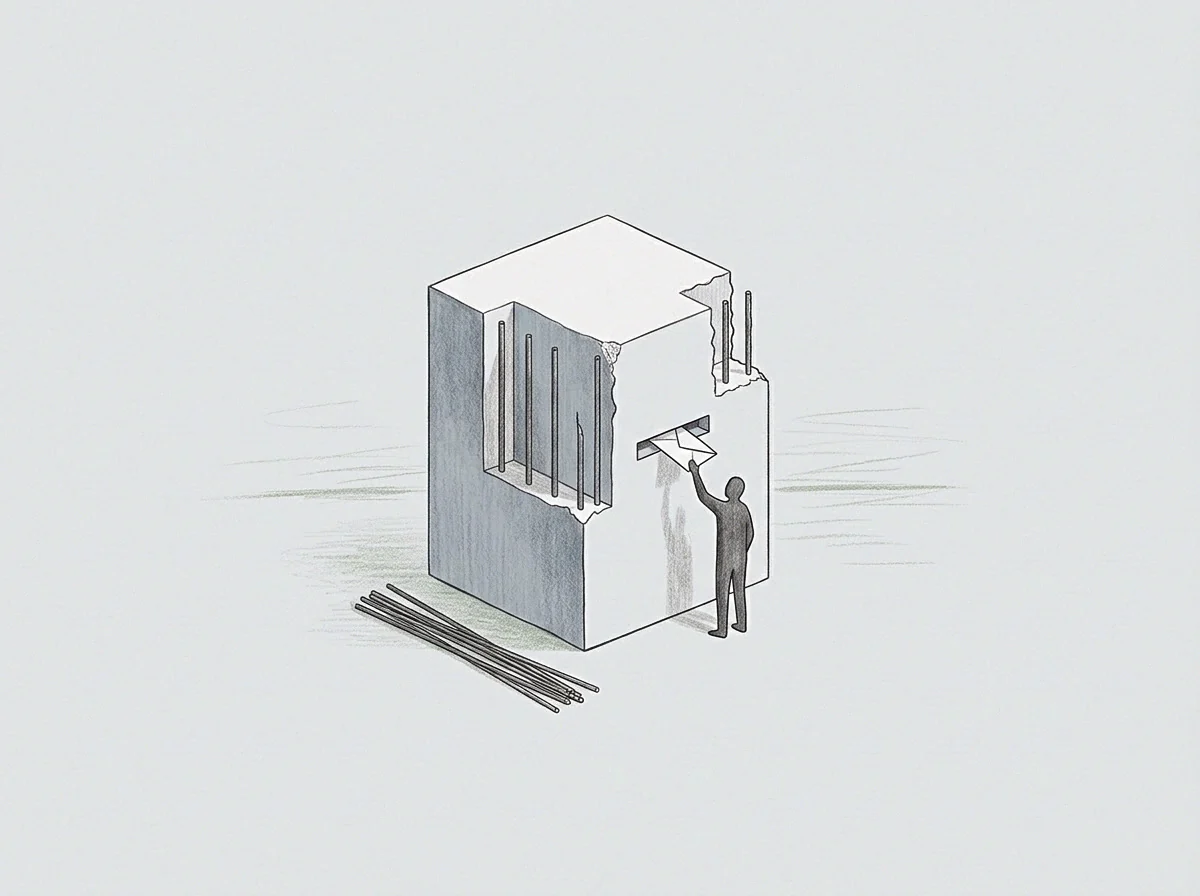
Separating Speed From Structural Capacity
When upstream escalation volume climbs, management typically leans on engineering leads to triage faster, assuming sharper focus can compress response times. Yet once incoming ticket counts double, triage queues back up non-linearly if underlying components depend on manual validation.
Technical debt functions as a physical property of the system, offloading structural friction onto human operators. If an older database schema forces engineers to hand-verify queries for every customer account adjustment, turnaround on account tickets is limited strictly by who is at their desk. A modernized component handles equivalent work deterministically in milliseconds.
Grouping both systems under one response SLA hides the real bottleneck.
Unchecked response expectations convert underlying architecture flaws into operational ceiling breaches when upstream volume triples.

The Mechanics of Asymmetric Escalation Depth
Escalation paths demand very different amounts of labor depending on which component receives the payload. Upstream teams route requests according to immediate business urgency, rarely aware of the underlying code debt inside the receiving system. An escalation from sales ops, for instance, might route straight to a service looked after by just two engineers, where every database migration still requires manual lock verification.
That asymmetry generates immediate friction. Upstream teams interpret slow replies as friction or poor communication, while receiving engineers see the incoming queue as an unmanaged disruption that burns through deep work blocks. Without clear structural buffers, unvetted volume consumes every open engineering hour until routine maintenance grinds to a halt.
Whether an organization can control queue depth without first renegotiating its escalation agreements remains an unresolved operational problem.
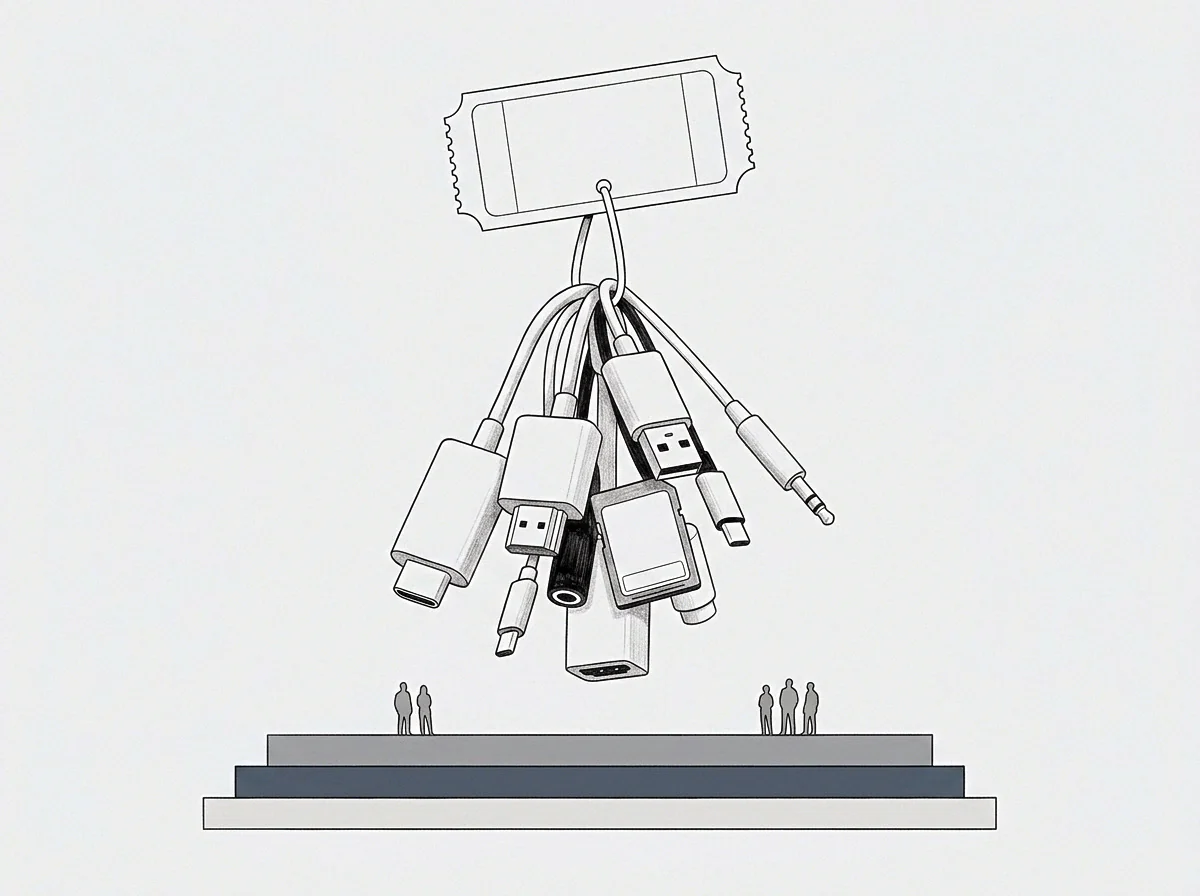
Decay
Technical drag slows engineering output through predictable mechanics. Consider an organization with three engineering teams running a shared platform. Component A contains legacy code written six years prior without automated test coverage.
Component B runs on modern serverless infrastructure backed by automated regression pipelines. Component C depends on a third-party vendor interface with erratic rate limits. When customer success teams route incoming escalations into a single shared queue, the difference between these environments becomes acute.
As escalation volume grows, Component A soaks up eighty percent of all troubleshooting hours while accounting for just twenty percent of incoming tickets. Every issue routed there requires an engineer to replicate environment states locally, dig through raw log files, and run database queries by hand. Tickets for Component B clear in four minutes via automated diagnostics.
Yet the platform-wide average response latency is reported as two hours, concealing the fact that Component A issues take three days to resolve.
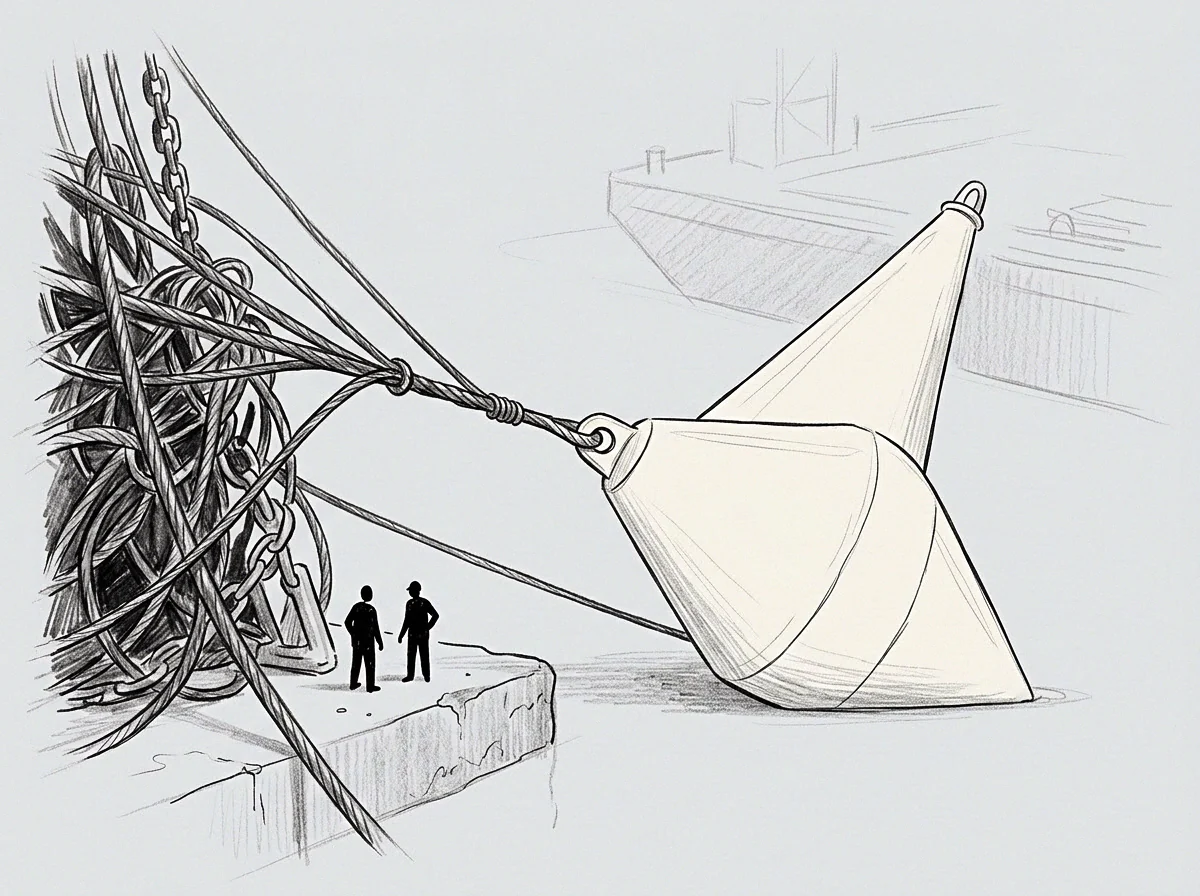
Component Drag Across Non-Uniform Architecture
Uneven technical debt acts as an operational amplifier during escalation surges. When legacy code relies on manual verification loops, each new ticket pulls disproportionately on engineering capacity. This architectural friction turns linear increases in ticket volume into non-linear spikes in resolution time.
An unstated SLA creates a covert contract that bills engineering capacity for architecture debt.
Context switching exhausts engineering capacity long before developers run out of hours in the day. Each interruption forces an engineer to stash active mental state, shift focus to the escalation, run manual diagnostics, and then try to recover their train of thought. Research into cognitive load during complex software engineering shows that resuming deep problem solving after an interruption requires twenty to thirty minutes of cognitive recalibration time.
Four uncalibrated escalations per day effectively wipe out any meaningful engineering focus.
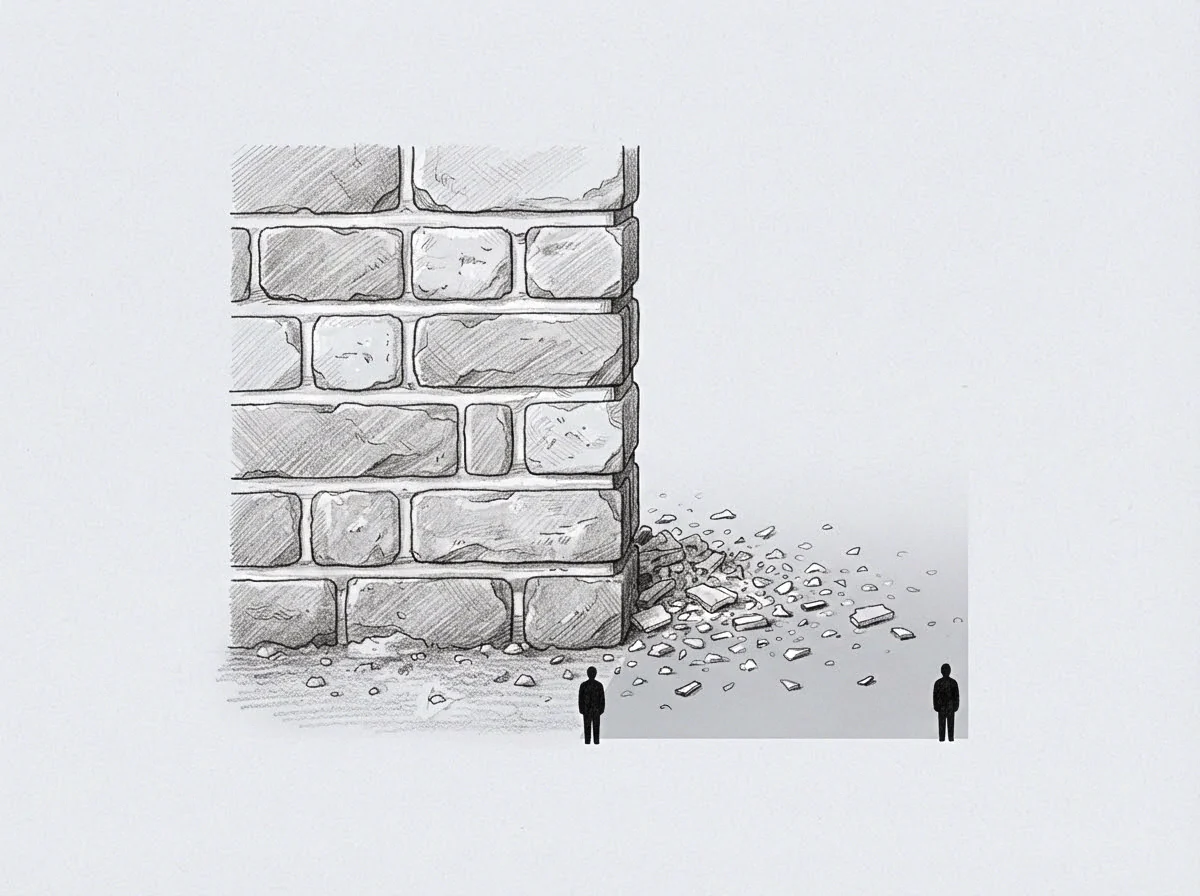
What occurs when incoming volume triples?
Volume surges expose every hidden dependency tucked into legacy services. Several distinct breakdown patterns emerge when asymmetric code debt collides with unthrottled intake:
- Operational throttling creates hidden backlog while frontline metrics report nominal execution times.
- Context switching drag degrades engineering capacity by sixty percent during active incidents.
- Unstated latency floors convert brief upstream spikes into prolonged service degradation.
- Manual intervention loops exhaust tier three bandwidth before automated remediation completes.
Relying on manual intervention loops gradually turns senior engineers into human routing layers. Rather than refactoring fragile services to eliminate recurring failures at the root, senior staff spend their workdays translating customer tickets into manual database patches. The codebase stays brittle, the queue expands, and response times keep climbing.
An intake queue left uncalibrated against technical debt will expand until human intervention becomes the primary runtime engine of the system.

Filter
Containing response latency during heavy volume spikes requires explicit boundary agreements. Relying on personal goodwill to absorb incoming load produces engineer burnout and compounds technical debt. An engineering team needs explicit terms governing intake criteria, response latency SLAs, and hard queue caps.
A stated intake limit functions as a hard constraint within the operational workflow. When an upstream group runs into a queue cap, the responsibility of deciding what matters shifts back to the requester. Facing strict limits, submitting teams escalate only their highest-value problems while managing lower-severity issues on their own.

Establishing Explicit Response Latency Terms
Response SLAs drafted without accounting for architectural debt inevitably fail. Any realistic service agreement has to separate deterministic services from debt-heavy legacy systems. Committing to a thirty-minute response target on an older component that requires manual environment replication forces engineers to drop refactoring work merely to satisfy an intake metric.
Upstream teams accelerate submission cadence whenever escalation consumes zero local team capacity.
Sound intake policies tie response times directly to the quality of the submission. Requiring submitters to supply structured reproduction steps, relevant system logs, and business impact assessments before a ticket reaches the triage queue filters out baseline noise. When intake demands upfront effort from the requester, upstream ticket volume drops immediately by thirty to forty percent.

State-Gated Throttling Against Upstream Pressure
System health should determine whether an intake channel accepts new tickets or activates automated throttling. Once active incidents pass predefined operational thresholds, intake queues shift into state-gated mode. Under these conditions, only critical issues pass through to engineering, while routine questions divert into an automated queue.
State-gated throttling protects engineering attention during severe load spikes. By enforcing rigid intake boundaries, the organization keeps upstream volume from consuming the engineering hours needed to resolve the root technical flaws.
Leaving escalation volume uncoupled from system debt exhausts engineering attention and stalls core product work.
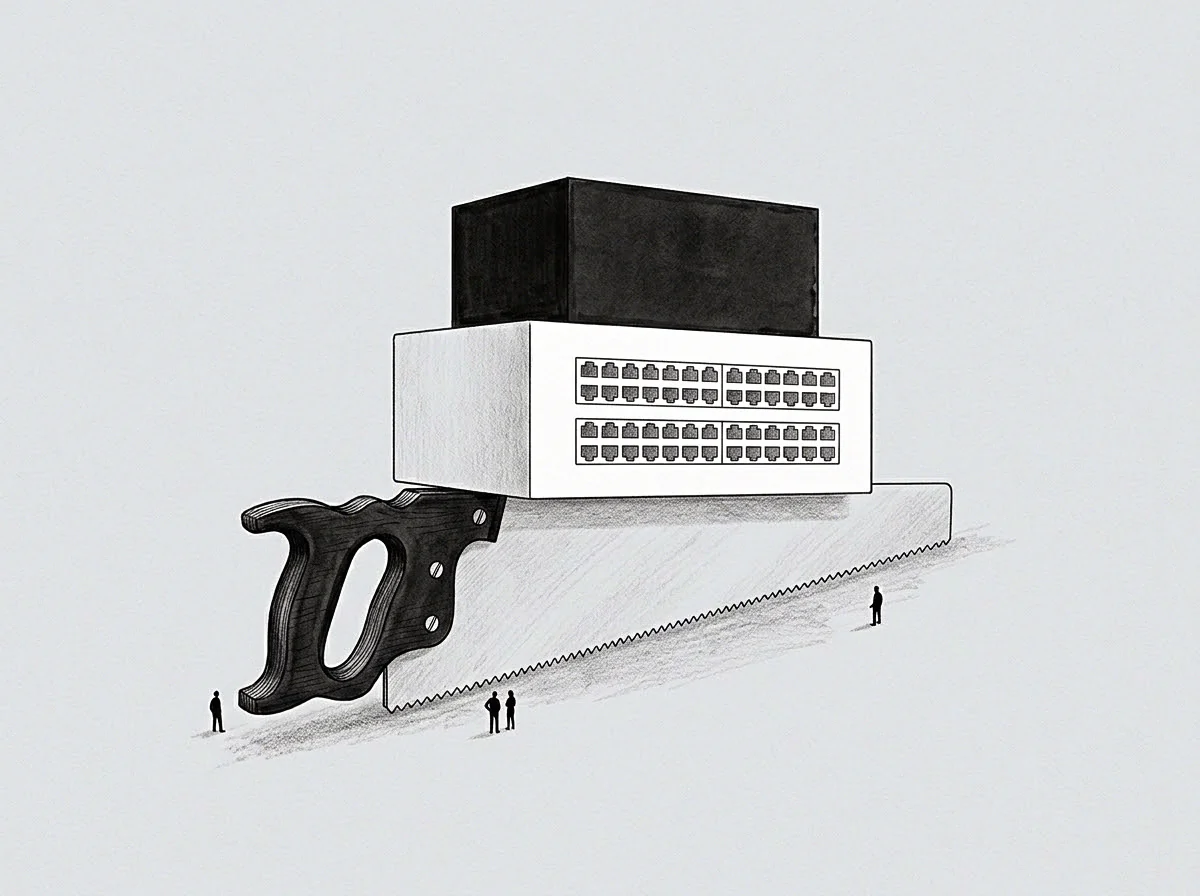
Matrix
Comparing triage architectures shows how different operational setups cope with uneven technical debt during volume spikes. The choice of triage structure determines where operational friction actually settles across the organization.
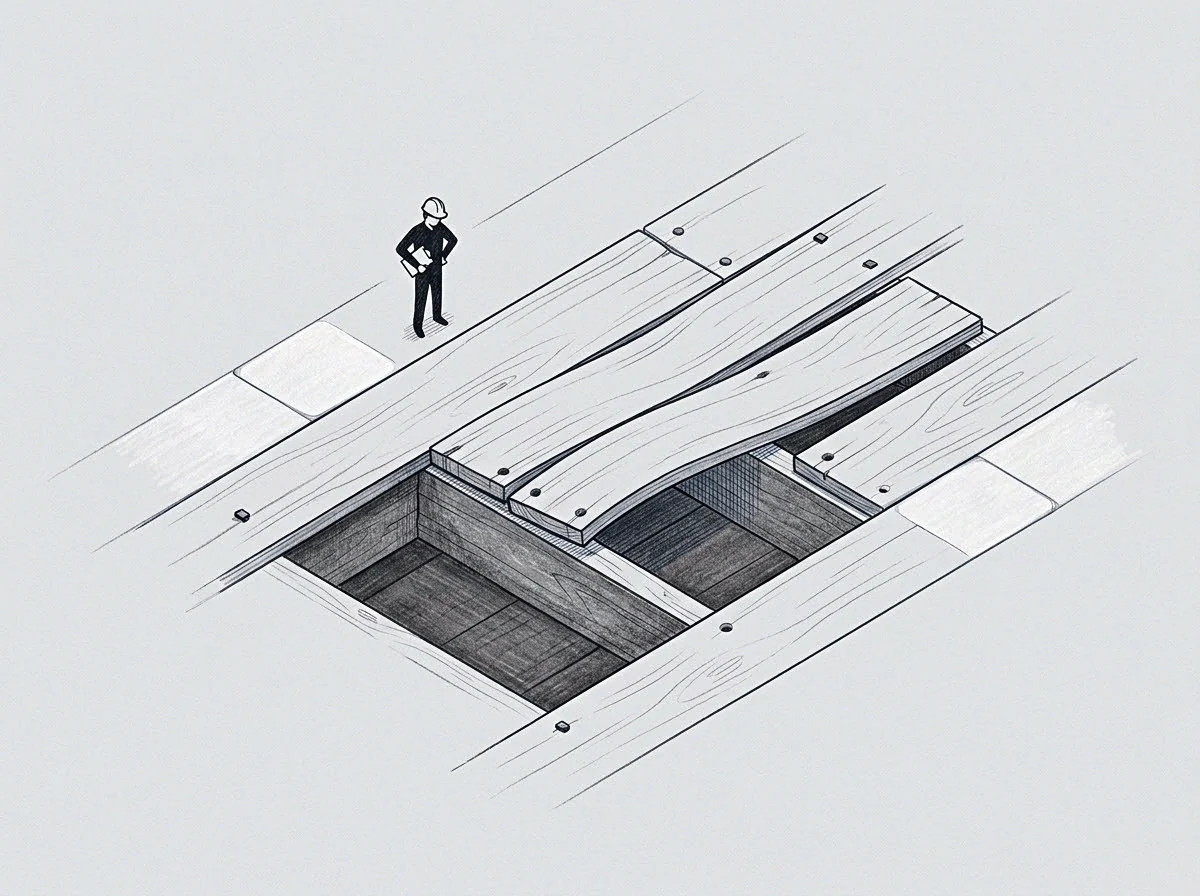
Structural Comparison of Triage Architectures
Triage models distribute operational and cognitive burdens across teams in markedly different ways. The matrix below outlines how standard triage structures perform and fail under sustained load.
| Triage Model | Latency Target | Architectural Load | Failure Mode |
|---|---|---|---|
| First-In-First-Out | Uniform fixed window | High manual verification drag | Senior engineering burnout and zero technical debt remediation |
| Severity-Gated Queue | Variable based on impact | Moderate triage overhead | Severity inflation by upstream submitters seeking fast response |
| State-Gated Throttling | Dynamic based on system health | Low manual verification drag | Upstream friction due to strict intake validation requirements |
| Data reflects operational trade-offs across platform engineering teams carrying non-uniform codebases. | |||
Running a First-In-First-Out model across uneven architecture leads to immediate operational breakdown. Legacy services absorb the entirety of engineering time, leaving modern components without maintenance. A Severity-Gated Queue, meanwhile, creates easily gamed boundaries where submitters mark standard inquiries as critical emergencies just to skip the line.
A system that absorbs all incoming load without backpressure converts its entire engineering staff into a shock absorber.
State-Gated Throttling aligns response latency with actual engineering bandwidth. By enforcing strict submission criteria and dynamic concurrency caps, it compels upstream groups to share the burden of prioritization. Systems protected by state-gated filters keep response times stable even during significant volume spikes.
The engineering team ceased answering direct escalations until formal tickets arrived with reproducible logs.

Drain
Fixing latency degradation permanently requires paying down uneven technical debt behind strict intake boundaries. Managing turnaround times requires engineering leadership to treat escalation queues as pressure valves rather than bottomless sinks for work.
Carving out dedicated engineering capacity for debt remediation is an essential operational requirement. When a team spends one hundred percent of its time fielding escalations, underlying debt becomes permanent. Reserving thirty percent of sprint capacity strictly for architectural refactoring steadily eliminates manual workarounds over time.
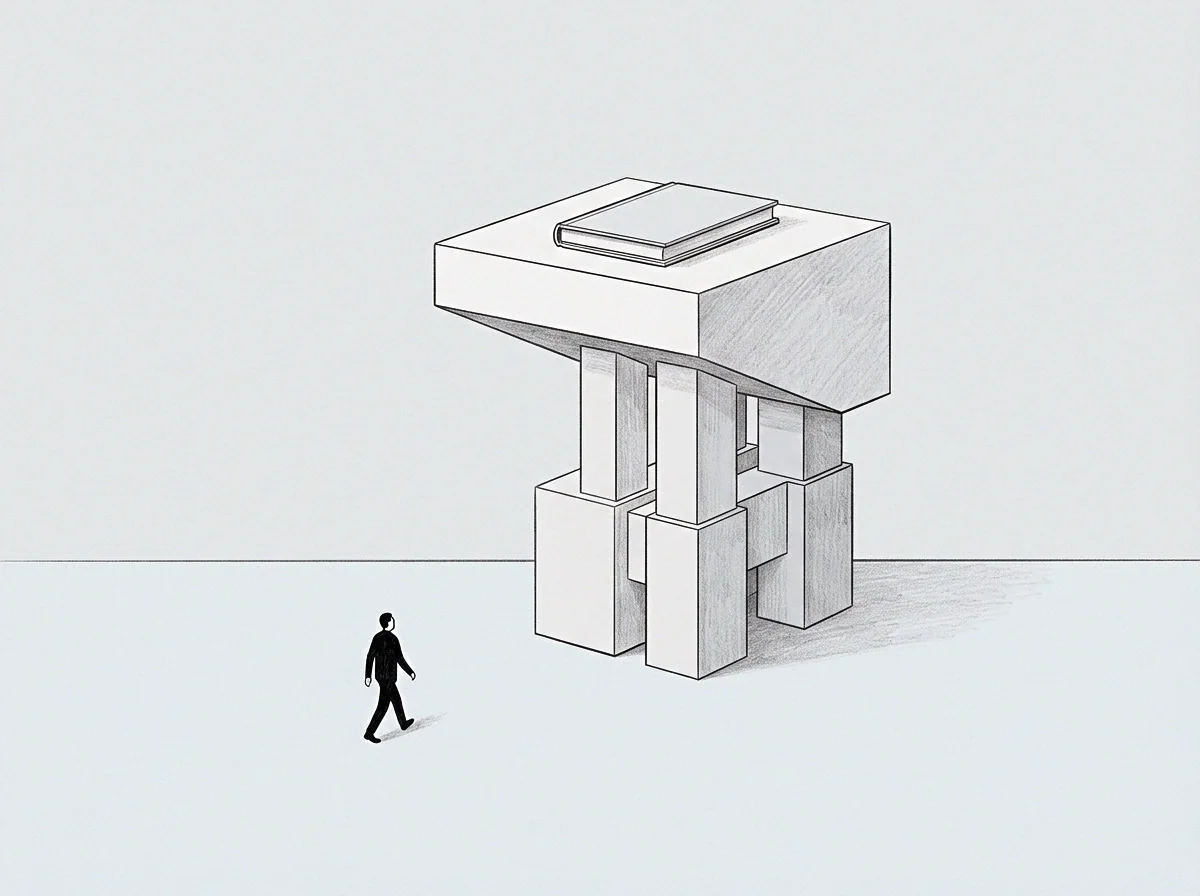
Calibrating Upstream Volume Limits
Submitting teams adjust quickly once hard limits are enforced. When escalation channels cap concurrent requests, requesters set up internal triage groups to evaluate issues before logging them. Shifting that screening upstream cuts out noise and protects engineering bandwidth for genuine high-priority work.

The Mechanics of Load Transfer
Load transfer moves operational drag away from receiving engineers and back to the source of the request. Putting explicit terms in place around reproduction details, business impact metrics, and expected response windows converts hidden labor into transparent organizational trade-offs.
When management observes that resolving debt in Component A cuts platform response latency from days to minutes, resourcing shifts naturally toward modernization. Explicit intake constraints provide the operational visibility needed to justify targeted engineering investments.
Enforcing a strict ten-ticket concurrency cap per upstream team reclaims engineering capacity by pushing triage work back to the teams requesting help.