Meaning
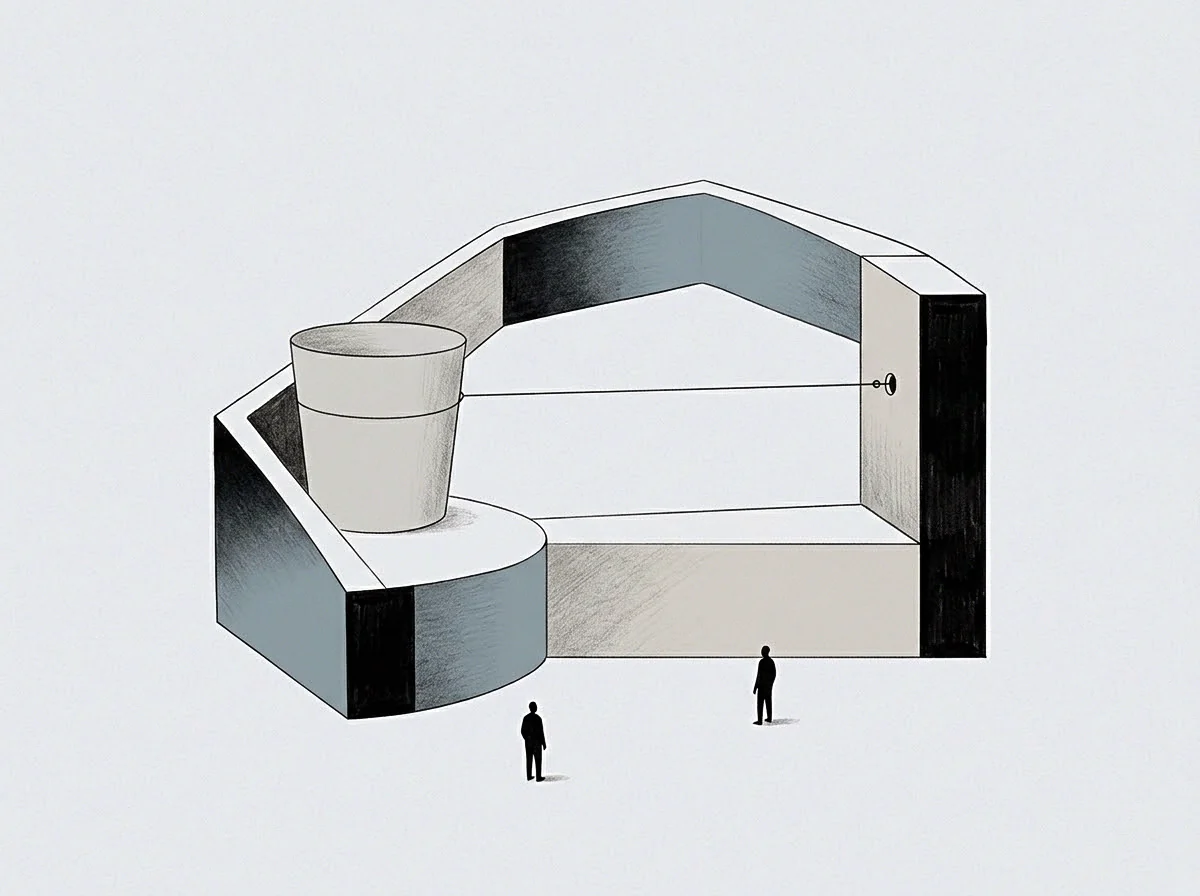
Organizational capacity allows a system to process external shocks internally without escalating them to external partners or regulators. This internal capacity, designated as autonomous absorption, determines how much operational disruption a young company can handle before its partners must intervene. It governs the buffer between an internal error and an external disclosure.
The boundary of this mechanism is defined by the absolute limits of internal financial and labor reserves.
Buffer Capacity
Processing disruption internally relies on having flexible resources that can be redeployed on short notice. High autonomous absorption exists when engineering or support teams have the spare hours required to remediate a sudden system failure. In contrast, a tightly optimized team with zero redundancy cannot handle these events without slipping on delivery commitments.
This lack of elasticity forces the issue to become visible to clients or board members.
Operational Consequence
Relying heavily on this internal buffering capacity can exhaust the team and deplete their discretionary energy. While autonomous absorption prevents early regulatory alerts, it leaves the workforce with minimal capacity to handle subsequent, unrelated shocks. If a second incident occurs before the team recovers, the organization experiences a disproportionate failure.
Leaders who misjudge this reserve often trigger sudden departures of key personnel who can no longer sustain the pace. The ongoing cost of keeping these buffers active must therefore be factored into long-term resource allocation.
Strategic Value
Securing this capability protects the long-term reputation of the enterprise during critical growth phases. By absorbing minor volatility silently, the company maintains the appearance of stability to the market. This practice preserves trust with institutional stakeholders who require predictable execution.