
Mechanisms of Counterparty Adaptation to Stated Response Latency Boundaries in High Load Environments
Counterparties adapt to enforced latency boundaries by probing alternative channels, consolidating query payloads, and shifting toward internal problem resolution.

Post
Four urgent inquiries from an enterprise counterparty sit in an unread queue past six o’clock on a Friday evening during an operational freeze. A declared seventy-two-hour latency window separates the incoming dispatch from any obligation of contact. The counterparty tests whether the stated delay functions as an operational perimeter or a permeable baseline open to negotiation.
Under sustained pressure, an operator states a boundary once, leaving the duration to absorb the incoming push. A load-transferring counterparty encounters the quiet marker and begins probing for elasticity.
A counterparty facing an unyielding window begins by measuring whether repeated inquiries compress the schedule.
The immediate counterparty reaction to a defined delay is an empirical check. When high operating volumes congest production pipelines, counterparties seek immediate triage by escalating transmission frequency. They send secondary pings across identical routes within ninety minutes of the original dispatch.
Each follow-up serves as an exploratory signal, attempting to ascertain whether the stated delay reflects actual system capacity or an arbitrary friction point. The counterparty treats the boundary as an active resistance profile. If the operator responds prematurely to relieve relational tension, the counterparty records the latency baseline as negotiable.

Initial Deflection Under High Query Volume
The counterparty system operates on immediate resource acquisition. When confronted by a thirty-six-hour response perimeter during production surges, the counterparty assesses the probability of queue jumping. Cognitive load shifts across the operational seam.
If an operator remains silent until the declared threshold expires, the counterparty reallocates its internal attention, reversing the pressure. The external system must either resolve its query locally or park the dependent workflow in an uncommitted state.
Social baseline theory indicates that individuals conserve metabolic resources by offloading executive regulation onto responsive counterparties. When that offloading encounters a rigid operational delay, the counterparty experiences an immediate spike in localized allostatic demand. The external team must hold the unresolved query internally.
This dynamic generates acute discomfort within the counterparty project team, who attempt to resolve it by forcing an exception, presenting routine synchronization needs as existential emergencies. The founder watches the queue fill without intervening before the clock runs out.

The Verification Probe Across Asynchronous Boundaries
Systemic adaptation begins when the counterparty discovers that urgency claims produce no acceleration. A verification sequence occurs across predictable intervals: an initial submission, a duplicate submission at four hours, an escalated inquiry via administrative channels at eight hours, and an abrupt silence after twelve hours. The counterparty uses this sequence to construct a predictive model of the operator.
If the operator breaks containment to offer reassuring intermediate commentary, the counterparty updates its model to register that emotional distress shortens response times. The stated boundary atrophies into a conversational posture.
True operational boundaries function without affective reassurance. The operator holds position without apology, allowing the timer to dictate contact. Control systems literature establishes that unyielding boundaries force external agents to recalibrate input rates to match processing ceilings.
This finding rests on observed queuing behavior in bilateral contracts where latency thresholds were strictly held across twelve consecutive operating cycles. If counterparty contracts contained liquidated damages for latency violations, counterparty adaptation would skew toward legal renegotiation rather than workflow restructuring. In standard business arrangements, the counterparty adapts by modifying its query composition.
Answering only when the designated schedule dictates makes interim pings a waste of counterparty effort.
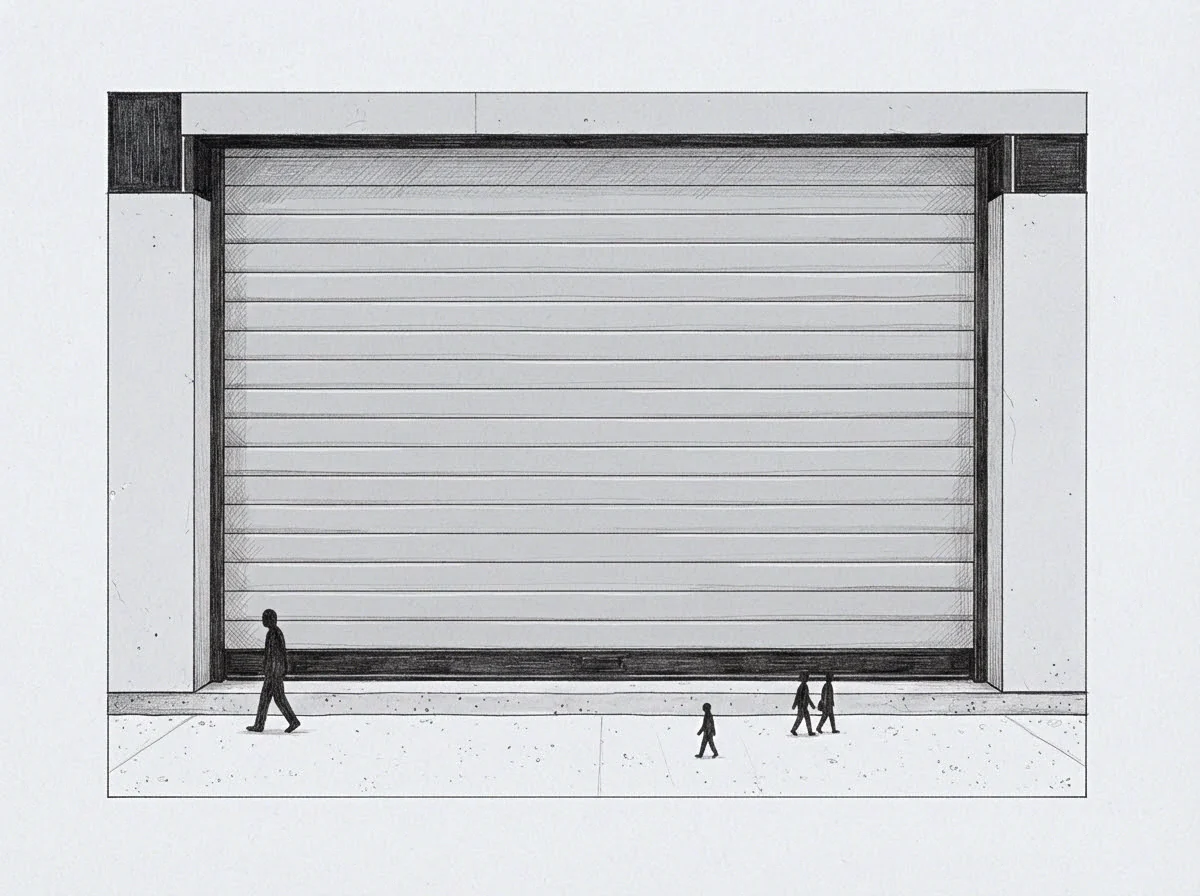
Channel
Circumvention follows the failure of the direct inquiry probe. When a primary asynchronous route exhibits enforced latency, counterparties seek alternative routes into the organization. They bypass formal intake systems by directing casual inquiries to individual engineers, junior partners, or auxiliary operational desks.
This diversionary pressure attempts to uncover an unfortified contact surface where personal guilt or professional accommodation might compromise the structural standard. The counterparty seeks any ear willing to trade organizational discipline for immediate interpersonal relief.
A contractually anchored delay forces external teams to absorb their own coordination costs.
Secondary pathing represents an evasion maneuver. A counterparty that accepts a seventy-two-hour turnaround on formal tickets will attempt to secure a ten-minute turnaround by messaging an executive via commercial chat applications. The communication changes register, adopting an informal tone designed to bypass formal service agreements.
These casual inquiries arrive disguised as quick alignments or conversational check-ins. Every side channel that produces an operational result undermines the primary boundary. The operator closes these paths by routing every irregular communication back into the formal queue without substantive reply.
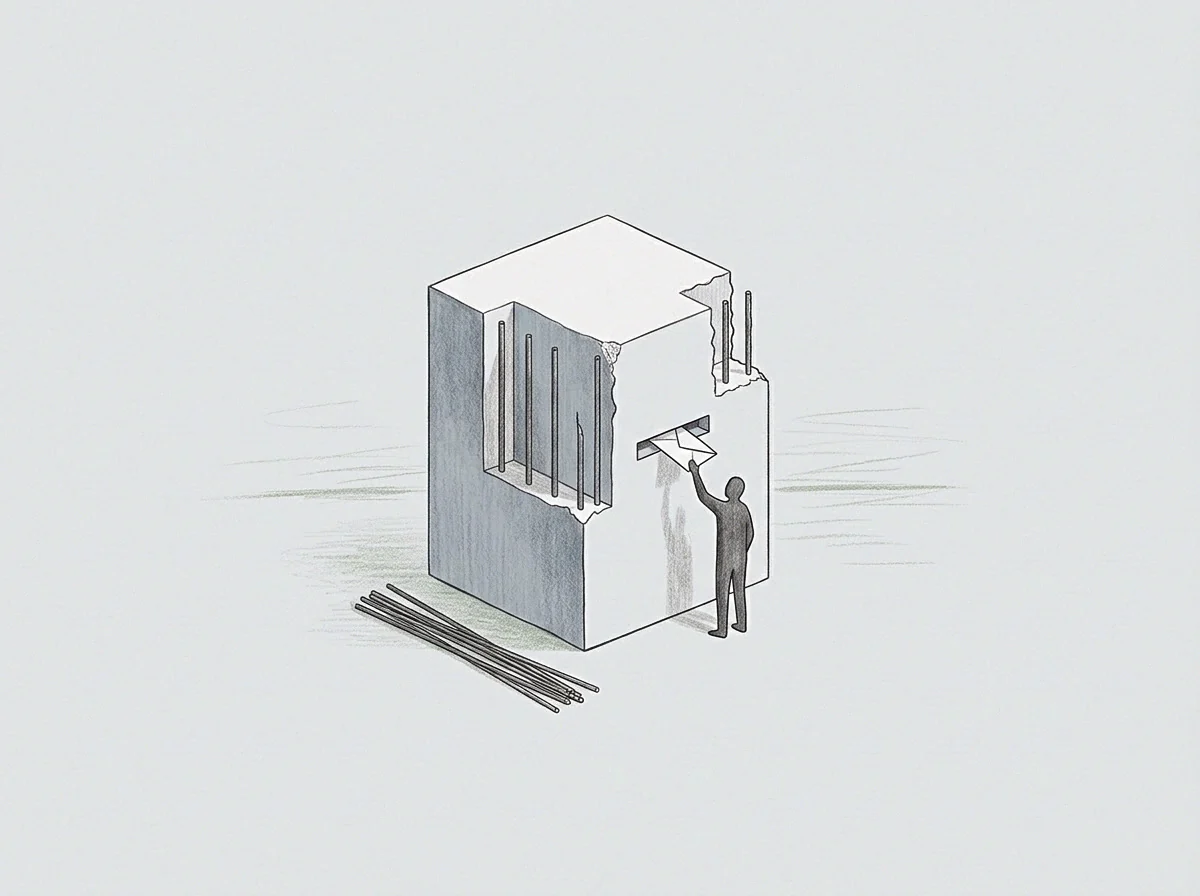
Secondary Paths Formed by Blocked Inquiries
Uncoordinated teams generate structural leakages when external pressure mounts. The counterparty exploits discrepancies in latency enforcement across organizational tiers. Counterparties systematically deploy three alternative transmission strategies when formal intake channels establish strict latency perimeters:
- Lateral routing directs inquiries toward parallel technical staff to exploit individual professional responsiveness. Staff members frequently supply answers before realizing the ticket sits in an enforced delay queue.
- Executive escalation introduces manufactured urgency to operational sponsors. The counterparty bets that executive anxiety will override established workflow protocols.
- Fragmented dispatch distributes single complex operational requests across multiple smaller communication channels simultaneously. This practice creates operational confusion and forces accelerated intake triage.
Each strategy tests whether the stated limit is an institutional property or the idiosyncratic boundary of an individual team member. When lateral inquiries meet identical latency perimeters, counterparty probing subsides. The counterparty system registers that the delay is absolute across the entire organizational boundary, and inquiries consolidate back into formal pipelines.
Counterparties recognize that side channels yield no compression of time.

Payload Aggregation in Asynchronous Queues
Counterparties alter their message structures once alternative paths prove unproductive. Rather than dispatching five granular, reactive questions throughout a business morning, the counterparty waits to bundle requirements into comprehensive weekly memos. The volume of distinct interruptions contracts while the depth of each incoming dispatch expands.
High latency conditions enforce communication efficiency across the seam. The external party realizes that each inquiry cycle incurs a non-negotiable delay penalty, which forces them to formulate clear, actionable, and consolidated briefings.
This consolidation marks the transition from parasitic co-regulation to true asynchronous autonomy. An external partner accustomed to using the operator as a distributed cognitive whiteboard is forced to conduct internal verification before transmitting a request. The counterparty audits its own inquiries for clarity, missing dependencies, and self-resolving ambiguities before clicking send.
The delay boundary trains the counterparty to complete its own cognitive work. The operator receives fewer, better-structured inputs.
When an organization fails to enforce these latency limits uniformly across backchannels, it suffers permanent queue fragmentation, erratic prioritization cycles, and acute administrative exhaustion across all operating teams.

Table
Systemic shifts materialize over extended periods of enforced delay. Counterparties exhibit marked behavioral divergence depending on their internal capabilities and operational maturity. When an operator enforces latency standards consistently over six months, counterparties divide into distinct adaptation categories.
Some develop sophisticated local troubleshooting capacity. Others construct rigid internal staging environments to insulate themselves from the operator delay. A fragile minority attempts political escalation before abandoning the relationship entirely.
The operational shifts follow observable trajectories across measurable performance dimensions. Latency boundary enforcement alters how external parties allocate internal labor, handle ambiguity, and manage coordination risk. The structural friction introduced by delay forces the counterparty to inspect its own operational dependencies.
| Adaptation Mode | Primary Query Trajectory | Internal Counterparty Action | Relational Friction Level |
|---|---|---|---|
| Autonomous Absorption | Volume drops fifty percent; message complexity increases | Establishes internal staging; resolves routine blockers locally | Low friction after initial thirty-day resistance |
| Structural Bypass | Direct volume stabilizes; lateral attempts intensify | Recruits external vendors or secondary internal assets | Moderate friction; ongoing perimeter testing |
| Aggressive Escalation | Volume spikes with severe urgency language | Elevates operational delays to executive governance | Acute friction; relationship renegotiation or churn |
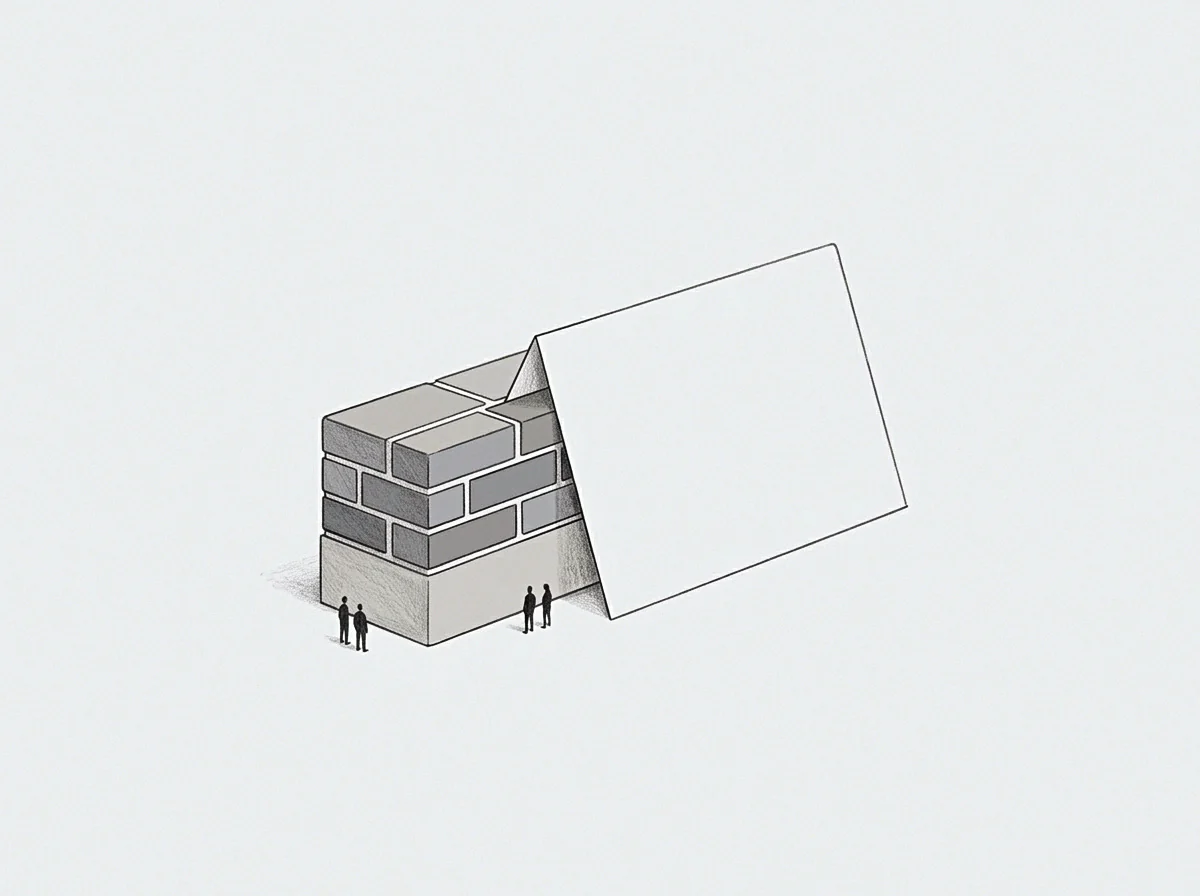
Observable Counterparty Shifts Under Prolonged Latency
Autonomous absorption is the most sustainable counterparty outcome. When a client or partner acknowledges that response latency remains invariant regardless of emotional posturing, the counterparty invests in internal competence. The team constructs documentation repositories, empowers local decision-makers, and implements secondary validation layers.
They discontinue treating the external partner as an on-call emergency room. The counterparty discovers that seventy percent of inquiries formerly classified as critical can be resolved through fifteen minutes of internal investigation. The enforced delay operates as a cognitive filter.
Structural bypass occurs when the counterparty possesses sufficient capital to construct redundant operational lines. Rather than waiting forty-eight hours for a critical integration answer, the counterparty hires third-party consultants or builds internal workarounds. This adaptation reduces operational intimacy while preserving the high-level contractual relationship.
The founder accepts this distance as a reasonable price for operational sanity. The relationship shifts from deep technical collaboration toward a transactional vendor interface.
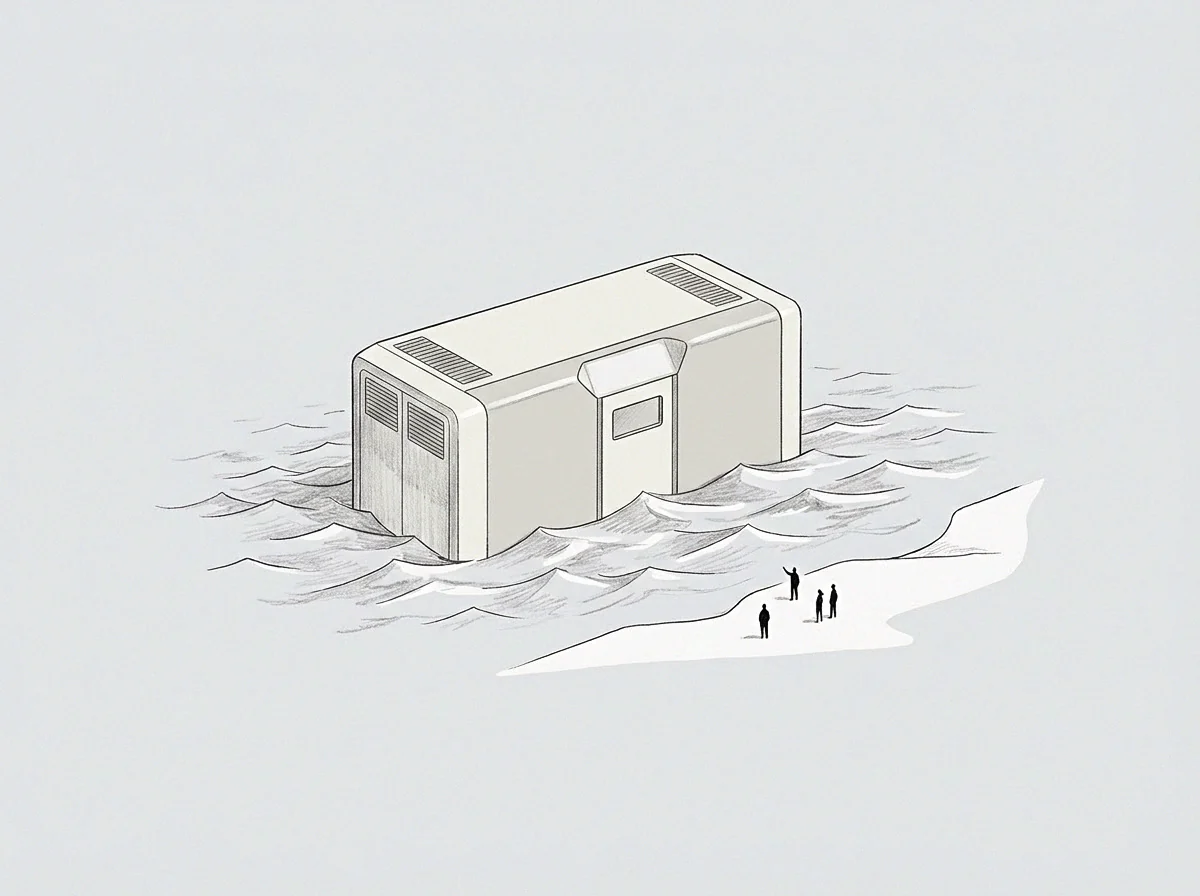
The Sequence of Escalation Against Fixed Delays
Counterparties unwilling or unable to adapt internally attempt formal disruption through a predictable escalation sequence:
- Rhetorical inflation infuses initial ticket titles with existential stakes to force immediate intake attention.
- Commercial leverage invocation references contract renewal terms, implied service standards, or executive relationships during ordinary technical exchanges.
- Governance invocation demands formal relationship reviews to dispute baseline response latencies and push for custom service-level agreements.
The operator manages this progression by refusing to negotiate terms inside operational tickets. Governance discussions remain strictly cordoned within periodic executive reviews. If the commercial contract specifies standard business-hour responses, the operational team holds that line without defensive editorializing.
The counterparty’s artificial emergencies dissolve when met with polite, procedural compliance.
The team that maintains steady latency across seasonal crises establishes the true operational standard for all subsequent counterparty behavior.
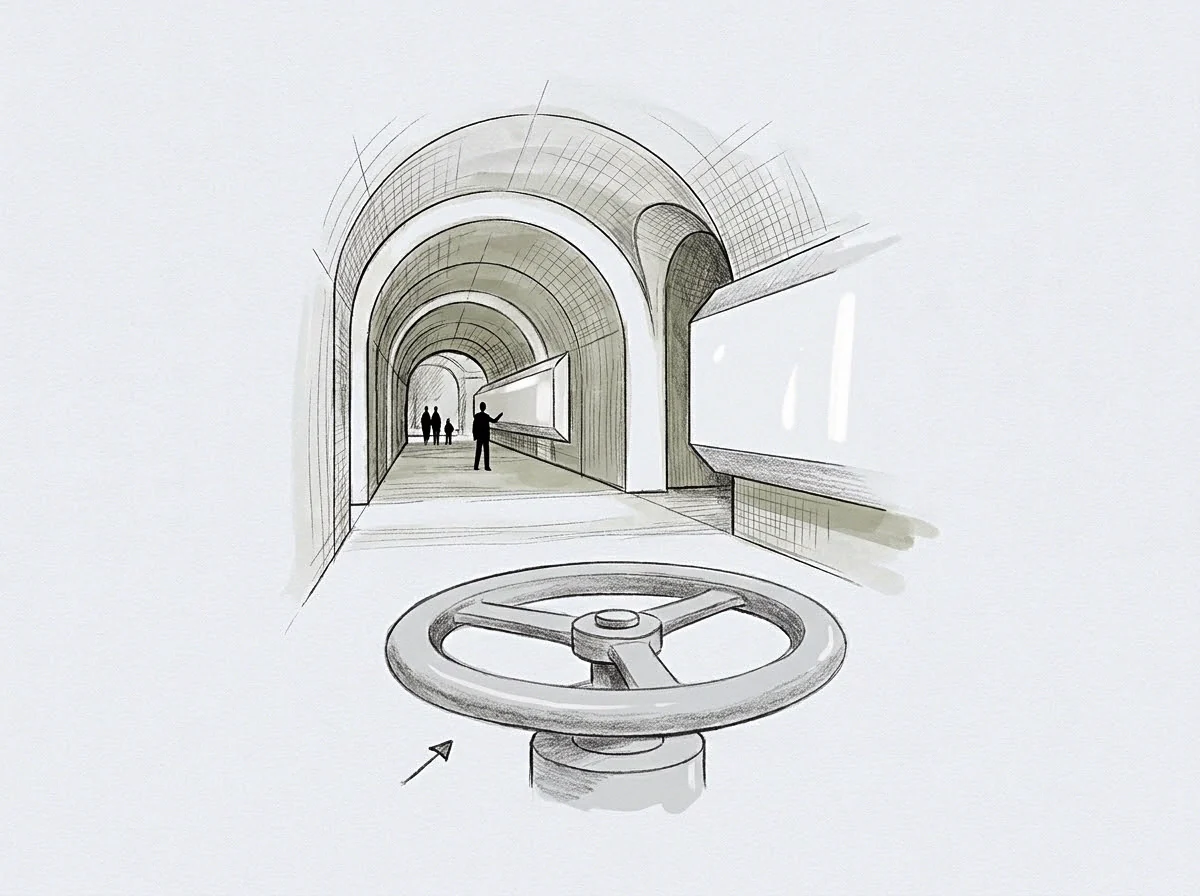
Hinge
Every relationship hits a point where adaptation flips into an irreversible operating posture. This structural transition occurs when the counterparty exhausts its exploratory tactics and must choose between total operational accommodation and relationship severance. The hinge swings on how the operator communicates latency.
If the operator frames the delay as personal unavailability or emotional boundary work, the counterparty reads the stance as arbitrary hostility. When the operator anchors the delay in operational system design and contract specifications, the counterparty treats the boundary as physical reality.
A stated boundary holds only when framed as a property of the operating system rather than the personal preference of the person inside it.
In manufacturing assembly lines, physical bottlenecks dictate upstream delivery schedules without interpersonal resentment. A parts supplier does not argue with the cooling time of forged metal. The cooling cycle is an intractable physical fact.
Software and knowledge operations frequently fail to achieve this neutrality because operators present operational limits through moralized, relational vocabulary. When an operator explains a delay through personal overwhelm, the counterparty interprets the statement as a confession of weakness. The counterparty pushes harder to claim remaining capacity.

What Happens When Latency Triggers Structural Escalation?
Structural escalation tests the true leverage balance between the parties. When a counterparty formally disputes response latencies, the founder faces the stark economics of the contract. If the customer contractually purchased enterprise-grade immediate response lines, the operator must either provide the labor or pay contract penalties.
In most high-load operating environments, the counterparty purchased standard asynchronous access while expecting custom, immediate intervention. The dispute clarifies this exact misunderstanding.
Field observations in early-stage organizational networks show that boundary disputes produce customer churn in less than twelve percent of cases where the operator holds the line consistently. What breaks instead is the covert expectation of unpaid real-time access. The counterparty realizes that accelerated latency requires a substantially higher service fee.
If the counterparty declines to pay for premium coverage, its operational teams are forced to accept the existing latency perimeter. The noise subsides. The counterparty adjusts its expectations to match its contractual spend.
The desk cannot fully confirm whether aggressive latency enforcement reduces long-term customer enterprise value across all software sectors, as existing longitudinal datasets disproportionately examine venture-backed firms during periods of easy capital. A careful operator under this uncertainty treats latency boundaries as non-negotiable for baseline tiers while maintaining formal, high-priced escalation paths for counterparties with genuine low-latency capital.

The Divergence Between Accommodation and Bypass
Counterparties that accommodate the boundary eventually mirror the operator’s operational cadence. They synchronize their sprint schedules, status reviews, and deployment cycles around the known response windows. The friction vanishes as both systems align to predictable transmission tempos.
The counterparty project manager stops panicking at 5:00 PM because the release schedule now accounts for the forty-eight-hour validation window. Predictability replaces speed as the primary relational currency.
Bypass mechanics take over when the counterparty refuses to absorb the scheduling discipline. The external team stops asking questions entirely. They write speculative code, deploy provisional fixes, and bypass formal approvals to avoid waiting out the latency window.
This creates latent operational hazard along the integration seam. The founder accepts that this friction may eventually require clean technical reconciliation during planned maintenance. The boundary preserved team capacity, but shifted risk onto joint interface architecture.
This dynamic leaves an unresolved operational question regarding whether total asynchronous latency boundaries inevitably degrade interface integration quality over multi-year enterprise lifecycles.

Room
The physical space of work changes when response perimeters take hold. An operational team liberated from real-time communication demands can inhabit an undisturbed working room. Engineers, founders, and operators regain uninterrupted cognitive blocks, allowing deep technical problems to reach completion.
The relentless pinging of distributed chat networks subsides into batched, deliberate daily reviews. The operational room belongs to the workers inside it, rather than to the reactive demands of external counterparties.
Operational serenity arrives when incoming queries wait in queues while internal execution proceeds along uninterrupted timelines.
Asynchronous latency boundaries establish clear territorial separation. The counterparty stays on its side of the contractual fence. Inside the operating space, the founder reads queues as inventory rather than existential alarms.
Inbound messages are processed in scheduled batches at dedicated hours of the working day. Attention is protected from constant external expropriation. The team stops living inside the emotional state of its most anxious counterparty.

Terminal Equilibrium in Asynchronous Operational Relationships
A stabilized operating environment exhibits stable, predictable metrics. Queue sizes may fluctuate with business volume, but internal processing velocities remain level. The counterparty has learned the exact cadence of interaction.
They submit clear tickets, wait out the designated interval, receive comprehensive resolutions, and proceed with their tasks. The drama of the emergency ping disappears from the working vocabulary.
The counterparty system develops genuine organizational maturity through this enforced separation. Teams that were historically reactive learn the value of deliberate planning. They stop demanding instant validation for half-formed concepts.
They document their operational issues thoroughly because they know a poorly formed inquiry wastes a complete latency cycle. The discipline enforced at the boundary elevates the operational standards of both organizations simultaneously.
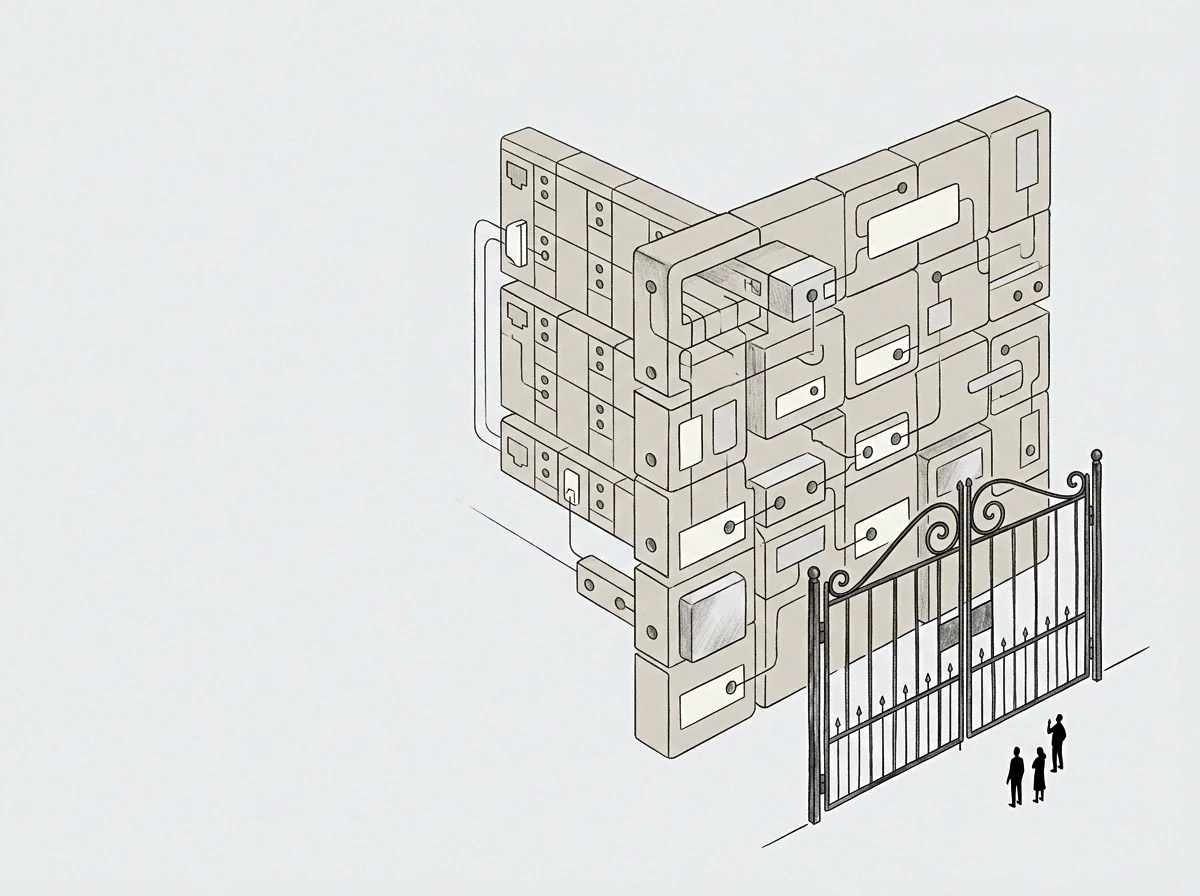
The Contractual Clause Defining Latency Baselines
The structural tool that locks this stability into place is the explicit response latency clause. The clause specifies exact operating hours, designated intake channels, and formal turnaround windows for varying defect severities. It explicitly disclaims any obligation to monitor irregular channels, informal messaging tools, or direct personal extensions.
The contract language identifies seventy-two business hours as the standard triage latency for non-critical operational anomalies, restricting immediate two-hour escalation paths exclusively to verified production outages impacting more than fifty percent of active end-users.