Meaning
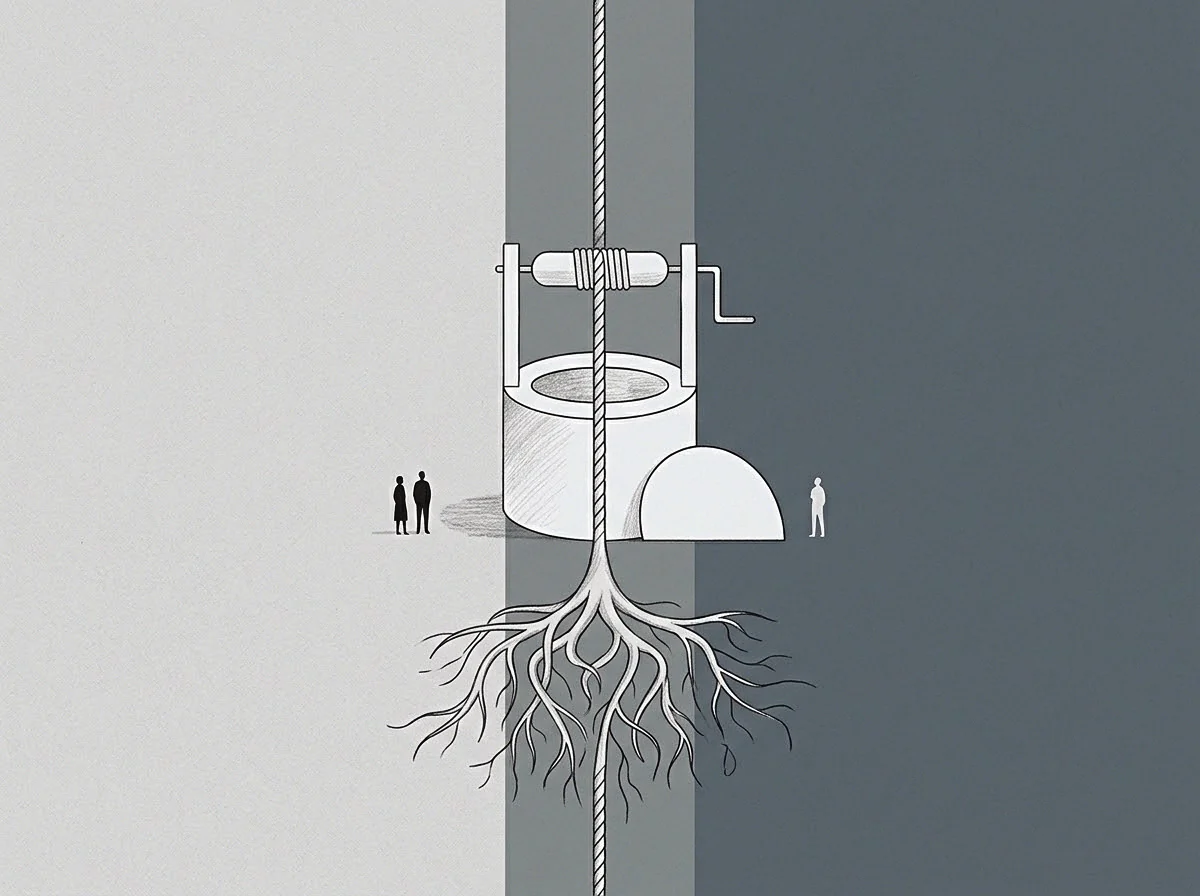
Rules for person-to-person access define the window where an individual is reachable for synchronous communication. Establishing availability boundaries prevents the erosion of focus by designating specific hours for external interaction. These rules govern the interface between a founder and their team or outside stakeholders.
The limit holds until an emergency override protocol, defined by severity, excluding cases of simple preference, is triggered.
Relational Buffer
Scheduled isolation allows for deep technical work. When availability boundaries are clear, the team knows exactly when a response is guaranteed. This predictability reduces the anxiety of waiting.
Spontaneous requests are held in a queue for the next open window.
Cognitive Reserve
Protecting attention requires a hard stop on incoming pings. The person pays for constant access in fragments of lost concentration and reduced depth. Every interruption costs approximately twenty minutes of recovery time for complex tasks.
Restricting access preserves the ability to solve non-trivial problems.
System Stability
Fixed windows prevent the culture of immediate gratification from breaking the development cycle. Once the boundary is crossed by a non-critical event, the signal to noise ratio drops. Maintaining the wall ensures that only high-value information enters the private workspace.
Consistent application of the rule builds organizational discipline.