
Decoupling Immediate Availability Demands Stabilizes Autonomic Baseline In Rapid Product Iteration
Decoupling immediate availability demands reduces sympathetic arousal, restores vagal tone, and stabilizes autonomic baselines during rapid product iteration.

Ledge
Four communication threads remain open at midnight during a release sprint. With each chime, heart rate, muscle tension, and vigilance tick upward. Sitting in front of the screen, an operator responds within seconds so work keeps moving, but that speed sets an unwritten baseline across the engineering group.
The nervous system settles into sustained sympathetic tone rather than returning to rest.
During rapid build cycles, micro-decisions drift toward whoever answers quickest, turning the fastest responder into an informal clearinghouse for everyday friction. Over several weeks, that temporary sprint posture hardens into chronic arousal. Sleep latency lengthens, heart rate variability narrows, and baseline systemic inflammation markers rise while the nervous system stays braced for interruptions that never entirely stop.
A phone buzzing at midnight transforms a resting baseline into an alert state before the screen lights up.
The Constant Priority Signal
Continuous pinging flattens internal priorities. A broken production database triggers the exact same audio alert as a minor copy edit, and the nervous system treats both interruptions as immediate operational threats. Without differentiation between minor fixes and real emergencies, parasympathetic recovery pathways simply do not engage.
The physiological toll of constant availability accumulates quietly as circulating cortisol stays high. Under sustained sympathetic readiness, an engineer loses the focus required for deep architectural synthesis. Short-term patches take precedence over foundational code because the nervous system seeks immediate relief, narrowing attention and compromising how the team evaluates complex trade-offs.

Sympathetic Activation Under Unbounded Demands
High-velocity teams frequently conflate execution speed with immediate responsiveness. Real-time messaging channels turn every internal question into an urgent demand, and repeated context switching registers biologically as persistent instability. Off-hours, this load appears as sustained vascular resistance and suppressed vagal nerve activity.
Unchecked availability creates a compounding operational tax. Team members who remain constantly reachable develop progressive cognitive fatigue, producing higher release defect rates and strategic misalignment until engineering output stalls entirely.

Tether
Autonomic regulation depends on precise physiological feedback. When an unexpected signal demands action, sympathetic circuits mobilize metabolic resources: heart rate climbs, pupils dilate, and blood shifts toward skeletal muscle and threat-processing circuits. While that response evolved to clear quickly through physical exertion, modern development sprints substitute Slack notifications, pull request pings, and automated server alerts.
The nervous system does not distinguish between a physical threat and an uninterrupted queue of urgent tickets. Keeping an open channel to the team holds the stress response open with it. Over months, this sustained activation builds allostatic load, the physiological wear caused by repeated neuroendocrine surges, pulling the baseline away from healthy variability into fixed sympathetic dominance.
Allostatic Load In Iterative Cycles
Without recovery windows, allostatic load degrades physiological stability. The autonomic baseline drops its natural rhythm, marked by high heart rate variability and swift vagal recovery after stress, and locks into a rigid state. For the person in the seat, that transition shows up as persistent hyper-reactivity, mental fog, and fractured sleep architecture.
- Sympathetic Overdrive occurs when constant incoming notifications prevent parasympathetic circuits from initiating recovery protocols outside working hours.
- Cognitive Fragmentation develops when context switches happen more frequently than every twenty minutes, draining the executive function required for structural engineering work.
- Allostatic Downregulation blunts sensitivity to restorative signals, keeping stress pathways engaged through scheduled downtime.
- Co-regulatory Breakdown spreads through a product team when elevated autonomic arousal in leadership drives reactive decision-making down the reporting line.
Continuous physiological arousal elevates plasma cortisol setpoints whenever task switches recur under fifteen minutes.
The Physiological Cost Of Continuous Interruption
Iteration speed depends directly on sustained attention and analytical problem-solving. Constant interruption degrades both. The prefrontal cortex requires balanced autonomic inputs to maintain working memory and sound executive function; when sympathetic arousal stays high, prefrontal engagement drops while amygdala reactivity rises.
That neurobiological shift directly warps product decisions. Under chronic sympathetic tension, leaders default to short-term risk avoidance or impulsive feature additions instead of calculated strategic bets. Teams often misread this operational exhaustion as a lack of product-market fit, cycling through endless revisions when the primary constraint is cognitive depletion in the product seat.
Stakeholders learn to expect a response within five minutes whenever earlier replies consistently arrived within three.
Silence
Decoupling workflows from immediate availability requires explicit communication terms and deliberate operational latency. Inserting predictable pauses between requests and responses creates a physiological buffer, giving the parasympathetic nervous system room to re-engage and bring down baseline heart rate.
Adopting asynchronous protocols fundamentally alters how an engineering group shares information. Rather than trading open-ended messages throughout the day, engineers consolidate questions into thorough, self-contained documentation, lowering total communication volume while raising channel clarity.

How Does Asynchronous Batching Reset Sympathetic Tone?
Batching limits message processing to designated windows. Instead of handling notifications as they arrive, the operator works through queues twice or thrice daily, interrupting the anticipatory loop that keeps sympathetic circuits engaged.
Between those windows, real-time alerts remain disabled. In the absence of unpredictable stimuli, vagal tone rises, lowering heart rate, moderating blood pressure, and reducing markers of systemic inflammation to rebuild capacity for sustained intellectual work.
| Evaluation Metric | Synchronous Availability Model | Decoupled Asynchronous Model |
|---|---|---|
| Autonomic Baseline State | Sympathetic dominance, reduced heart rate variability | Parasympathetic recovery, high vagal tone |
| Mean Context Switch Frequency | 8 to 12 switches per hour | 1 to 2 batch processing blocks per day |
| Executive Function Capacity | Depleted by afternoon, reactive choices | Sustained throughout workday, strategic focus |
| Documentation Depth | Fragmented, ephemeral messaging logs | Comprehensive, structured repository notes |
| Defect Rate In Releases | Elevated due to cognitive fatigue | Reduced through thorough review cycles |
| Data gathered across sprint execution cycles in early-stage engineering environments. | ||
When an engineering group moves from live chat to decoupled batching, technical specifications improve. Contributors think through edge cases before circulating proposals, cutting down the revision rounds required to ship stable code.
A stated four hour response window restores parasympathetic tone without delaying critical product deployment.
An explicit latency rule eliminates the guesswork that keeps engineering teams in perpetual hyper-vigilance.
Seat
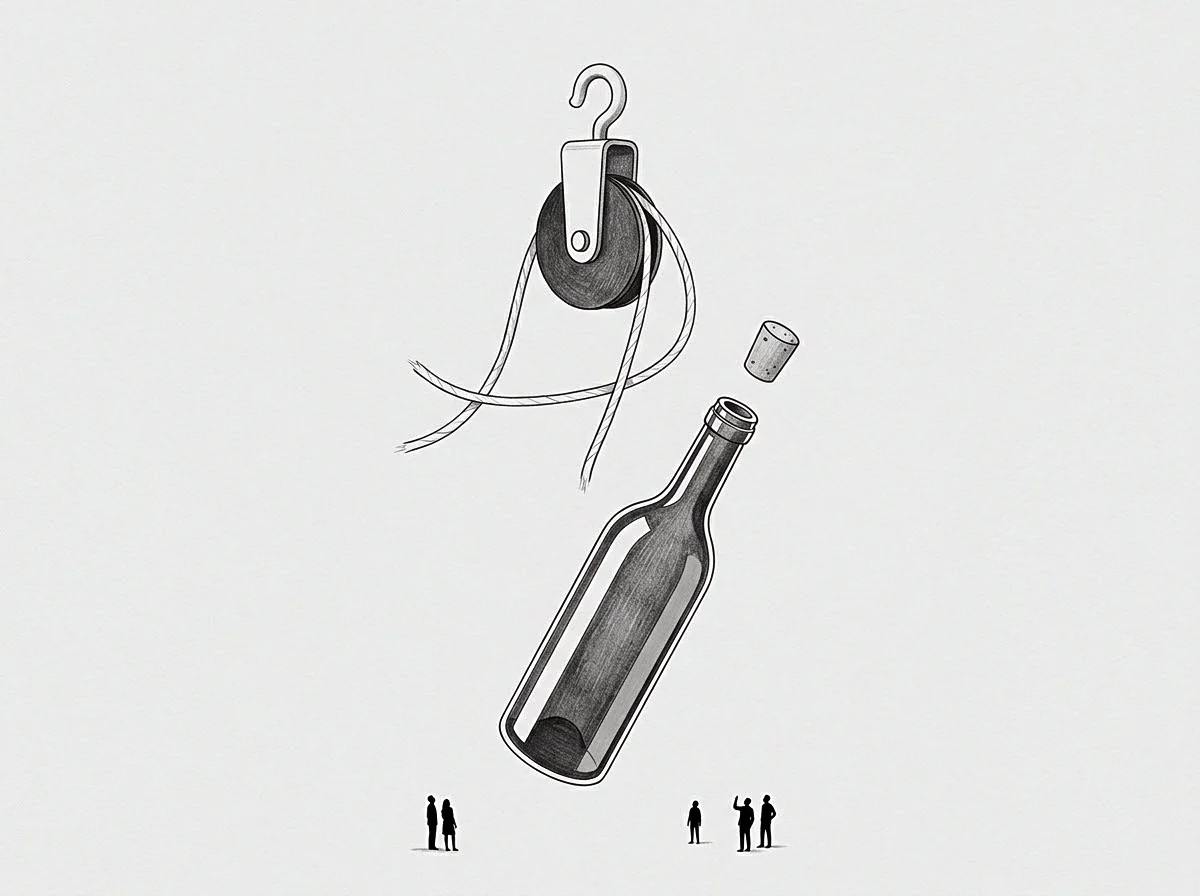
Leadership carries physiological influence. The person in the founder or lead product seat establishes the autonomic tone of the entire organization; if that operator stays perpetually online, the group mirrors the habit to prove alignment. When leadership instead sets explicit boundaries around working hours, the engineering floor gains operational room to protect its own cognitive baseline.
Operating effectively from that seat requires establishing unambiguous terms for internal channels. A term acts as a defined threshold between routine coordination and real emergencies. In its absence, every ping defaults to maximum urgency, draining the team’s physiological reserves.
Positioning The Wall Against External Push
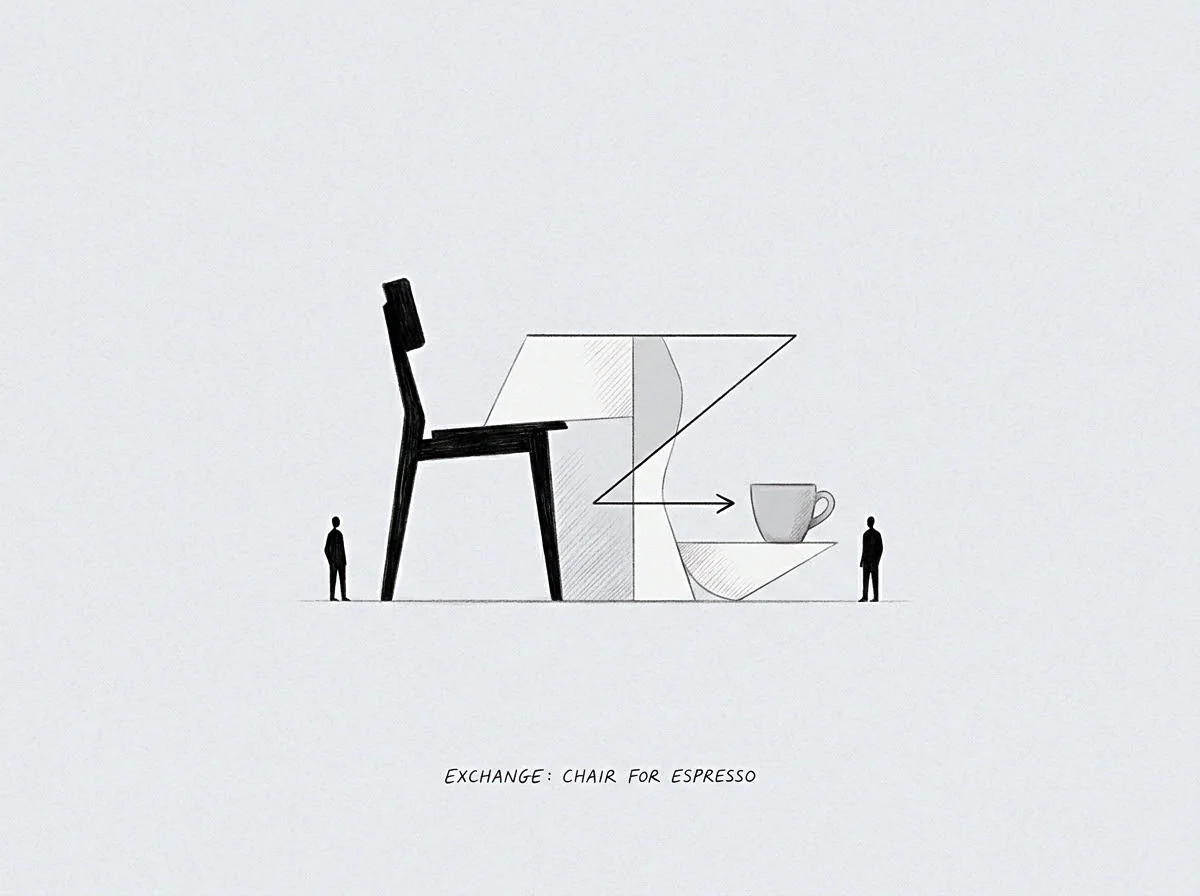
Investors, enterprise clients, and commercial partners routinely demand immediate access to product leads. Without systemic insulation, external pressure pushes against the operator until it encounters a hard constraint. Relying on personal willpower to rebuff these requests depletes executive reserves through constant case-by-case negotiation.
Filtering external demands requires structural insulation. Routing inquiries through dedicated administrative points, enforcing explicit escalation criteria, and publishing standard response SLA terms shifts boundary enforcement from a personal refusal into an operational default.
Structural Enablers Of Asynchronous Communication
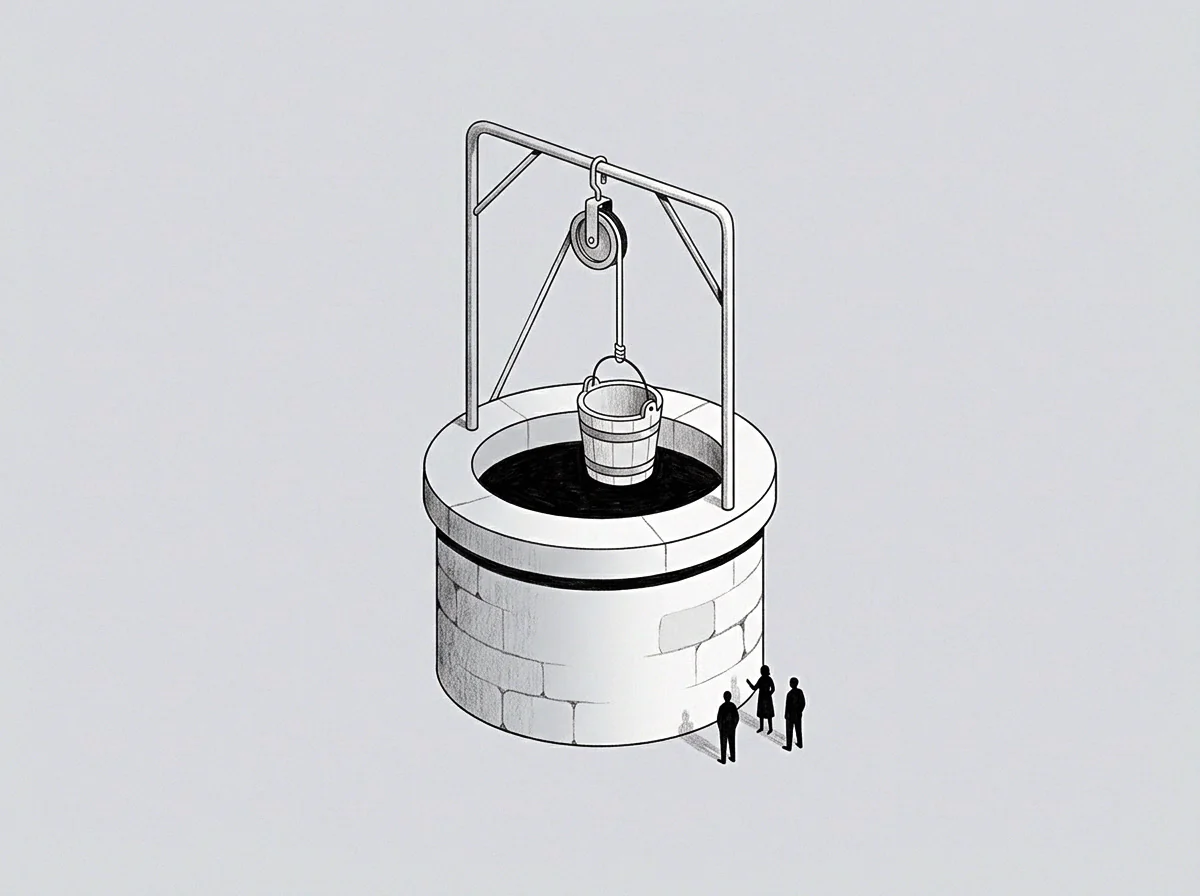
- Define escalation criteria explicitly so team members know exactly when an incident justifies interrupting focused development blocks.
- Consolidate status updates into daily written digests to replace recurring synchronous alignment calls.
- Establish fixed response windows on internal channels, reserving off-hours strictly for critical infrastructure or security incidents.
- Implement written decision records for product changes, replacing verbal alignment calls with structured asynchronous reviews.
By establishing clear response protocols and maintaining structural barriers, leadership protects the engineering baseline while preserving execution momentum.
An internal SLA specifying that routine pull request reviews occur within six business hours shifts team coordination from unpredictable interruptions into regular daily batches.

Stance
Sustaining product velocity over multi-year horizons requires an autonomic baseline that recovers reliably from intense releases. High-velocity engineering alternates between focused output and physiological recovery. Decoupling workflows from immediate availability provides the operational basis for that cadence.
When the nervous system operates from a stable baseline, product judgment improves. Operators remain level during unexpected production incidents, assess user feedback objectively, and make strategic adjustments without collapsing from exhaustion.
Clear availability terms maintain output quality while shielding the autonomic baseline from continuous load.

Sustained Iteration Velocity Without Physiological Atrophy
Long-term execution depends on preserving human capacity. Teams that prioritize immediate responsiveness over autonomic recovery encounter higher turnover, elevated error rates, and stalled roadmaps. Protecting the baseline ensures that core engineering competence survives across successive release cycles.
Decoupling availability builds organizational endurance. By trading constant reactivity for structured communication latency, engineering groups sustain release velocity alongside baseline physiological stability.