
Structural Availability Derivation Across Asynchronous Scaling Co-Founder Execution Channels
Asynchronous co-founder availability is derived from channel response latency and queue throughput rather than derived from real-time interpersonal interaction.

Queue
Four execution threads sit unread on a server at midnight while the operator reviews system logs. In early enterprise stages, co-founders rely on synchronous co-presence to evaluate operational energy, align priorities, and absorb tension through immediate verbal feedback. Immediate verbal feedback functions as a continuous coregulation mechanism, allowing real-time adjustments before friction hardens into structural failure.
Scaling forces execution out of real-time conversation and into high-latency written repositories, ticket queues, and distributed document streams. The physical desk yields to the asynchronous workspace.

Asynchronous Communication Channels
Execution shifts into written repositories when an enterprise scales past immediate verbal coordination. Written dispatch alters how co-founders derive the operational status of their counterpart. In synchronous environments, availability is observed directly through physical presence, immediate vocal response, and shared context.
In distributed asynchronous execution, availability becomes an inference derived from channel dynamics. The frequency of ticket resolution, the time lag between message transmission and response, and the technical depth of written status updates serve as the primary raw data streams from which co-founders construct mental models of partner capacity.
When information flows across asynchronous pathways, response latency is frequently misread. A delayed response in a synchronous room signals friction, disagreement, or emotional avoidance. Within an asynchronous channel, latency represents task processing duration, focused execution blocks, or structural queue congestion.
Without explicit boundaries, founders project real-time expectations onto asynchronous tools, interpreting systemic processing pauses as personal signals of disengagement or operational drift.
Signal Propagation Delay
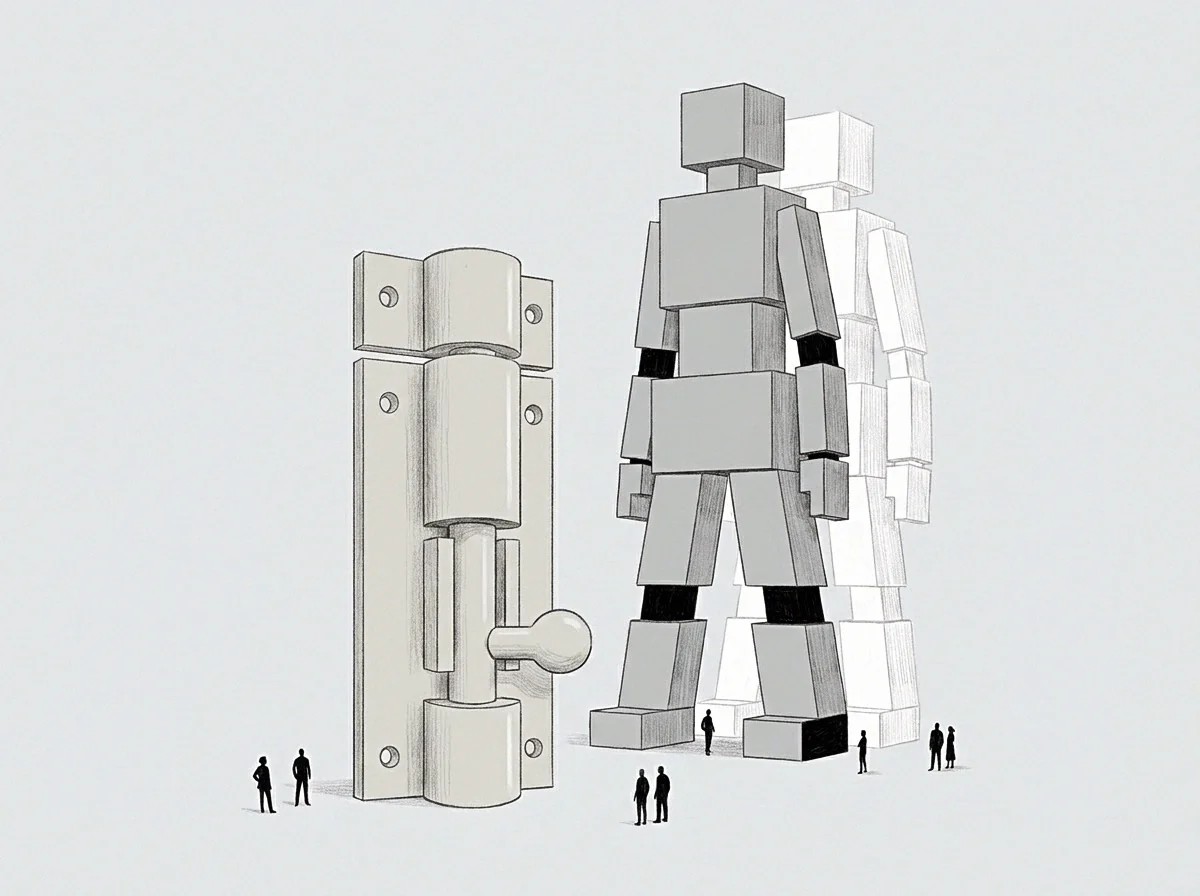
The interval between dispatch and response measures active operational capacity. Asynchronous architecture introduces a delay between the transmission of a priority update and its receipt by the second founder. This propagation window creates an information vacuum.
During high-intensity scaling phases, founders fill this vacuum with assumptions regarding partner velocity and alignment.
Silent channels carry heavy structural meaning. A founder who dispatches three urgent operational requests without receiving an immediate reply often assumes their partner is rejecting the priority. The channel did not drop the message; the receiving founder reached their daily processing limit six hours earlier.
Structural availability derivation requires decoupling raw response velocity from commitment level. Without this decoupling, the pushing co-founder escalates dispatch frequency, adding unnecessary queue depth to an already saturated channel.
The message sits unread because the operational volume exceeded the daily allocation four hours ago.

Drain
High operational volume depletes cognitive reserves faster than intermittent synchronous meetings. When asynchronous execution channels operate without defined limits, work continuously leaks across temporal boundaries. The absence of immediate verbal coregulation removes the natural stopping points provided by physical departures from a shared space.
Incoming tasks accumulate indiscriminately in open message buffers, forcing founders to hold multiple open loops simultaneously throughout their non-operational hours.

Capacity Ceilings in Asynchronous Execution
Every operator meets a hard ceiling where incoming tasks surpass daily cognitive headroom. Allostatic load accumulates as the body and brain continually adapt to incessant operational demands. In synchronous environments, physical exhaustion manifests visually through posture, tone, and facial expression, prompting natural adjustments from co-founders.
Asynchronous scaling masks these physiological indicators behind text interfaces, allowing work requests to pile up long after an operator has reached operational exhaustion.
When load continuously exceeds processing capacity, the individual enters an allostatic overload state. The founder does not experience this as a voluntary decision to slow down, but as an involuntary systemic collapse in execution velocity. The asynchronous channel continues to present incoming items, creating a compound backlog that further suppresses processing output.
When incoming asynchronous load exceeds active processing headroom, execution latency increases exponentially rather than linearly.
Systemic load transfer occurs silently across shared project boards. When one founder hits an execution wall, unaddressed tasks remain in shared queues. The second founder, observing the growing backlog, naturally absorbs the unallocated items to maintain company velocity.
This passive transfer of load shifts structural strain without explicit renegotiation, creating covert operational contracts that drain the remaining partner.
- Saturated Dispatch occurs when incoming operational requests exceed the receiving partner’s daily queue throughput ceiling, generating systemic processing delays.
- Silent Throttling represents an involuntary reduction in response depth caused by cognitive resource depletion rather than intentional prioritization.
- Latent Task Stacking accumulates unassigned execution items within shared asynchronous channels, silently transferring operational weight to the active founder.
- Coregulation Collapse marks the complete breakdown of real-time physiological stress attenuation following the transition from synchronous co-presence to written channels.

Allostatic Load Transfer
When one partner reaches system ceiling, unmanaged task backlogs shift stress across organizational boundaries. This transfer operates through structural pressure rather than direct delegation. The founder who retains available capacity notices open pull requests, pending customer approvals, and unreviewed financial models sitting past target response windows.
The active founder experiences an internal pull to resolve these items, effectively assuming responsibility for the partner’s unmanaged operational volume.
Without explicit operational terms defining maximum queue depth, the active partner becomes the default absorption layer for systemic overload. The absorbing founder experiences rising physiological strain while the overloaded founder remains paralyzed by task accumulation. This dynamic creates persistent structural friction, as both partners feel unfairly burdened by the operational realities of the shared channel.
Unstated operational limits force the remaining founder to absorb systemic overload until execution breaks entirely.

Cadence
Rhythmic task output defines the baseline velocity of remote operational teams. In an asynchronous scaling environment, velocity cannot be sustained through constant emergency pings or continuous background availability. High-performing co-founder relationships depend on predictable cadence over instant responsiveness.
Establishing explicit processing windows allows founders to batch execute high-cognition work while maintaining reliable signal propagation across shared execution channels.

How Does Asynchronous Latency Mask Structural Capacity Exhaustion?
Silent message buffers allow ongoing work items to accumulate without immediate detection. In synchronous settings, a founder visibly struggling with a problem receives immediate assistance or task redistribution. In asynchronous systems, task assignment occurs instantly via ticket creation, but task failure remains hidden within processing latency windows for days or weeks.
The company operates under the illusion of full execution velocity until a critical milestone fails to materialize.
The explicit specification of response windows converts implicit availability pressure into bounded operational terms.
The table below delineates how execution dynamics diverge between traditional synchronous coregulation and derived asynchronous availability metrics across core operational dimensions.
| Operational Dimension | Synchronous Co-Presence | Asynchronous Channel Execution |
|---|---|---|
| Response Latency Interpretation | Real-time emotional hesitation or active interpersonal conflict | Structural queue processing time and raw capacity allocation |
| Load Transfer Mechanism | Direct coregulation through immediate verbalization | Asynchronous task handoff and state-gated queue insertion |
| Availability Derivation Signal | Physical proximity, eye contact, and vocal cadence | Ticket throughput, response window observance, and silent duration |
| Regulator Depletion Rate | Accelerated by continuous interruption and context switching | Protected through batch processing and explicit latency windows |
| Structural availability shifts from an emotional observation in synchronous modes to a derived mathematical property in asynchronous channels. | ||
State Variables Against Mood
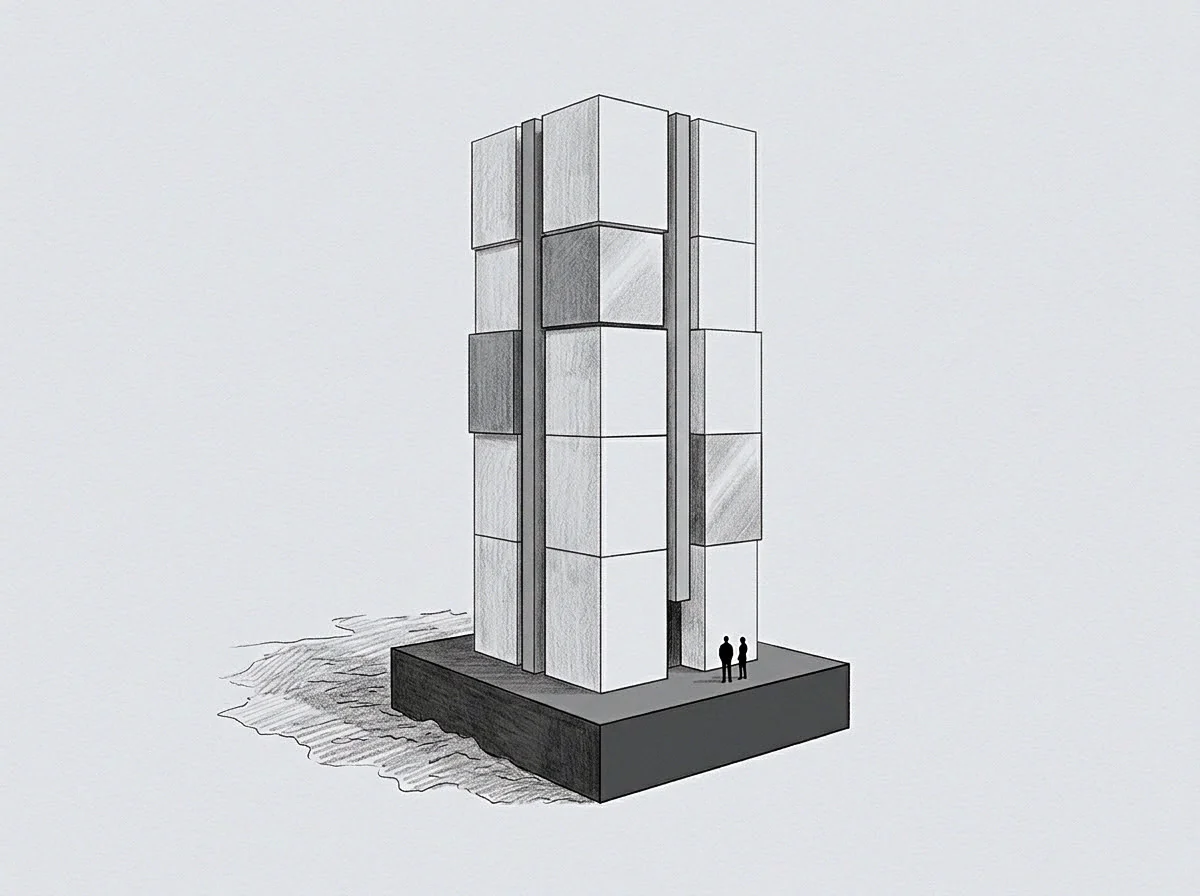
Operational readiness functions as a measurable transfer mechanism between inputs and task outputs. Evaluating founder status through internal emotional states yields unreliable operational predictions. A founder may report feeling motivated while simultaneously operating at zero cognitive headroom.
Structural evaluation relies on state variables: active open loops, available focus hours, current queue depth, and incoming load velocity.
When an operational act is state-gated, no degree of personal motivation or conscious decision-making produces clean execution against a live capacity constraint. Decisions alone cannot override physiological exhaustion or cognitive saturation. Recognizing an act as state-gated prevents co-founders from interpreting systemic execution blockages as failures of founder commitment or executive willpower.
When an asynchronous channel goes quiet, the receiving partner derives operational state from the silence. If the silence occurs within an agreed-upon focus window, it signals deep execution work. If it occurs outside established parameters without prior position declaration, it signals unmanaged overload.
The distinction lies entirely in the presence of clear structural agreements.
Whether an organization can distinguish between intentional structural throttling and systemic capacity collapse remains dependent on the precision of its performance metrics.

Pact
Explicit agreements substitute clear parameters for implicit personal expectations. In the absence of written operational terms, co-founders run on covert contracts. Covert contracts consist of unstated expectations regarding response times, work hours, and availability.
These implicit expectations inevitably break when asynchronous scaling exposes the variance between individual working styles and capacity limits.
Explicit Constraints and Stated Terms
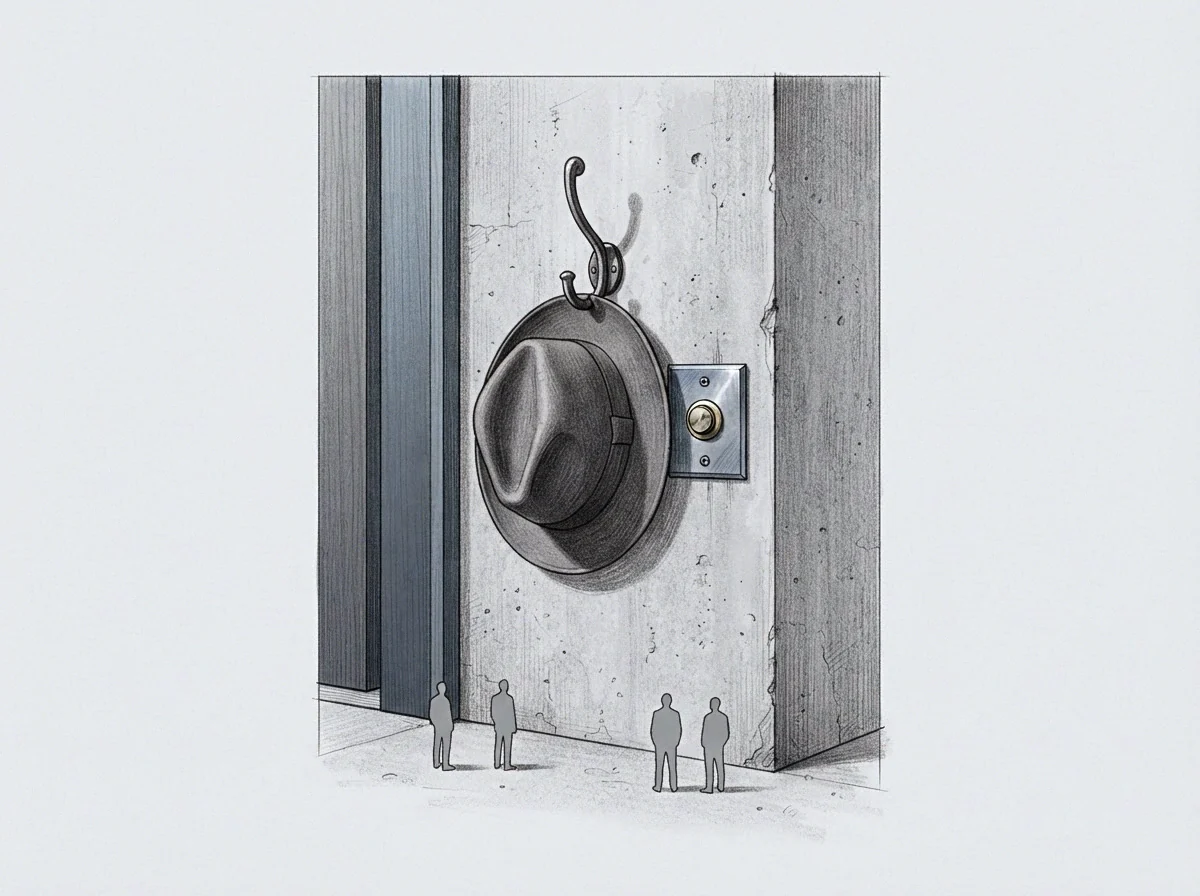
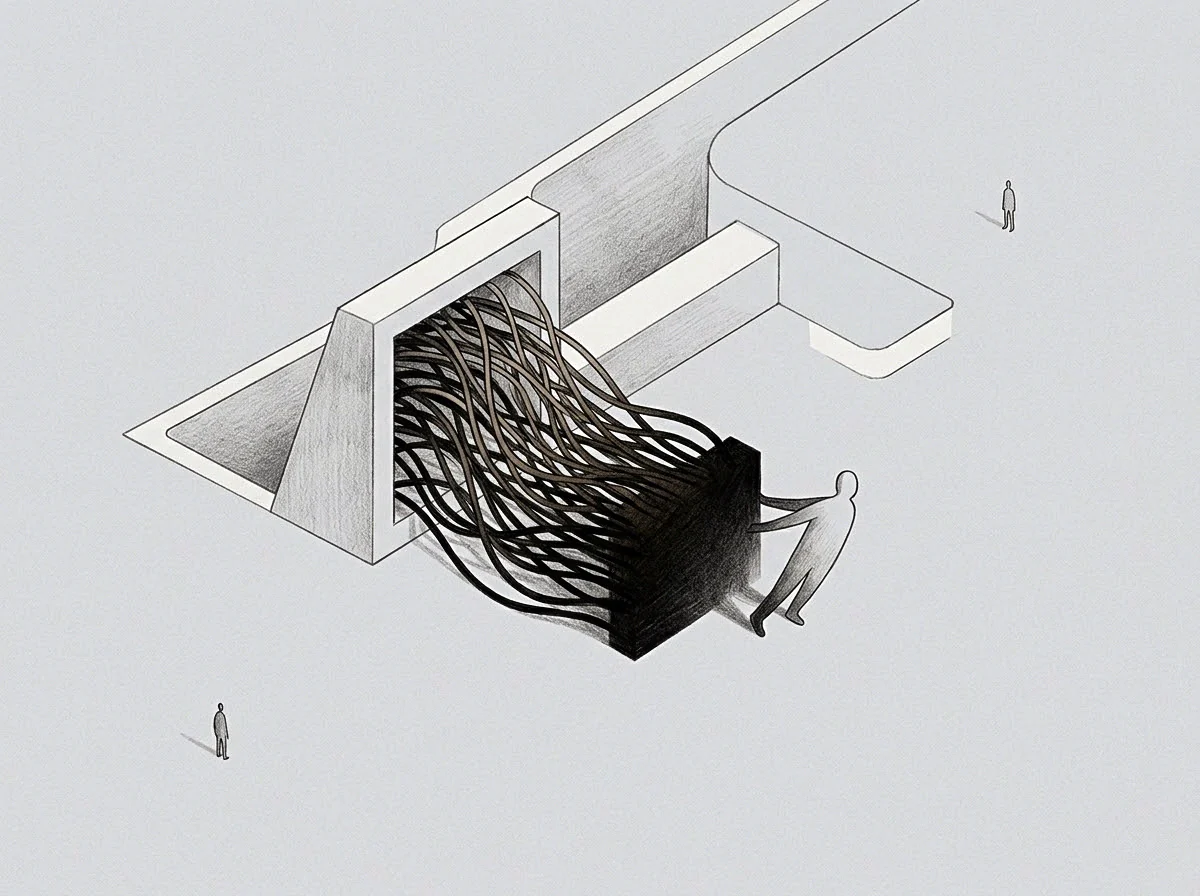
Fixed operational boundaries prevent continuous expansion of background task expectations. A stated limit functions as a solid wall inside an organization. When a founder explicitly states an operational boundary, incoming load pushes against the boundary rather than pressing directly against the person.
The limit transforms from an interpersonal negotiation into an established structural property of the workspace.
Stating a term once removes the necessity for continuous daily negotiation. For example, establishing a maximum active queue limit of five major operational tickets per founder creates a hard constraint. When the sixth ticket arrives, the system rejects insertion or requires displacement of an existing item.
The partner does not negotiate with the founder’s energy level; the partner manages task prioritization against the stated capacity ceiling.
A limit stated once establishes a structural wall where personal endurance produces only endless expansion.
Establishing explicit constraints requires defining parameters that govern channel interaction and execution throughput. These parameters remove ambiguity surrounding asynchronous availability.
- Response Window Ceiling defines the maximum permissible elapsed time before an asynchronous dispatch must receive operational acknowledgement or queue routing.
- Queue Depth Floor establishes the minimum unencumbered cognitive headroom required before a founder accepts additional high-priority execution threads.
- State Gate Assertion identifies specific operational conditions under which incoming task processing automatically suspends to protect critical systemic functions.
Cost Functions of Queue Operations
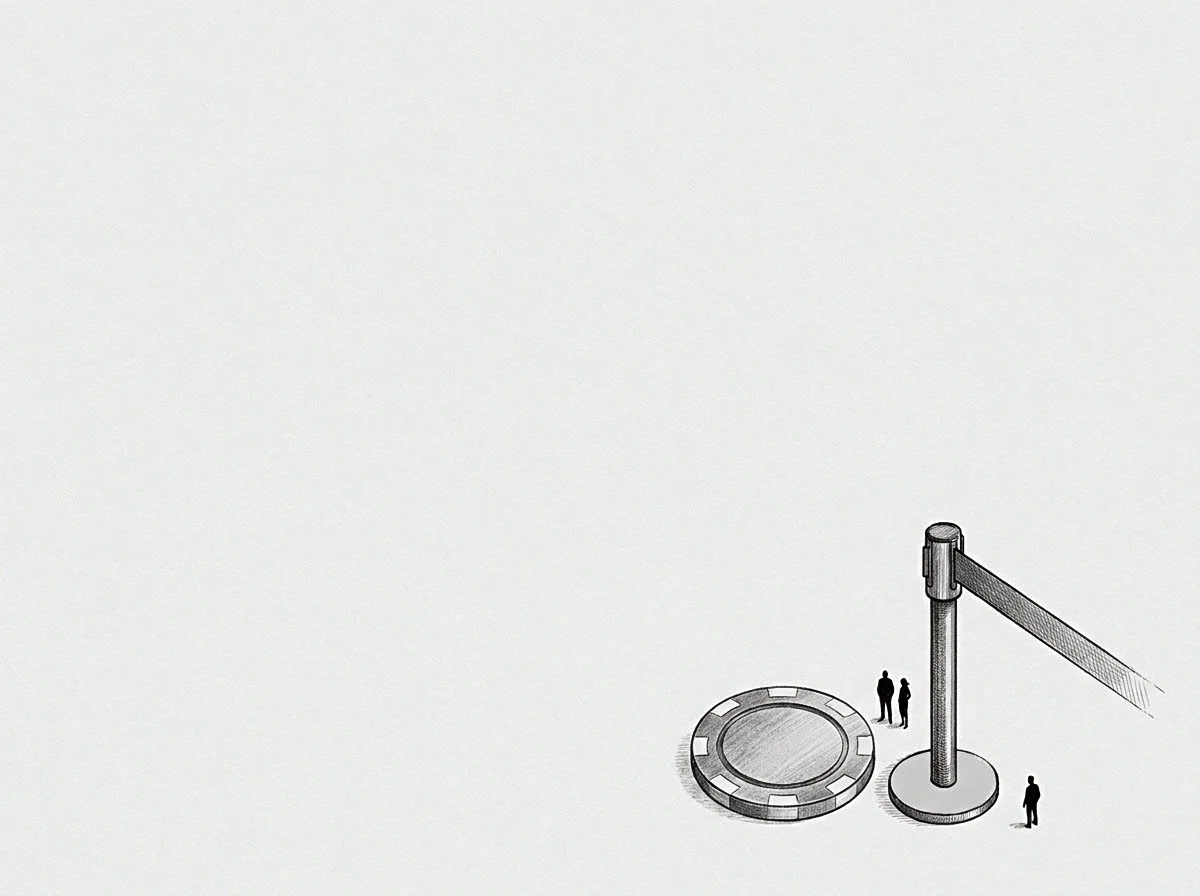
Systemic processing delays exact a measurable toll on execution momentum. Every unstated limit incurs hidden costs paid in cognitive fatigue, delayed decision-making, and interpersonal friction. When asynchronous execution channels operate without clear capacity constraints, founders spend excess energy managing the uncertainty of partner response times rather than executing core business tasks.
Explicitly defining cost functions allows co-founders to evaluate the trade-offs between immediate response latency and long-term execution quality. Pushing a founder past their operational threshold to achieve a rapid response degrades the quality of subsequent strategic decisions, generating compounding technical and organizational debt across the enterprise.
The addition of a fixed response window clause changes incoming message backlogs from personal failures into systemic queue events.

Shift
Transitioning to explicit structural limits alters how team members perceive response pauses. Operational availability ceases to be a continuous baseline expectation and becomes a calculated output derived from explicit terms and active state variables. Founders shift from monitoring partner presence to managing execution channels through objective throughput metrics.
Operationalizing Derived Availability
Constructing explicit response windows lets partners calculate active status without real-time pings. When an asynchronous channel displays silence during an established processing block, the partner reads the silence as active focus rather than absence. The derivation rests on clear positions stated in advance.
Availability becomes predictable because it is bounded by visible operational rules rather than hidden internal states.
Silence within an asynchronous channel reflects current execution capacity rather than interpersonal standing.
A founder who declares a specific operational position removes the requirement for continuous coregulation. The declaration states current capacity, current queue depth, and expected resolution windows. The partner adjusts external execution strategy based on these declared metrics, eliminating the friction of unfulfilled real-time expectations.
Structural Position Assertion
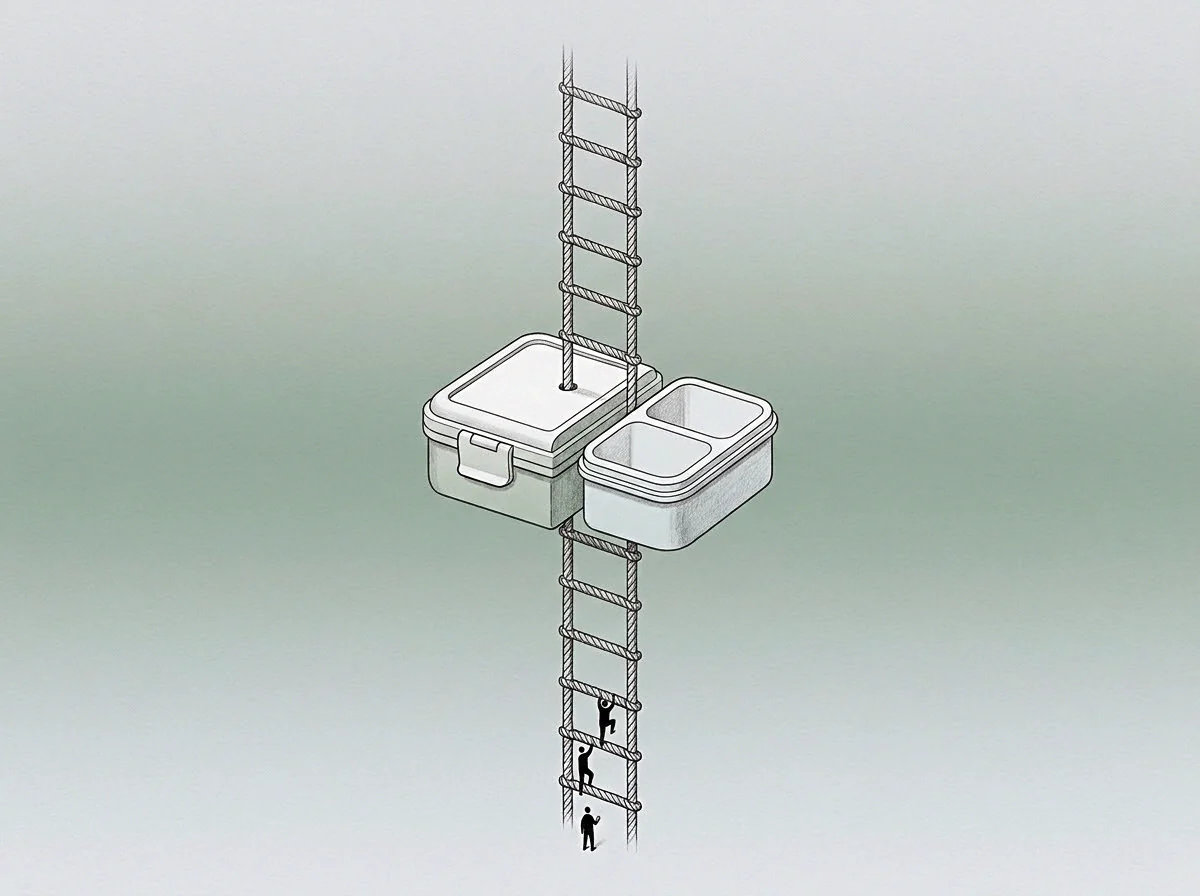
Stating a clear operational limit converts vague availability expectations into a solid wall. The push from incoming task volume stops at the stated boundary. The enterprise adapts to the wall by reprioritizing tasks, reallocating capital, or hiring auxiliary execution layer support.
The load transfers to structural solutions rather than crushing the individual founder.
When asynchronous scaling channels operate under clear structural boundaries, co-founders maintain high execution velocity without inducing allostatic overload. Availability remains derived, visible, and strictly bounded by stated terms.
Clear operational positions eliminate the need for real-time validation across asynchronous systems.