Meaning
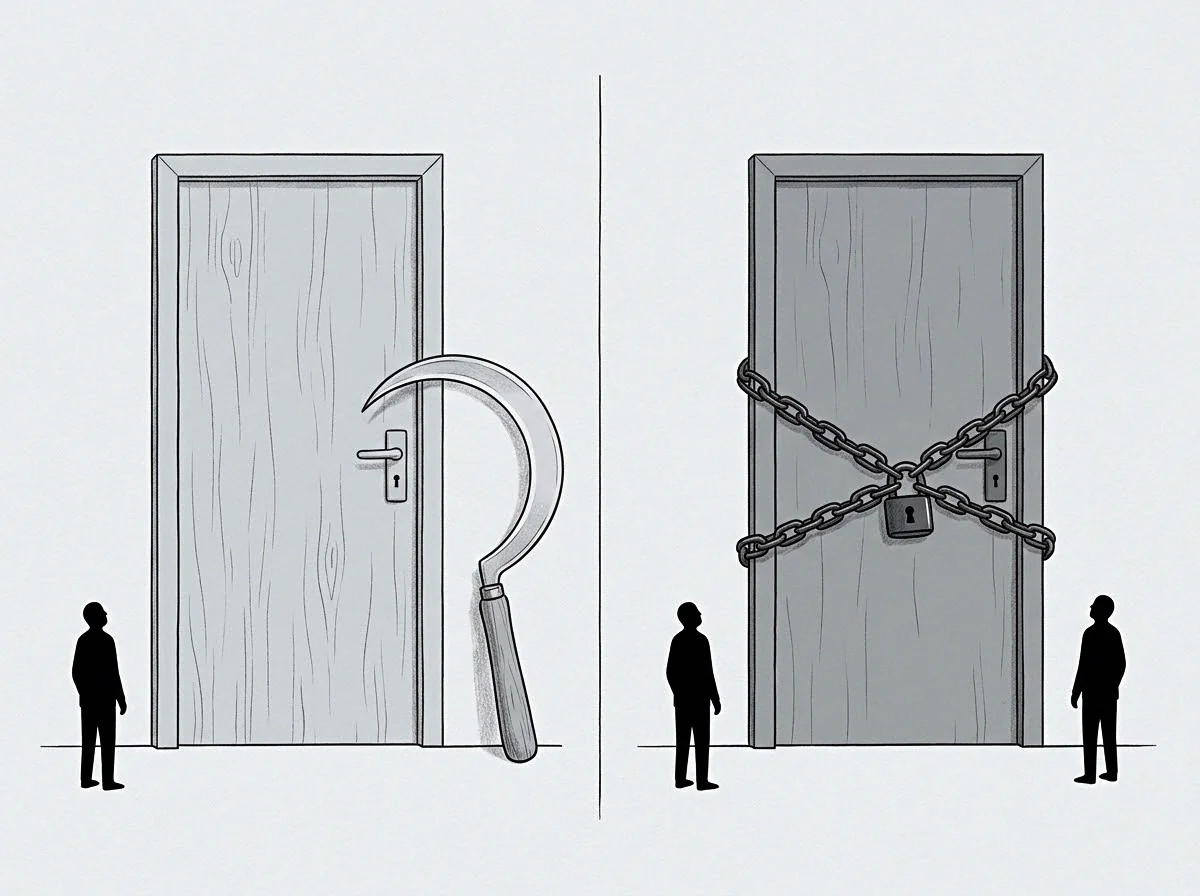
An operational pattern derived exclusively from past emergency survival postures imposes defensive constraints upon non-crisis environments. During the period after founding, a backwards template leads an operator to interpret benign stakeholder inquiries as existential threats, locking biological systems into prolonged hypervigilance. The boundary of this mechanism terminates when direct somatic recalibration or unpunished vulnerability demonstrates that past defensive postures no longer match current enterprise safety.
Threat Generalization
Historical operational trauma conditions individuals to process novel inputs through defensive categories established during founding scarcity. Operating under a backwards template causes standard administrative friction to register as catastrophic insolvency, activating defensive fight-flight biology without objective cause. Memory circuits map obsolete distress onto stable operational conditions.
Cognitive evaluation defaults to worst-case interpretations. Nervous systems waste significant metabolic resources preparing defenses against risks that were retired during earlier corporate phases.
Energy Depletion
Sustaining obsolete survival architectures incurs massive biological overhead during peacetime operations. When a backwards template dictates daily governance, sustained cortisol production exhausts cellular reserves and degrades sleep architecture. Neurological capacity narrows toward acute threat hunting rather than expansive strategic evaluation.
Attention remains chained to defensive verification routines. Chronic allostatic load climbs as the nervous system battles imaginary repetitions of past corporate close calls.
Structural Extinction
Dismantling an outdated threat model requires unreinforced repetitions of modern operational safety. Retiring a backwards template depends on exposing personal physiology to open communication channels without triggering historical retaliatory or evasive behaviors. Somatic safety signals gradually decouple old survival habits from routine business interactions.
Executive control returns to present-tense risk evaluation once historical alarms cease driving resource allocation. The operator transitions from inherited crisis defense into sustainable structural governance.