Meaning
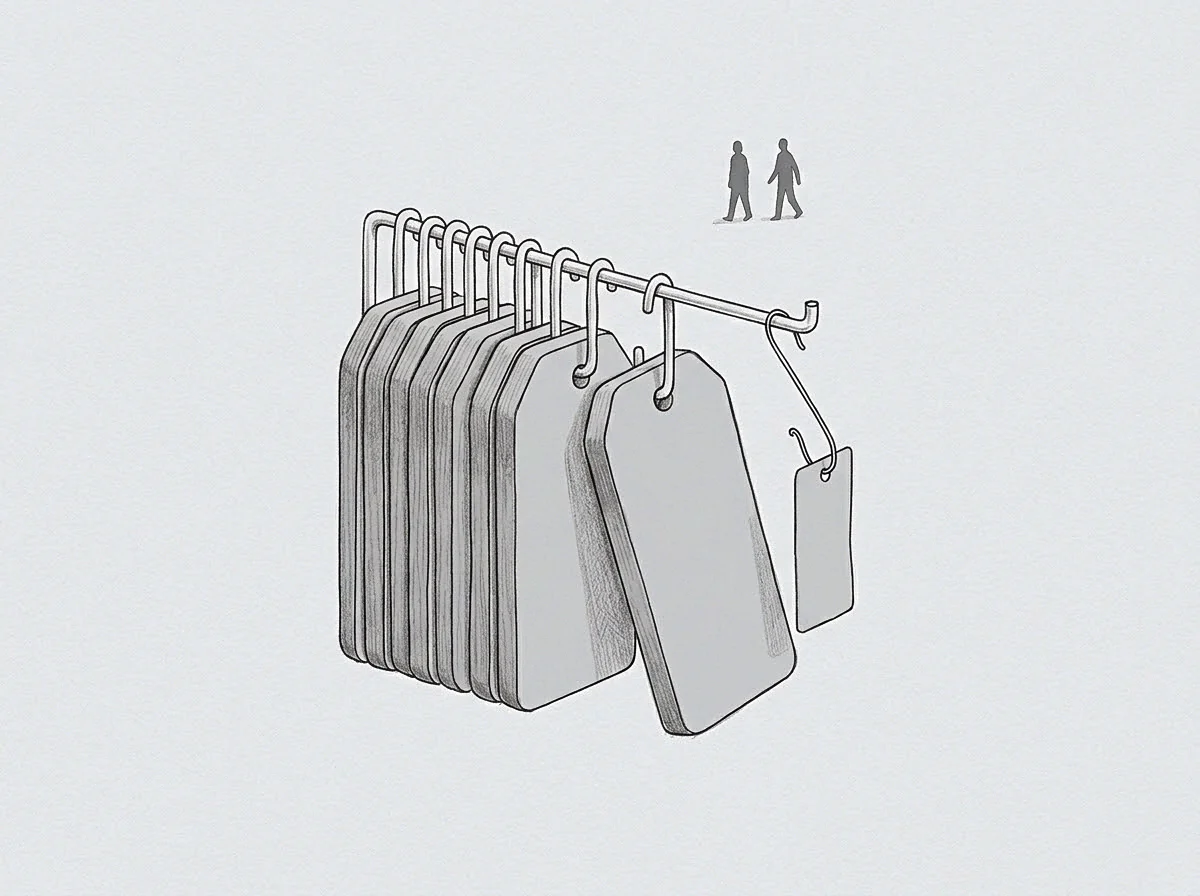
Temporal windows function as the central mechanism for organizing discrete units of work into cohesive blocks to preserve mental energy. Fixed batching intervals ensure that a person focuses on a single category of demand before moving to the next. This method prevents the fragmentation of attention that occurs when reactive tasks dictate the schedule.
Transition Economy
Efficiency increases when similar operations are performed in a sequence without the interruption of unrelated data. Within these batching intervals, the brain remains in a specialized state that reduces the startup cost for each individual item. The throughput of the system depends on the length and consistency of these blocks, and any deviation from the established schedule forces an immediate return to a high energy state of reorientation.
This requires the person to rebuild the context from zero.
Sequential Focus
Every transition between different types of work drains the pool of available focus and increases the probability of error. Longer batching intervals reduce the frequency of these transitions and lower the cumulative friction experienced during a workday. A person can handle a higher total volume of work if the units are grouped effectively.
Latency Cost
Limits appear when the delay caused by waiting for the next window creates a bottleneck for others. If batching intervals are too long, the system loses the ability to respond to urgent signals in a timely manner.