Meaning
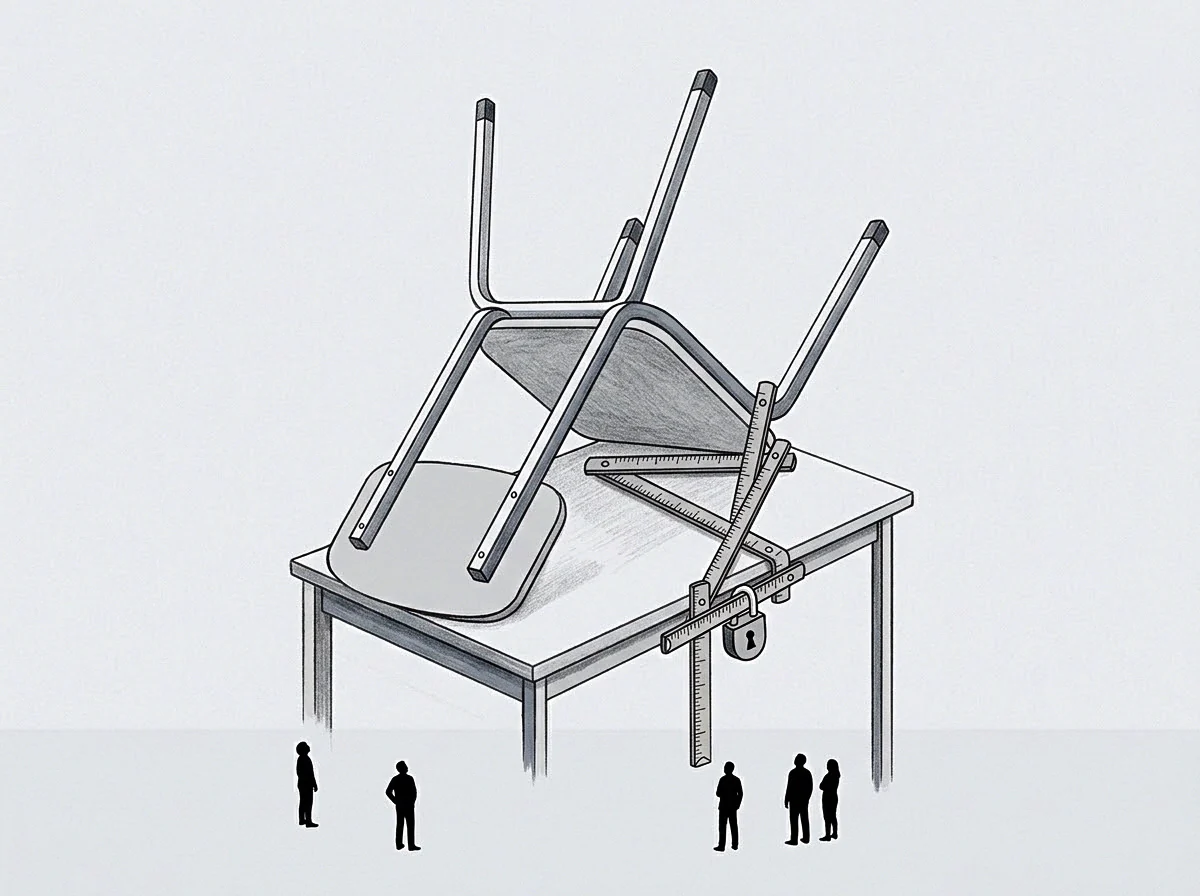
Systemic efficiency losses in cognitive processing occur when the body must allocate disproportionate metabolic energy to managing chronic background strain. This tax on physical resources, known as bioenergetic drag, reduces the amount of glucose and oxygen available for high-level executive functions. When a founder carries unresolved stress, the brain must work harder to perform routine tasks, exhausting its available energy sooner in the working day.
The condition stops applying only when the background stressors are removed or when the body’s energy-generation mechanisms are restored to full health.
Metabolic Tax
The human brain consumes roughly twenty percent of the body’s total energy, even under resting conditions. When bioenergetic drag is present, this consumption rises as the prefrontal cortex struggles against systemic fatigue. To maintain performance, the brain demands a greater share of the body’s resources, which reduces the energy available for physical endurance and immune function.
This constant drain limits the founder’s daily productive hours, making long-term strategic projects difficult to sustain without severe exhaustion.
Cognitive Friction
Decisions require a high volume of neural transactions that rely on direct metabolic support. Under the influence of bioenergetic drag, these transactions slow down, leading to hesitation and analysis paralysis. The individual struggles to synthesize complex data points or hold multiple variables in working memory simultaneously.
Systemic Adaptation
Reclaiming this lost metabolic efficiency requires more than simple sleep or rest. The body must actively recalibrate its energy distribution networks by reducing chronic physical inflammation and psychological tension. If the systemic drag is allowed to persist, the brain adapts by permanently lowering its baseline performance, which limits the founder’s capacity to lead.