
Measuring Allostatic Load and Neural Throttling In Former Company Founders
Allostatic load reflects cumulative physiological wear from chronic regulatory demand, while neural throttling down-regulates executive capacity to protect neural tissue under sustained overload.

Wear
Allostatic load describes the cumulative biological expenditure resulting from sustained physiological adaptation to chronic environmental demand. When an operator manages continuous threat signaling, ongoing capital exposure, and relentless interpersonal negotiation, the autonomic nervous system remains locked in sympathetic dominance. The body adapts to chronic strain by continually altering internal operational baselines across endocrine, metabolic, and immune pathways.
The neuroendocrine mechanism governing this continuous adaptation shifts from dynamic responsiveness to sustained elevation of systemic mediators.
Physiological toll accumulates quietly before overt functional deficits appear. High baseline cortisol concentrations alter vascular tone, suppress cell-mediated immunity, and disrupt nocturnal cellular repair. Glucocorticoid receptor sensitivity drops in response to continuous circulating cortisol, forcing the hypothalamic-pituitary-adrenal axis to produce larger hormonal surges to achieve standard regulatory effects.
The former company founder often navigates years of intense corporate management without conscious awareness of these internal shifts because cognitive drive masks systemic biological strain.
Sustained elevated glucocorticoid exposure alters cellular receptors when external operational demands exceed systemic regulatory recovery.

Biochemical Markers of Sustained High Allocation
Persistent activation of the sympathetic nervous system alters systemic endocrine baselines long after operational pressure drops. Blood pressure baselines remain elevated while salivary cortisol awakening responses display flattened curves. The adrenal cortex maintains elevated secretion.
Inflammatory biomarkers, particularly interleukin-6 and high-sensitivity C-reactive protein, show chronic upward baseline drifts in individuals subjected to multi-year commercial exposure without predictable rest cycles.
Heart rate variability provides a direct quantitative window into this autonomic imbalance. Decreased root mean square of successive differences in heartbeat intervals reflects diminished vagal tone and reduced parasympathetic control. The biological system loses its ability to transition rapidly between high-alert states and deep restorative baselines.
This ongoing physiological cost persists even after explicit obligations imposed on a founder terminate through acquisition, closure, or step-down transitions.
Misinterpreting chronic physiological exhaustion as a simple motivation defect leads to escalating bioenergetic deficits and eventual system collapse.

Channel
Systemic exhaustion manifests through specific down-regulatory responses designed to preserve neural integrity under overload. Neural throttling operates as an adaptive biological protective mechanism that artificially restricts prefrontal cortex throughput. When continuous executive demands threaten to exhaust localized cellular adenosine triphosphate reserves, central nervous system pathways throttle cognitive processing speed, working memory maintenance, and complex decision-making capacity.
This biological brake prevents excitotoxic neuronal damage during prolonged periods of excessive cognitive load. Former company founders experiencing neural throttling frequently report a sudden inability to process complex ambiguous inputs, evaluate non-linear financial options, or maintain focus during routine conversations. The operational cost becomes apparent when standard intellectual tasks require immense forced effort.
What Separates System Throttling From Clinical Depression?
Diagnostic criteria often conflate functional neural conservation with mood disorders. Major depressive disorder typically presents with pervasive anhedonia, negative cognitive distortions regarding self-worth, and persistent affective flattened tone across all contexts. Throttling presents specifically as a localized capacity cap in an individual whose core affective baseline and basic motivation remain intact when demands are removed.
A former founder experiencing system throttling exhibits sharp cognitive drops when confronted with open operational decisions, yet retains intact cognitive functioning during low-demand passive tasks. Sickness behavior pathways driven by elevated inflammatory cytokines induce lethargy and social withdrawal specifically to conserve bioenergetic resources for physiological repair. Conflating this adaptive neural restriction with psychiatric mood collapse leads to incorrect intervention approaches that fail to address underlying neuroendocrine strain.
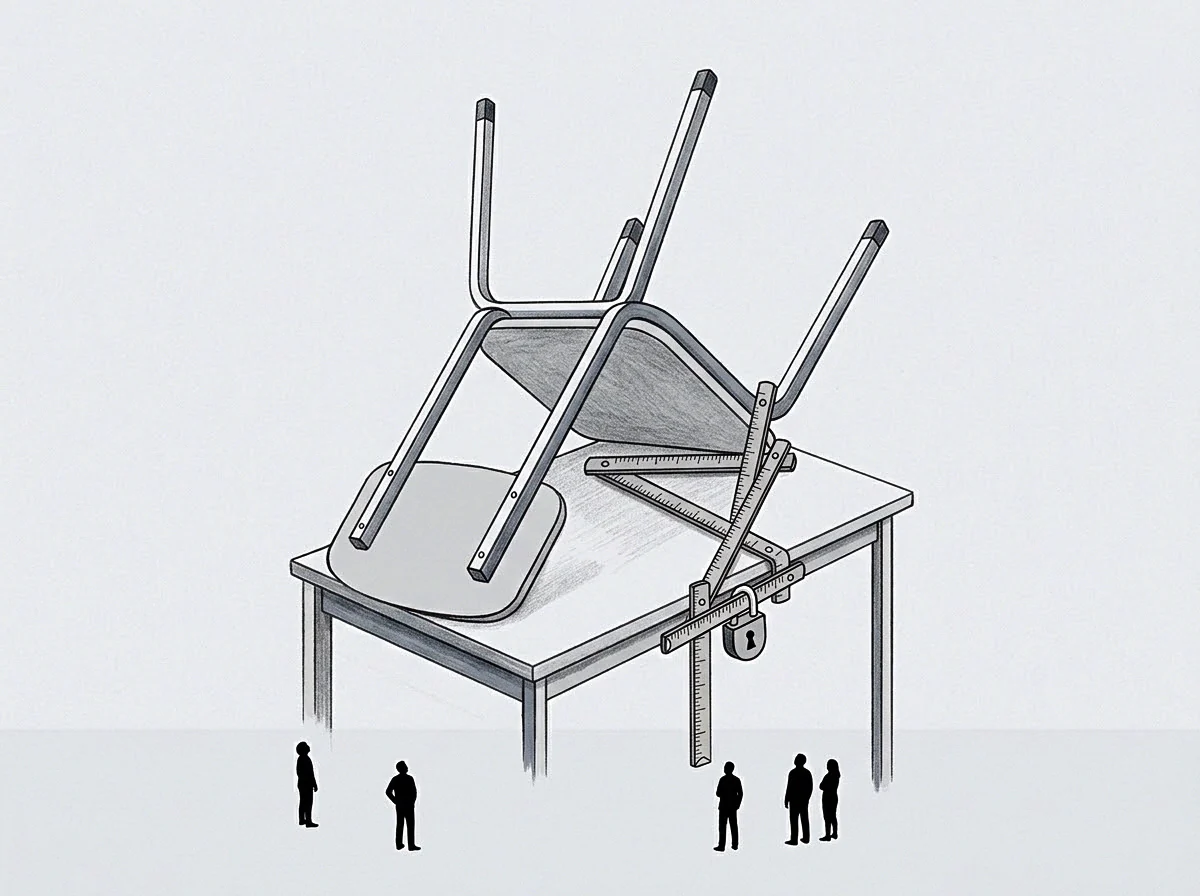
Neural throttling functions as an automatic bioenergetic brake, reducing central executive output to protect prefrontal tissue from metabolic strain.

Central Executive Down-Regulation Under Sustained Demand
When metabolic demands exceed prefrontal glucose supply, protective neural attenuation reduces processing speed. Working memory slots contract, limiting the number of dynamic variables an individual can manipulate simultaneously. Task-switching efficiency drops sharply, resulting in pronounced cognitive switching latencies between disparate topics.
High baseline inflammation suppresses network activity. Neural processing shifts away from high-energy prefrontal networks toward low-energy subcortical regions. This functional shift decreases strategic foresight while increasing automatic reactive behaviors.
A former founder in this state may easily handle routine mechanical tasks but find strategic synthesis or creative problem-solving structurally unachievable until neuroendocrine balance restores.
Whether full prefrontal processing throughput returns immediately upon loop closure or requires multi-year endocrine rebalancing remains uncertain in long-term observational cohort data.

Gate
Processing capacity degrades when active threads remain unresolved across multiple operational domains. Working memory slots operate under strict structural limits. Each open commitment, unresolved conflict, or ambiguous strategic decision occupies a distinct slot within executive memory networks.
Ungated loops require continuous background scanning and working memory allocation, imposing an ongoing biological tax regardless of whether active work occurs on those items. Former company founders often carry hundreds of ungated threads concurrently, spanning investor relations, product roadmaps, structural personnel adjustments, and personal financial liabilities.

Concurrency Limits Across Open Cognitive Loops
Human working memory accommodates a strictly bounded count of simultaneous active concerns. Exceeding this concurrency limit causes immediate drops in processing efficiency and emotional regulation. A thread containing explicit scope, defined completion dates, and unambiguous contractual terms consumes minimal active working memory because the brain classifies it as secured.
An open thread lacking bound conditions forces the prefrontal cortex to maintain continuous vigilance. Former founder performance degrades rapidly when active ungated threads cross the personal concurrency limit. The regulatory mechanism underlying this cognitive drag directly tracks the raw count of unclassified open commitments rather than the physical time required to perform the associated tasks.
An open loop without scope, date, and terms occupies a active attentional slot regardless of its operational priority.

Structural Conversion of Ungated Loops Into Parked States
Formalizing explicit scope parameters transforms open liabilities into dormant records. Systematic thread gating requires active conversion of unstructured obligations into concrete, time-bound, and structurally bounded parameters.
- Scope Boundary Definition establishes exact operational parameters for an open task, preventing unstructured expansion into ambient attention reserves.
- Date Termination Anchor fixes a non-negotiable future review checkpoint, signaling to prefrontal networks that continuous background monitoring is unnecessary.
- Term Specification clarifies explicit performance criteria, eliminating cognitive uncertainty regarding what constitutes acceptable completion.
- Formal Thread Archival moves verified inactive loops out of active executive tracking into explicit external storage systems.
A parked thread frees system capacity, allowing central executive processing to reallocate energy toward biological recovery as background neuroendocrine threat signaling drops.
The project remains on track, but decisions sit waiting for review while communication stalls indefinitely.

Scale
Quantifying biological depletion requires measuring specific autonomic and neuroendocrine markers across standardized baselines. Self-reported exhaustion ratings consistently fail to reflect the true extent of physiological wear because high-drive individuals routinely adapt consciously to severe fatigue. Laboratory analysis of endocrine profiles, autonomic tone metrics, and cognitive processing latencies provides an objective measurement framework for former company founders.
Assessing allostatic load requires evaluating multi-system biomarker panels rather than single isolated biological values. Combining neuroendocrine markers with autonomic metrics reveals whether a person sits in active strain, functional throttling, or restored headroom.

Diagnostic Criteria Across Functional Physiological Parameters
Objective lab panels isolate chronic regulatory strain from subjective mood reporting. Systemic exhaustion manifests through consistent patterns across physiological variables, as detailed in the structural comparison below.
| Operational State | Autonomic Balance (HRV SDNN) | HPA Axis Baseline | Executive Switching Delay |
|---|---|---|---|
| Unbuffered Allocation | Below 25 ms (Severe vagal suppression) | Elevated continuous cortisol, steep slope | 150 to 250 ms baseline overhead |
| Active Throttling | 25 to 45 ms (Moderate parasympathetic deficit) | Flattened diurnal curve, low awakening response | 300 to 600 ms severe processing drag |
| Restored Headroom | Above 65 ms (Healthy vagal regulation) | Normal diurnal rhythm, robust awakening surge | Below 100 ms optimal switching latency |
Evaluating these metrics over time establishes a reliable baseline for tracking systemic recovery following an operational exit.
- Complete a four-point diurnal salivary cortisol panel to evaluate hypothalamic-pituitary-adrenal axis curve slope and total daily endocrine output.
- Measure continuous nocturnal heart rate variability across seven consecutive nights to establish true baseline vagal tone free from acute daytime stressors.
- Perform a standardized cognitive task-switching battery to quantify executive latency and working memory slot availability.
- Measure systemic inflammatory markers including interleukin-6 and high-sensitivity C-reactive protein to assess biological wear.
Unbuffered demand depletes total system capacity, producing measurable discrepancies between perceived endurance and baseline physiological readiness.
System recovery registers in suppressed nocturnal inflammatory cytokines before subjective energy ratings change.
A verified cortisol slope awakening ratio below fifteen percent establishes severe regulatory flattening, altering the baseline timeline for cognitive recovery from weeks to months.

Capacity
System recovery begins only after open loops clear and chronic threat signaling subsides. Rebuilding executive volume requires strict protection of cognitive capacity from incoming unstructured demands, recognizing that biological restoration proceeds along non-linear timelines independent of intentional effort.
Hypothalamic-pituitary-adrenal axis resetting requires months of predictable, low-threat routine to restore normal glucocorticoid receptor sensitivity. Former founders who attempt immediate secondary operational builds while still suffering from high allostatic load routinely trigger deeper neural throttling events.

Restoration of Executive Headroom Post Exit
Rebuilding functional processing volume requires strict boundary conditions around incoming communication. Eliminating unscheduled real-time messaging channels immediately drops background sympathetic nervous system arousal.
When external obligations carry clear terms, explicit dates, and limited scope, central executive networks cease continuous background threat evaluation. Available working memory slots open up, restoring strategic foresight, emotional stability, and high-level synthesis abilities. When ungated demands stop arriving and active threads exit working memory, physiological parameters slowly migrate toward pre-exposure baselines.