
Bioenergetic Costs Of Self Regulation In Isolated Executive Seats
Solitary executive seats elevate prefrontal metabolic costs by stripping away social baseline co-regulation, forcing autonomic vigilance and bioenergetic debt.
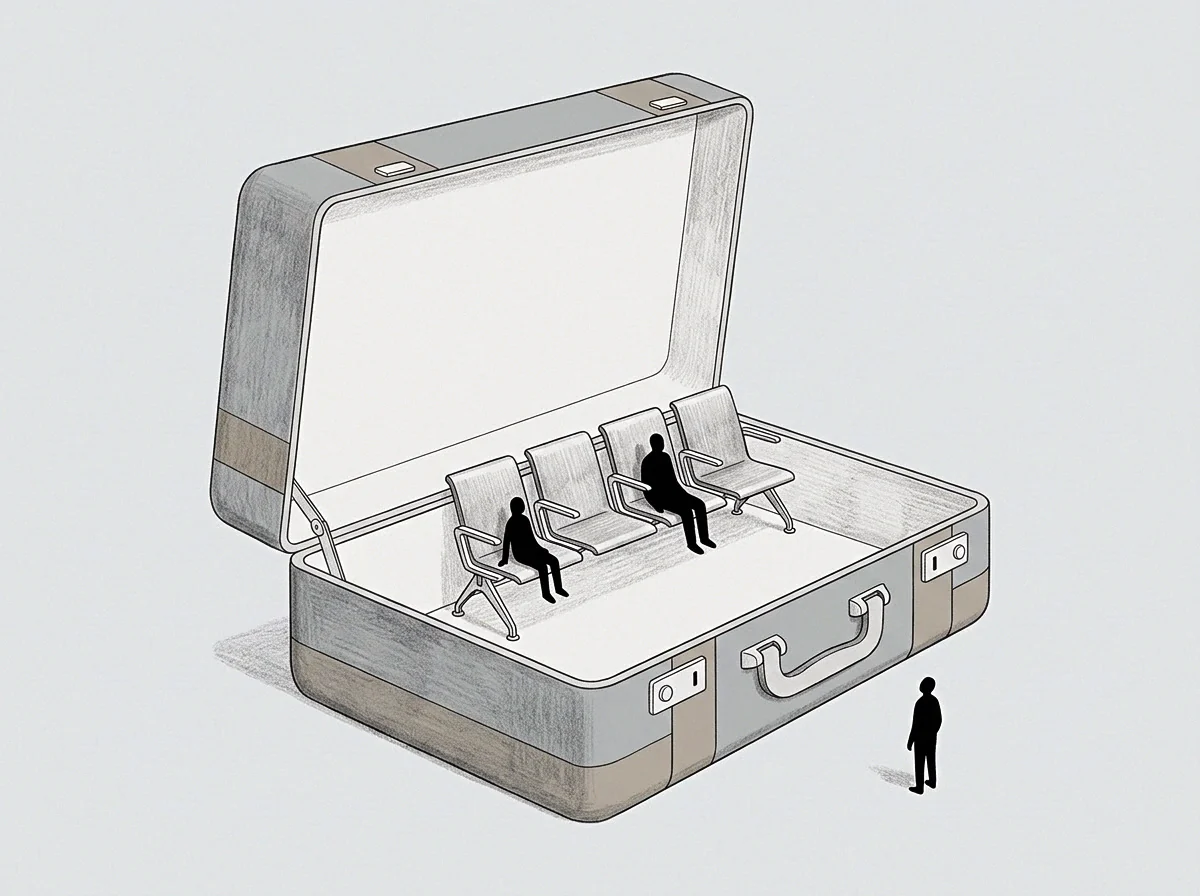
Panel
Isolation alters the brain’s metabolic budget. When an executive operates without immediate, reliable peers, the central nervous system reallocates its neural resources. Social baseline theory demonstrates that the human brain evolved to outsource bioenergetic costs to a surrounding group; physical and social proximity to predictable operational partners signals safety, allowing the brain to downregulate prefrontal cortical monitoring and suppress continuous vigilance.
In isolated seats, this metabolic economy breaks down. The brain treats structural solitude as an environment of elevated threat, requiring higher baseline glucose consumption to maintain cognitive control and emotional composure. Core executive functions—including threat appraisal, inhibition, impulse control, and strategic risk evaluation—rely on prefrontal networks that consume glucose at exceptionally high rates.
Solitary decision-making removes the passive co-regulatory buffer that normally keeps this expenditure down.
The metabolic cost of self-regulation rises sharply when external structural support disappears.
Without co-regulation, the prefrontal cortex operates continuously at high exertion. Remaining calm, processing ambiguous organizational metrics, or absorbing incoming risk requires active, unassisted neural inhibition. This physiological effort registers as accumulated metabolic exhaustion rather than conscious distress, draining systemic energy reserves beneath a steady professional exterior.
A leader remaining calm in an empty room burns metabolic fuel at double the baseline rate.
Organizations routinely mistake quiet self-regulation for unlimited operational capacity. Because the executive displays steady behavioral output, board members and subordinate operators assume the workload carries minimal personal friction. Neural mechanics show the opposite: the bioenergetic cost of maintaining equilibrium in isolation drains systemic reserves long before structural organizational failures appear.
Expecting an isolated operator to sustain continuous composure without co-regulatory proximity leads directly to sudden cognitive fatigue, severe executive paralysis, and systemic somatic breakdown.
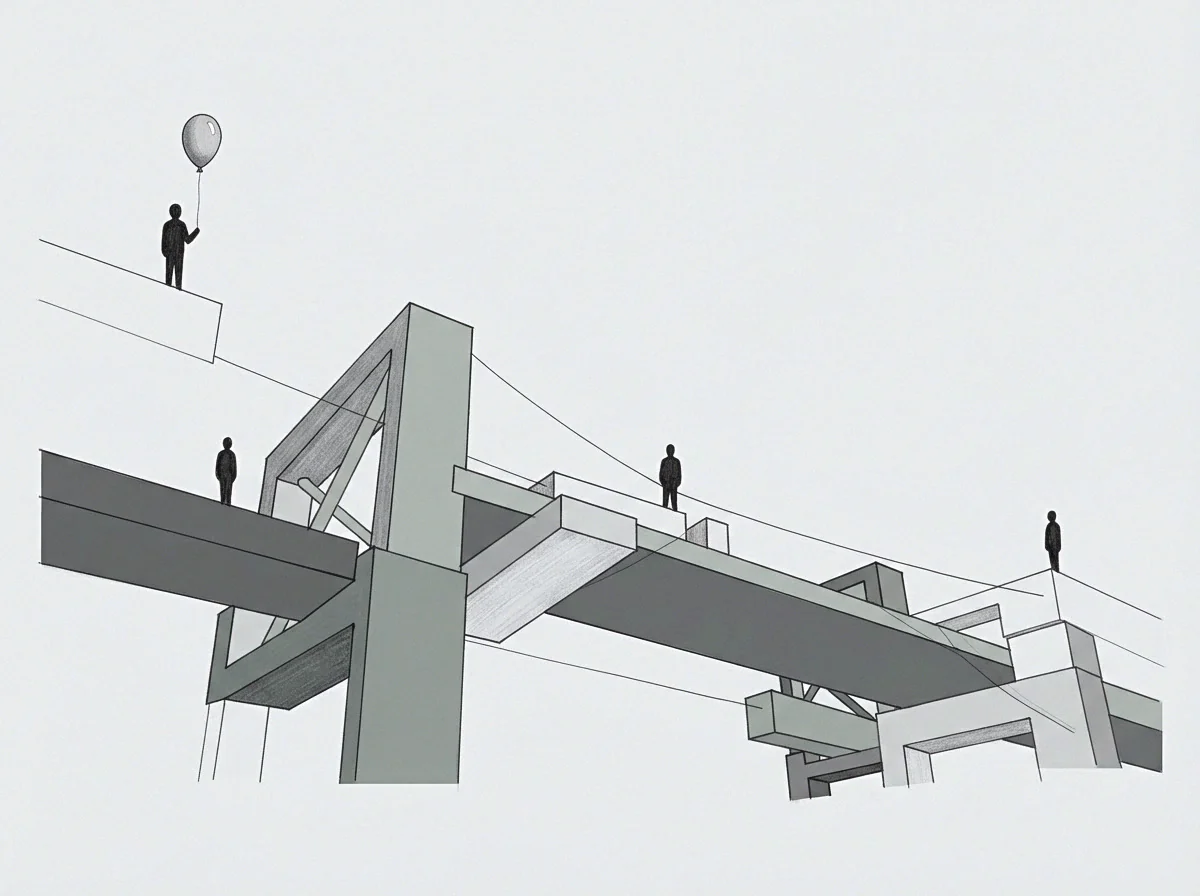
Surcharge
Continuous solitary regulation keeps the autonomic nervous system in persistent sympathetic activation, building a cumulative physiological burden known as allostatic load. Under standard co-regulated conditions, social signals like shared eye contact, tone modulation, and physical presence activate the ventral vagal complex, promoting cardiac deceleration and recovery. In isolated executive seats, these restorative social cues are missing.
As the autonomic baseline shifts upward, astroglial cells in the central nervous system exhaust local glycogen stores to sustain high-frequency prefrontal firing. Over extended durations, this localized energy shortage forces prefrontal cortical throttling. The brain intentionally reduces the bandwidth of higher-order executive processing to conserve remaining systemic glucose, leading to reduced cognitive flexibility, increased risk aversion, and a diminished emotional range.
| Physiological Variable | Solitary Isolation Mode | Co-Regulated Proximity Mode |
|---|---|---|
| Glucose Utilization Rate | Elevated continuous prefrontal consumption | Optimized baselined consumption |
| Vagal Tone Activation | Suppressed dorsal/sympathetic bias | Elevated ventral vagal parasympathetic tone |
| Systemic Cortisol Slope | Flattened diurnal curve with high baseline | Steep restorative diurnal curve |
| Recovery Latency | Extended post-stressor recovery requirement | Rapid immediate return to baseline |
The data highlights the clear biological divergence between isolated and socially buffered operation. An isolated seat demands continuous bioenergetic expenditure simply to sustain baseline composure before any actual decision-making occurs.
When social proximity drops to zero, the brain reallocates metabolic resources toward continuous vigilance.
The biological system adapts to solitary executive seats by treating every unbuffered input as a potential structural threat. Neural architecture prioritizes immediate survival over expansive long-term strategic synthesis while metabolic debt accumulates silently.
Without relational proximity, routine governance becomes an exhausting biological expenditure.

Resonance
Subordinates and peers naturally gravitate toward an executive who maintains operational composure under severe pressure. Through emotional and autonomic attunement, individuals anchor their regulatory apparatus to the steady state of a stable leader. The executive provides borrowed regulation to the organization, allowing surrounding teams to lower their own bioenergetic costs of self-regulation.
This dynamic creates a structural asymmetry: while the organization relies on the leader’s emotional stability, the leader receives no reciprocal regulatory input from the environment, turning the seat into a one-way regulatory sink.
- Unreciprocated Regulation Sink where team members lower their stress by offloading volatile emotional states onto the central executive.
- Attunement Monopoly where organizational stability hinges entirely on the single steady bioenergetic state of the founder.
- Vigilance Amplification where the leader actively monitors the emotional baselines of direct reports while concealing personal energetic depletion.
- Co-regulatory Void where no structural peer exists within the immediate environment to offer reciprocal autonomic stabilization.
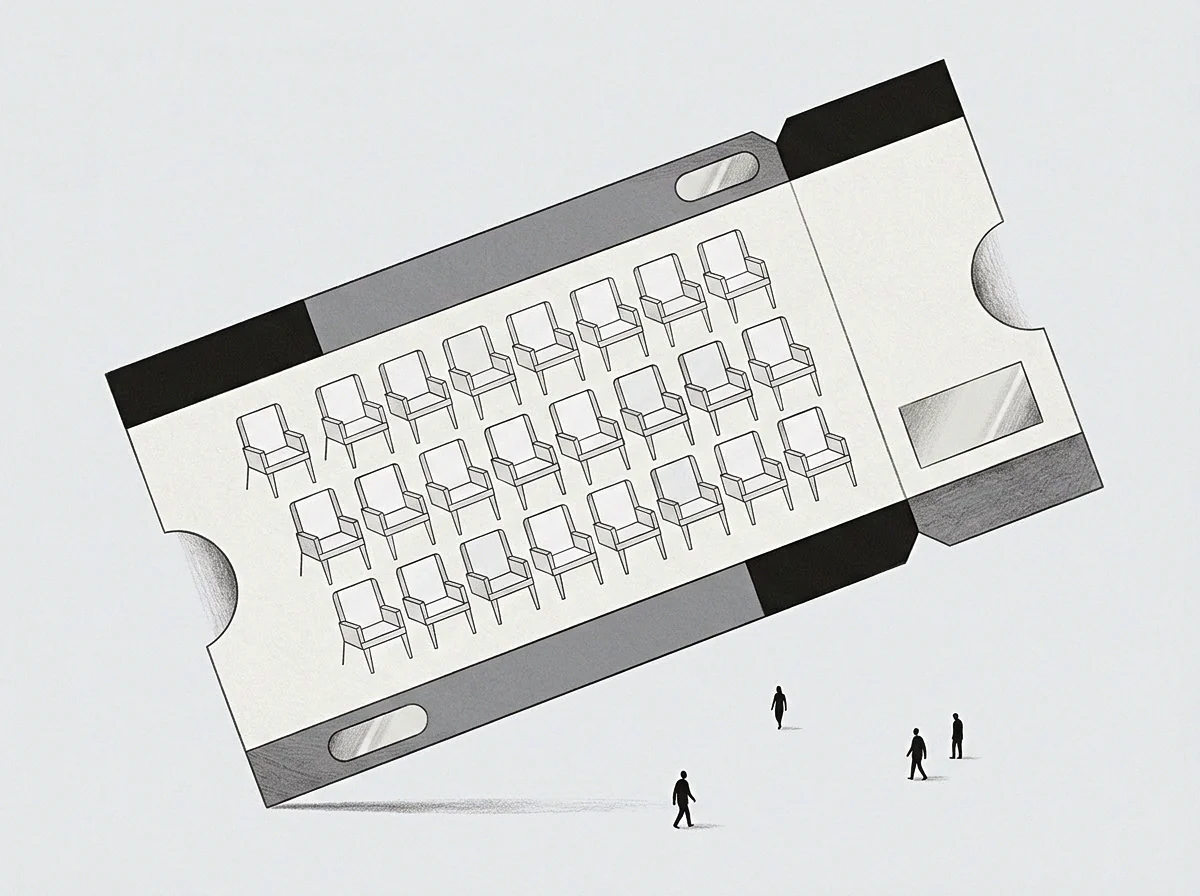
How Does Solitary Calm Mask Bioenergetic Depletion?
An executive appears steady precisely by absorbing and suppressing surrounding organizational chaos. The external environment reads this suppression as competence, reliability, and broad operational capacity, frequently leading the organization to assign additional strategic tasks and risk management duties to the person whose metabolic reserves are nearest exhaustion.
Attaching to a calm operator transfers the metabolic debt of regulation entirely onto the host.
The organization relies on the presence of an unwavering anchor, assuming leadership capacity regenerates spontaneously without relational inputs.
Teams often feel remarkably calm and structured whenever the executive enters the room.

Imprint
The capacity to endure isolated executive seats often traces back to an internalized relational template. An early requirement for self-reliance constructs an internal working model where the individual operates as their own sole responsive presence, combining the role of regulator and regulated into a single closed circuit.
People with this internal configuration frequently excel at establishing early-stage ventures, managing high ambiguity, sustaining prolonged solitary focus, and projecting calm without relying on external validation. However, this early adaptation omits the internal receptor capacity necessary to accept co-regulation from others.
- The individual internalizes the absolute requirement for self-sufficiency under environmental stress.
- External offers of support register as operational noise, risks, or systemic inefficiencies.
- The individual constructs isolated executive seats that replicate the familiar internal relational landscape.
- Relational proximity from peers feels uncomfortable, triggering defensive self-reliance mechanisms.
- The bioenergetic cost of maintaining the closed regulatory circuit eventually exceeds total metabolic output.
Isolation feels safe to an operator with this relational imprint, leaving the internal pattern unchanged.
The capacity to stabilize an organization without external support originates in an early template where support was absent.
When an executive operates entirely without a receptor slot for coregulation, what specific intervention can alter the structural nervous system before systemic metabolic exhaustion forces an operational exit?

Revision
Updating an established regulatory template requires repeated physical experiences of shared regulation rather than intellectual insight. Understanding bioenergetic costs intellectually does not alter autonomic function; earned security develops through deliberate, structured exposure to reliable relational proximity under active operational stress.
Executives need structured peer settings where reciprocal vulnerability and shared risk management occur without performance expectations. These environments act as testing grounds for updating the brain’s baseline assumptions about social safety, demonstrating that proximity reduces bioenergetic expenditure.
Introducing deliberate, high-reliability peer proximity re-establishes the evolutionary social baseline, allowing prefrontal cortical monitoring to downregulate safely.
This physiological shift registers as restored energy, increased cognitive breadth, and reduced baseline autonomic tension. Installing verified relational buffers transitions the role from solitary metabolic expenditure to sustainable, co-regulated leadership.
A verified co-regulatory relationship with an equal operational peer fundamentally lowers the daily prefrontal glucose requirement of executive oversight.