Meaning
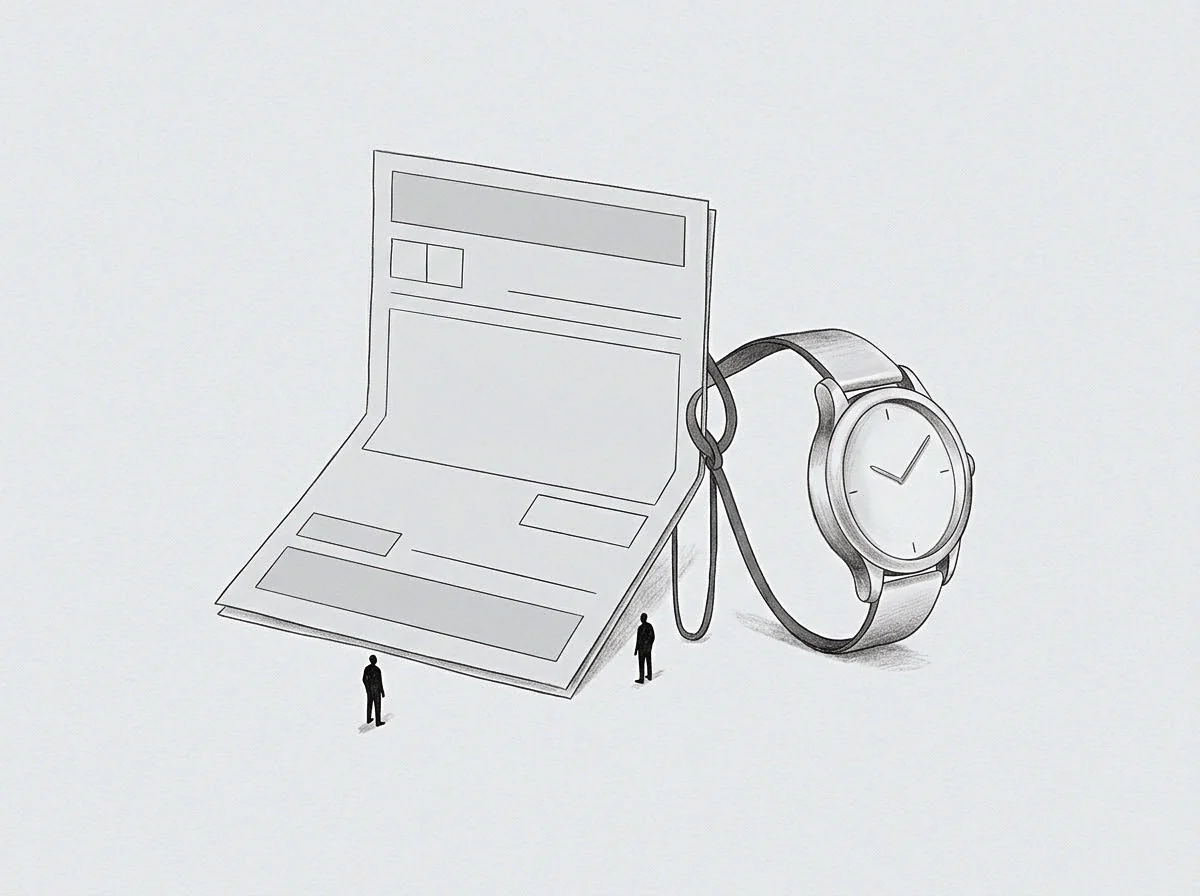
States of sustained exhaustion result from a persistent mismatch between work demands and personal resource recovery. Chronic stress leads to burnout when the physiological and mental load of a role exceeds the capacity of the person to reset. The condition appears as a reduction in efficacy and a withdrawal from the emotional requirements of the work.
It signifies the point where the allostatic load of a founder has surpassed their regulatory limits.
Cognitive Decay
Executive functions such as focus and decision making begin to fail under the weight of unremitting pressure. A person experiencing burnout often finds simple tasks require a disproportionate amount of attention and effort. The ability to plan for the long term disappears as the mind prioritizes immediate survival and the conservation of remaining energy.
Physical Cost
Sustained activation of the stress response system damages the underlying health of the individual. Symptoms of burnout include disrupted sleep patterns and a heightened susceptibility to illness or physical pain. Such effects are not merely psychological but represent a measurable decline in the biological systems of the body.
Systemic Failure
Organizations suffer when leadership capacity is lost to preventable exhaustion. Addressing burnout requires a change in the load distribution rather than a change in the person. When the structural demands of a post are too high, the resulting failure is a property of the role itself.