Meaning
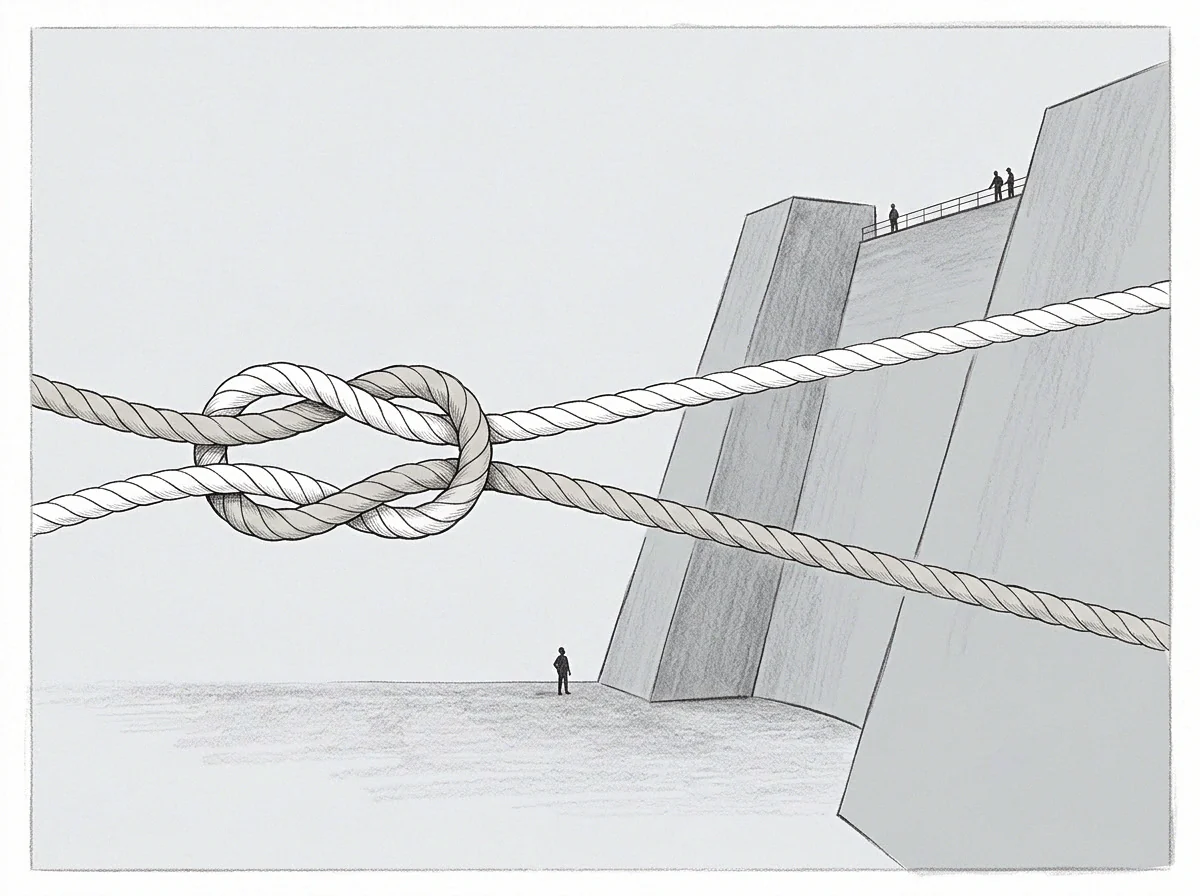
Capacity protection acts as a regulatory instrument designed to prevent the total exhaustion of a system through the advance reservation of operational buffers. This capacity protection functions by setting hard upper limits on resource utilization while maintaining a minimum reserve to absorb stochastic surges in demand. The boundary of this mechanism resides at the point where system stability is maintained despite erratic load patterns.
Reserve Allocation
Managing this overhead requires a clear distinction between active throughput and reserved bandwidth. Practitioners calculate the necessary margin by observing the peak latency experienced during periods of maximum concurrency. Adjusting these thresholds prevents cascading failures across connected sub-systems when input volume crosses the intended threshold.
Performance Constraint
Strict enforcement of these limits ensures that critical processes remain responsive under high load. A secondary effect occurs where lower priority tasks receive signals to delay or drop their requests rather than dragging the primary system into a deadlocked state. Operational consistency relies upon the ability to shed non-essential traffic precisely when the primary margin shows signs of depletion.
Systemic Threshold
Establishing these boundaries provides the predictability required for long-term resource planning in environments with high variance. Relying on an automated cutoff protects the core architecture from saturation that would otherwise require manual intervention and downtime. Successful implementation forces a clear prioritization of tasks because it dictates exactly which operations stop when the overhead reaches zero.