Meaning
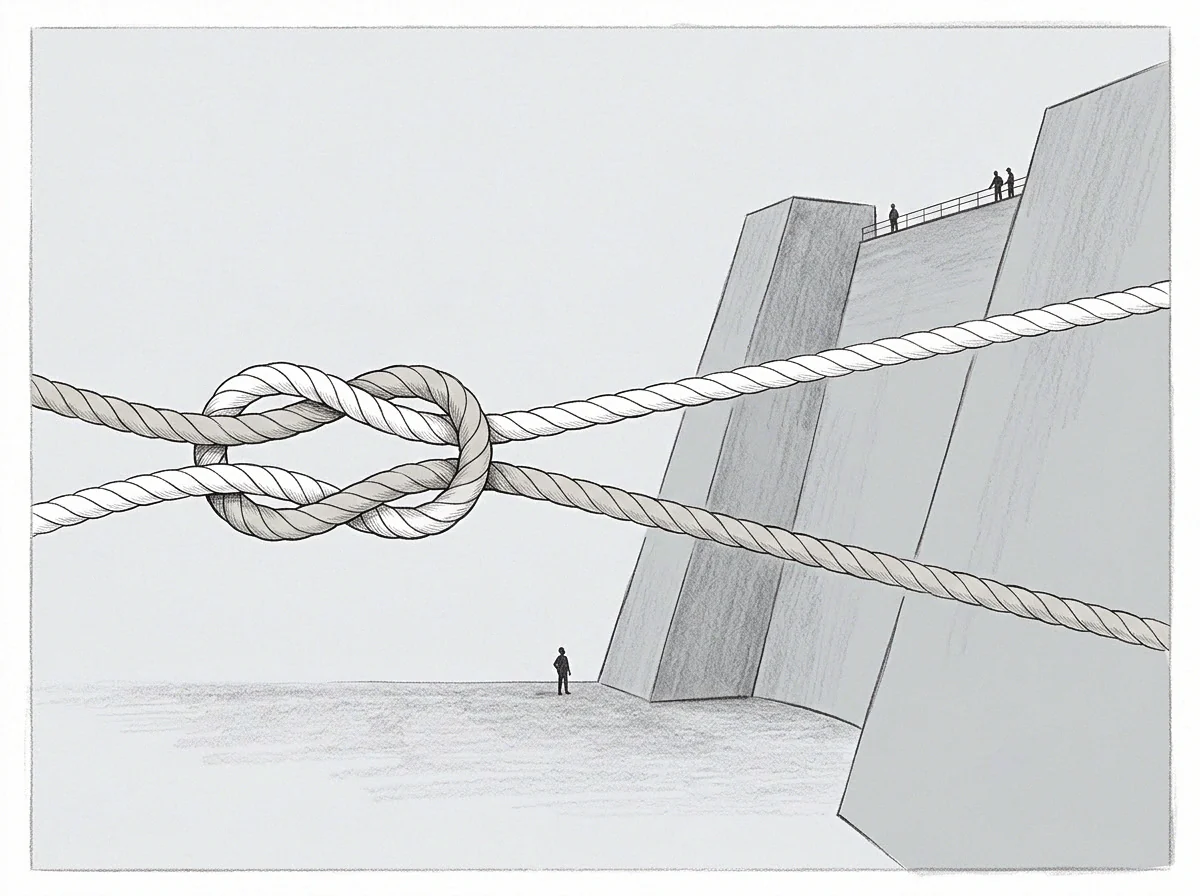
Chronic resistance occurs within the upper management layer when misaligned goals or communication gaps slow down the implementation of strategic decisions. High levels of executive friction create an invisible tax on the time and energy of a leader. This condition reduces the efficiency of every meeting and memorandum.
Friction Point
Disagreements over the allocation of resources often produce this specific type of drag. If the executive friction is left unaddressed, the company moves slower than the market requires. A person in the founder seat must spend extra capacity to mediate disputes instead of focusing on growth.
Strategic Drag
The cost of this resistance is measured in the delay between a decision and its execution. When executive friction becomes the norm, the staff begins to wait for clear signals that may never arrive. This waiting period is a direct loss of organizational momentum.
Conflict Resolution
Managing these tensions requires a formal process for resolving disputes among senior staff. The executive friction stops being a threat when the leadership team adopts a shared standard for handling disagreements. Without such a standard, the personal cost to the founder becomes unsustainable.
The time lost to internal politics is time taken away from the external growth of the enterprise. Every hour spent on mediation is an hour of lost focus.