
Diurnal Cortisol Slope Flattening as an Indicator of Cognitive Capacity Loss
Flattened diurnal cortisol curves reflect chronic endocrine adaptation that degrades prefrontal cortex working memory headroom and executive control.

Clock
At four in the afternoon, six unresolved vendor decisions remain pending on a screen while basic working memory stalls during simple spreadsheet calculations. The founder sits immobile in the office chair, staring at a straightforward line item that took thirty seconds to evaluate two months prior. This inability to choose is not a technical failure or a loss of commitment.
Systemic neuroendocrine exhaustion has consumed the physiological bandwidth required for complex evaluation. The body uses a precise adrenocortical rhythm to allocate cognitive resources across waking hours.
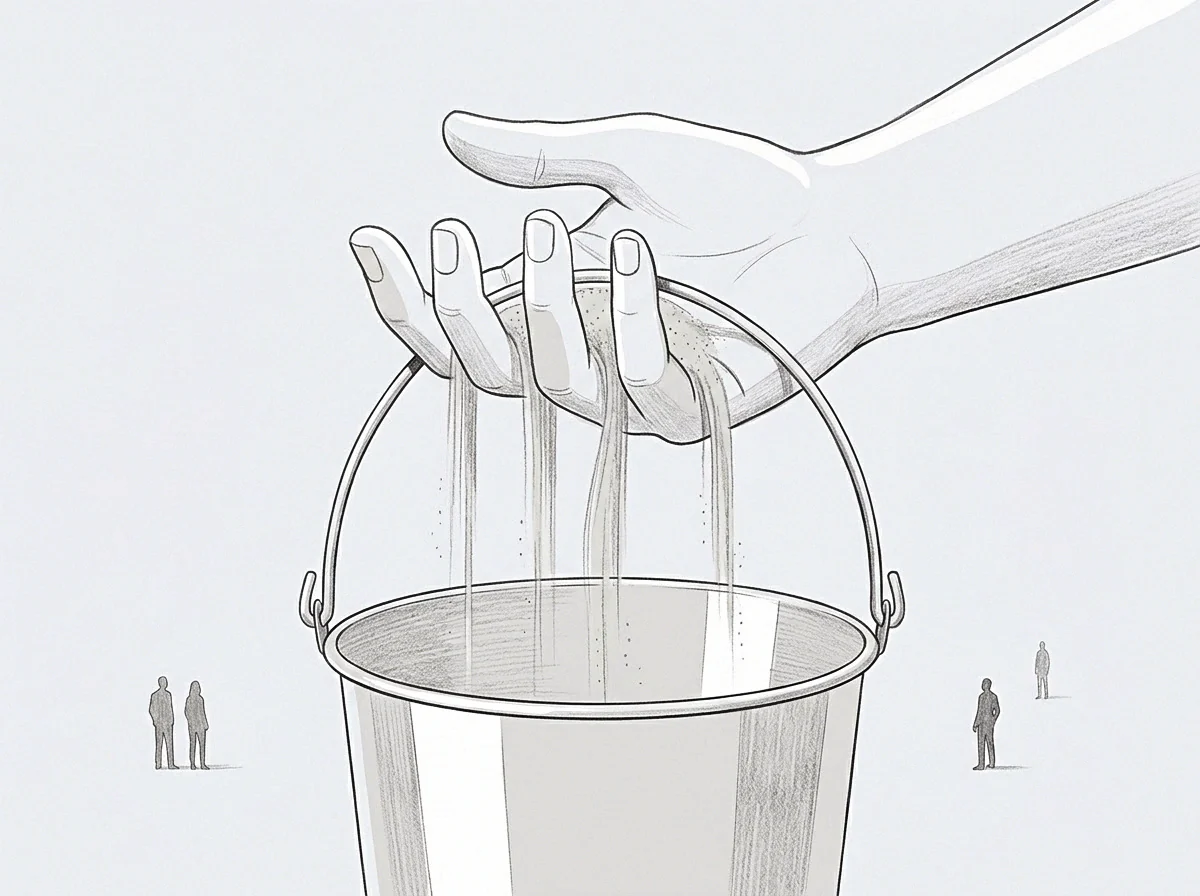
Circadian Endocrine Architecture
Adrenocortical steroid secretion follows a temporal pattern governed by the central pacemaker in the suprachiasmatic nucleus. In a healthy neuroendocrine profile, circulating cortisol concentrations follow a diurnal trajectory that begins with a rapid surge known as the cortisol awakening response, peaking thirty to forty-five minutes after waking. This morning surge elevates glucocorticoids to their highest daily concentration, preparing frontostriatal brain networks for prospective memory demands, strategic planning, and emotional regulation.
Over the following hours, adrenal release decays along a steep downward curve. By late evening, circulating hormone levels reach an absolute nadir, allowing high-density glucocorticoid receptor sites in the hippocampus and prefrontal cortex to clear. The wide gap between morning peak and evening trough reflects physiological flexibility and allostatic capacity.
When chronic endocrine activation elevates evening baseline systemic cortisol, the diurnal drop flattens and prefrontal working memory headroom shrinks.

Diurnal Slope Attenuation Mechanics
Hypothalamic-pituitary-adrenal axis dysregulation alters the standard twenty-four-hour glucocorticoid curve. Under sustained regulatory demand, the body adapts through altered negative feedback sensitivity. Chronic physiological load manifests in two curve alterations: a blunted morning cortisol awakening response and an elevated evening trough.
The distance between morning peak and nocturnal nadir compresses into a flattened diurnal slope. Adrenal production follows hypothalamic signaling. When night cortisol levels remain chronically elevated, the temporal drop fails to materialize.
This lost diurnal differential alters central nervous system functioning, shifting neural processing from high-capacity prefrontal networks to primitive subcortical structures.
An evening cortisol elevation exceeding three standard deviations above baseline converts high-level strategic reasoning into simple reactive processing.

Wear
Sustained high corticosteroid concentrations induce structural modifications within frontostriatal networks. Prefrontal cortex neurons express high densities of high-affinity mineralocorticoid receptors alongside lower-affinity glucocorticoid receptors. When the diurnal slope flattens and evening hormone concentrations stay elevated, glucocorticoid receptors experience continuous occupation.
This saturation alters downstream gene transcription, dampens synaptic plasticity, and induces dendritic retraction within apical arborizations of pyramidal cells in the dorsolateral prefrontal cortex. Meanwhile, the basolateral amygdala exhibits dendritic hypertrophy and heightened reactivity. The brain reorganizes its architecture, sacrificing long-range integration to protect survival functions.
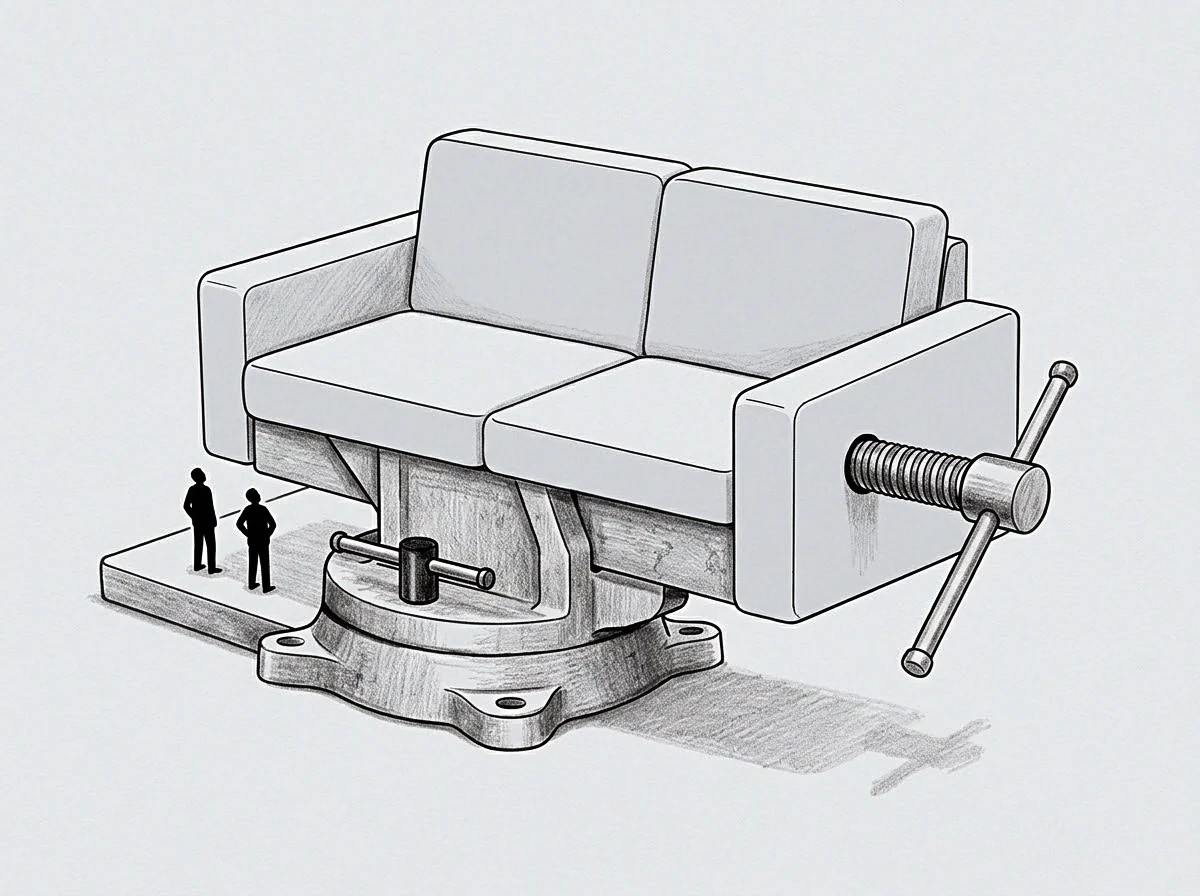
Prefrontal Receptive Sensitivity Loss
Glucocorticoid binding sites in cortical tissue decrease in density under continuous hormonal flooding. This downregulation represents a protective physiological adaptation against neurotoxicity, but it directly degrades prefrontal functional capacity. Executive working memory relies on sustained, localized recurrent excitation within prefrontal microcircuits to hold information online without environmental cues.
When glucocorticoid signaling stays elevated, extracellular glutamate dynamics change, destabilizing persistent neural firing. The capacity to maintain multiple active operational parameters collapses, leaving the brain unable to isolate competing options or suppress non-relevant stimuli.
| Physiological State | Awakening Surge (CAR) | Evening Basal Nadir | Diurnal Slope Delta | Prefrontal Slot Headroom | Executive Switching Cost |
|---|---|---|---|---|---|
| Healthy Circadian Rhythm | Robust (+50 to +75%) | Low (<2.0 nmol/L) | Steep (>0.35 log units) | Optimal (4-5 open channels) | Baseline low metabolic load |
| Acute Adaptive Stress | Elevated (+100%) | Transiently elevated | Preserved steep decline | Temporarily restricted | Moderate localized strain |
| Chronic Throttled State | Blunted (<20% surge) | Elevated (5.0-9.0 nmol/L) | Flattened (<0.12 log units) | Degraded (1-2 open channels) | Severe metabolic penalty |
| Exhausted Hypocortisolemia | Flat / Absent | Flat across 24 hours | Near zero delta | Depleted (0 channels) | Systemic task initiation block |

Working Memory Slot Degradation
Neural networks supporting task-relevant information maintenance experience functional capacity reductions during chronic glucocorticoid elevation. Cognitive headroom demands periodic recovery. Assume an operator holds active decision authority across six unhedged functional areas for eighteen months, and baseline salivary cortisol collection shows a flattened diurnal slope with an evening elevation of eight nanomoles per liter.
Under these conditions, dorsolateral prefrontal activation during complex working memory tasks decreases significantly compared to non-stressed baselines. The operator experiences this neurobiology as a hard ceiling on throughput. Tasks requiring simultaneous manipulation of financial models, legal risk assessment, and personnel allocation become impossible to execute concurrently as the physiological system throttles cognitive capacity to enforce metabolic conservation.
Unmitigated evening basal elevation triggers prefrontal glucocorticoid receptor downregulation, reducing working memory capacity.
Treating prefrontal receptor downregulation as a failure of personal discipline increases physiological wear while accelerating cognitive capacity loss.

Throttle
Physiological downregulation frequently presents as clinical affective dysfunction in organizational settings. When an executive or founder experiences diurnal slope flattening, observers often misinterpret the resulting cognitive capacity loss as major depressive disorder or reduced motivation. The two states possess distinct neuroendocrine signatures.
Primary clinical depression typically features systemic hypercortisolemia with preserved or exaggerated evening elevation, or central hypothalamic drive failure. Physiological throttling under chronic load represents an adaptive neuroendocrine suppression mechanism that protects basic brain operations as systemic wear accumulates. Capacity drops before failure occurs; the individual maintains full affective range and desire to achieve goals, but lacks the prefrontal headroom to process complex, unhedged operational inputs.
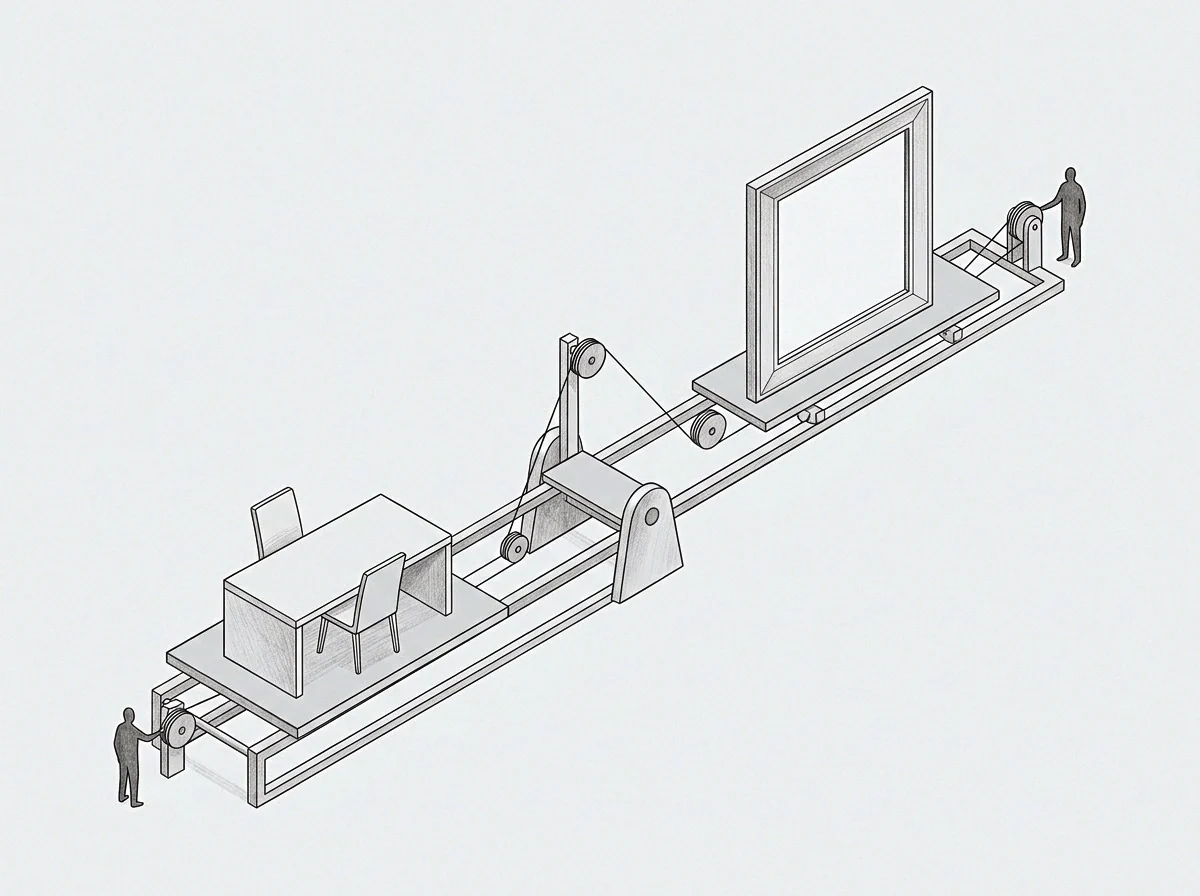
The Depression Diagnostic Misreading
Standard clinical screens confuse systemic neuroendocrine capacity limits with primary major depressive disorders. A throttled executive sitting before an unexecuted strategic document is not suffering from anhedonia or cognitive apathy. The core mechanism is a severe reduction in working memory slot availability driven by diurnal cortisol slope flattening.
The person wants to solve the problem, holds the requisite domain knowledge, and understands the urgency. Prefrontal microcircuits simply lack the signal-to-noise ratio required to maintain complex mental representations against background neuroendocrine noise. Subjecting a throttled operator to standard psychiatric interventions without addressing the underlying circadian regulatory load fails to restore cognitive function.
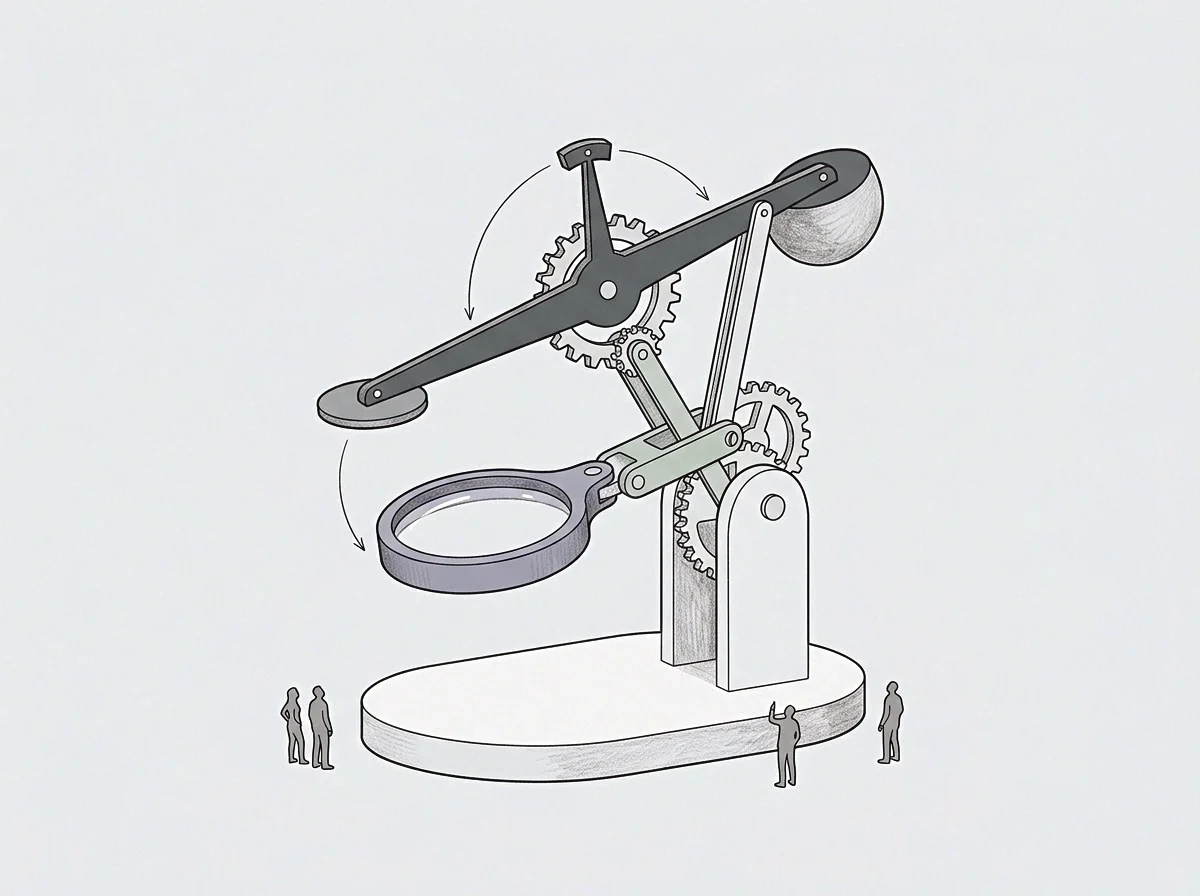
Where Does Prefrontal Headroom Collapse During Chronic Open Loops?
Unterminated cognitive tracks maintain low-grade autonomic arousal long past the end of the formal workday. When operational projects lack clear scope boundaries, hard completion dates, or explicit terms of failure, the brain treats those items as active survival threats. The hypothalamic-pituitary-adrenal axis remains continuously stimulated throughout the evening, preventing the mandatory drop in circulating cortisol.
- Unbounded Decision Authority keeps the central hypothalamic pacemaker in continuous high-arousal mode, preventing nocturnal glucocorticoid clearance and elevating basal nadir levels.
- Unhedged Financial Guarantees drive sustained amygdalar activation, overriding cortical negative feedback loops that normally terminate evening corticosteroid synthesis.
- Continuous Communication Availability generates frequent, unpredictable micro-spikes in autonomic arousal, disrupting the parabolic decay of late-day hormone secretion curves.
- Ambiguous Partner Contracts force continuous background scenario generation, consuming working memory slots during hours meant for neuroendocrine baseline restoration.
Systems operating at neuroendocrine ceiling preserve baseline survival functions while shedding high-order strategic integration.
A system operating at neuroendocrine capacity restores working memory slots only after evening adrenal secretion returns to baseline.

Friction
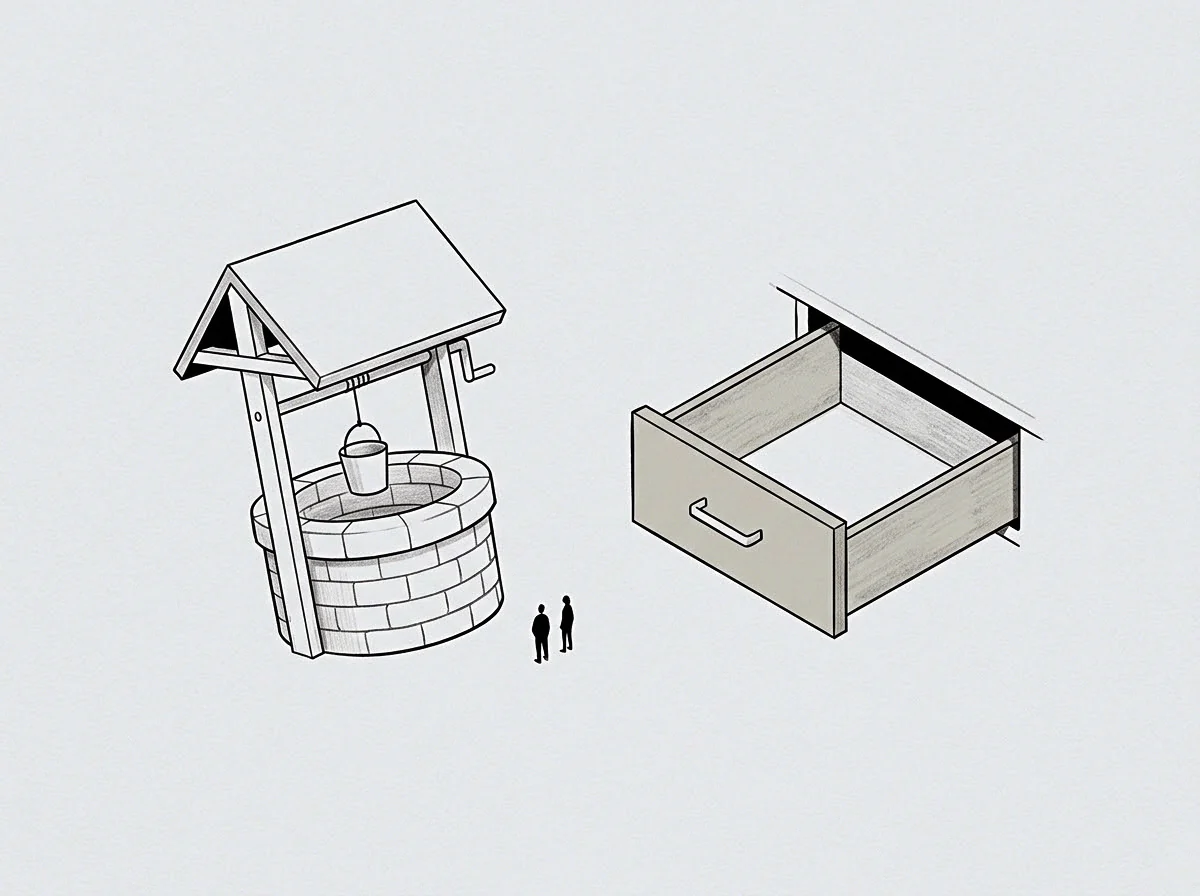
Operational output changes character when neuroendocrine reserves drop below baseline thresholds. A loss of diurnal cortisol slope steepness produces observable behavioral changes long before complete physical collapse. The earliest sign is a rapid degradation in context-switching ability.
In a healthy state, an operator moves between legal contracts, product architecture, and investor conversations with low cognitive switching costs. When evening cortisol levels elevate and prefrontal receptors downregulate, every task transition leaves substantial cognitive residue. The operator spends tens of minutes attempting to reorient to a new domain, consuming remaining glucose reserves through inefficient neural firing.
Executive Control Strain
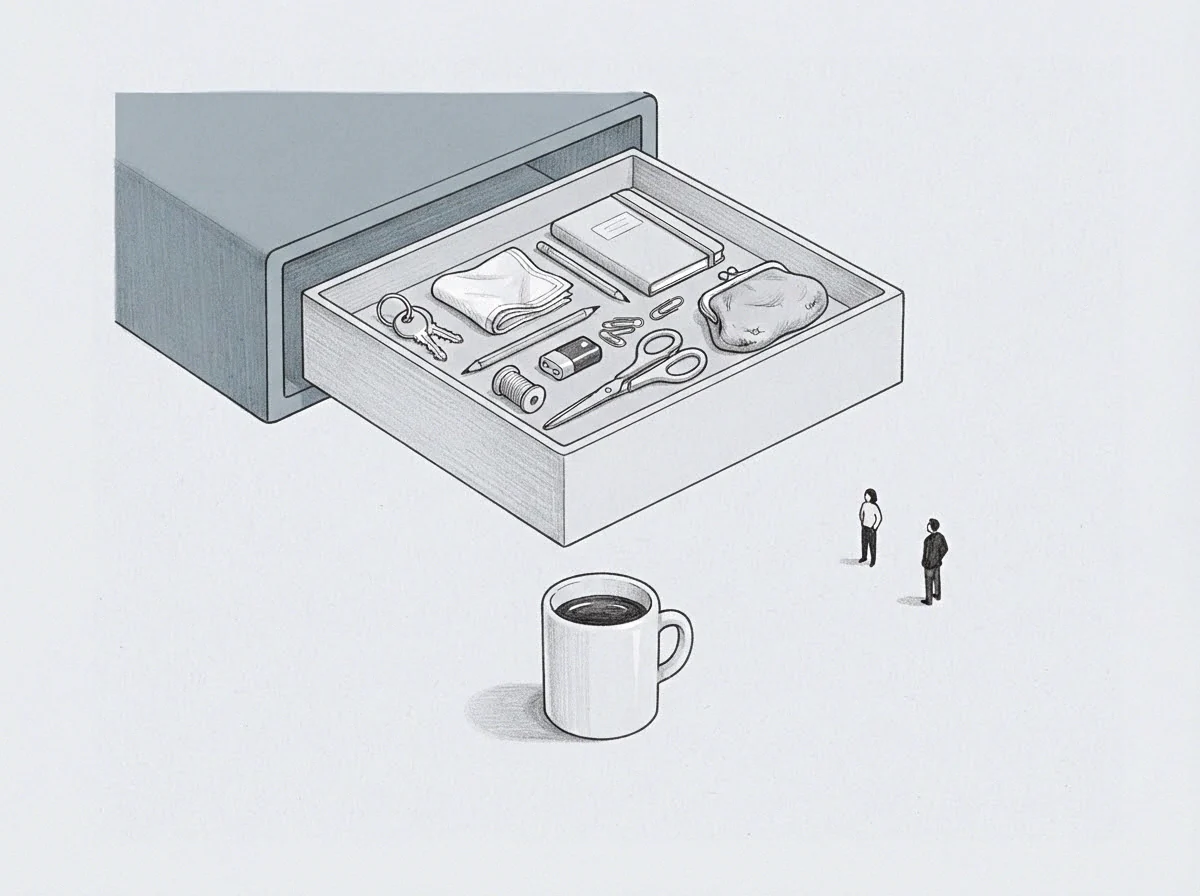
Complex decision-making requires active inhibition of immediate impulses and sustained spatial temporal tracking. Unhedged loops drive nocturnal secretion that consumes physiological bandwidth as the prefrontal cortex sheds capacity. As diurnal slope flattening progresses, the operator shifts from proactive strategic shaping to strict reactive pattern-matching.
Long-term forecasting stumbles because holding prospective temporal scenarios online requires robust prefrontal recurrent excitation. The founder relies on historical heuristics, offloads choices to subordinates, or postpones decisions indefinitely, bringing on decision fatigue before midday.
Relational Regulation Costs
Social interaction relies heavily on prefrontal attenuation of amygdaloid threat processing. When diurnal cortisol slope flattening degrades prefrontal control, social baseline coregulation fails. The operator can no longer absorb emotional volatility from team members, partners, or counterparties.
Interpersonal communication converts into a source of pure physiological load.
- The operator stops initiating complex strategic negotiations, confining daily activities to simple administrative tasks.
- Patience for ambiguous or poorly structured updates vanishes, resulting in irritable demands for immediate binary resolutions.
- Empathy reserves clear completely as the subcortical threat detection apparatus interprets external demands as survival risks.
- The individual withdraws from active organizational coregulation, leaving operational leadership seats functionally vacant.
Late afternoon decision paralysis marks an exhausted prefrontal slot rather than a flaw in strategic commitment.
The operational breakdown appears as sudden disinterest rather than as physiological exhaustion.
Floor
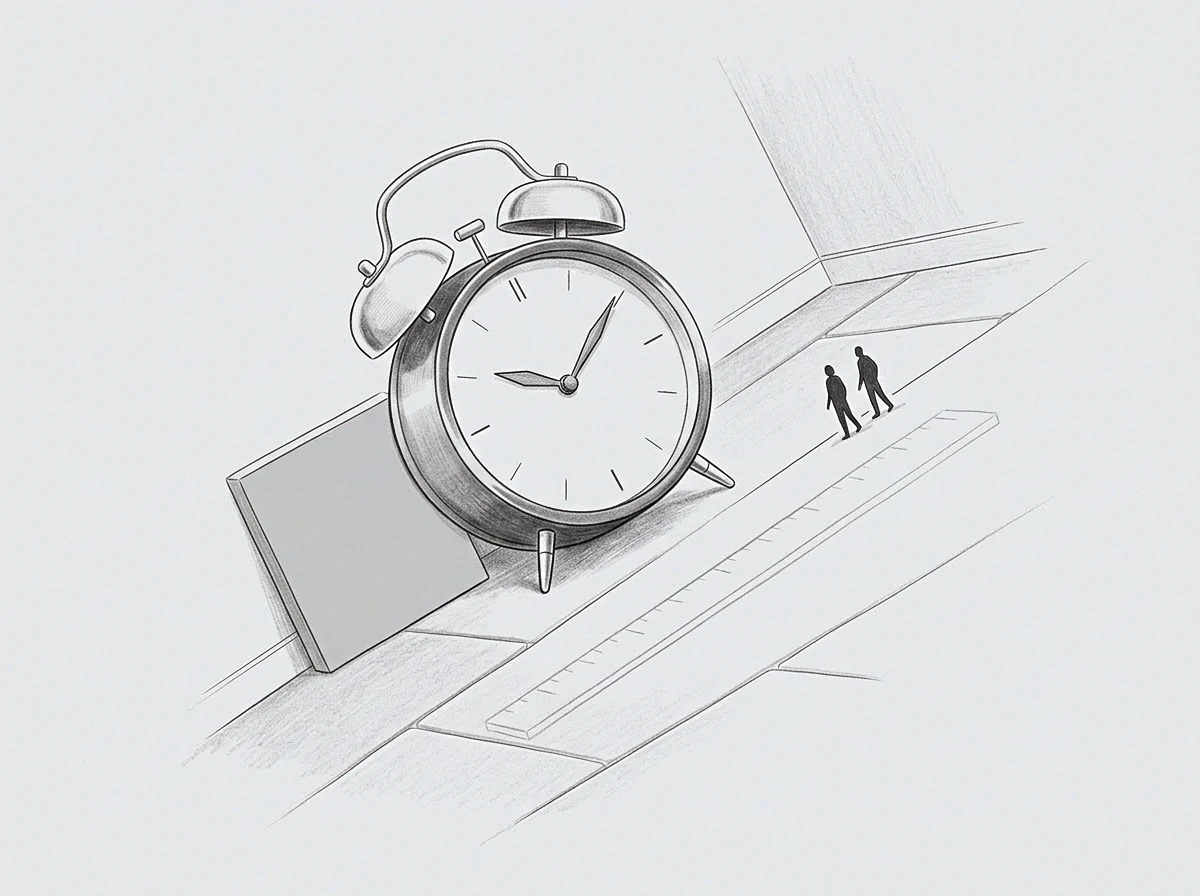
Restoring circadian hormone rhythms demands strict operational boundaries around active decision channels. The human nervous system cannot recover steep diurnal cortisol slopes through cognitive framing, positive reframing, or intellectual effort. Recovery requires the physical reduction of evening regulatory load to allow nocturnal hormone concentrations to reach baseline nadir levels.
Structural gates protect evening recovery, where resting levels define the floor and gated tracks cost zero slots. This moves the burden of regulation from internal prefrontal inhibition to explicit, external system constraints.

Structural Gating Protocols
Bounding incoming demand converts open-ended operational obligations into discrete, time-bound tracks. An unhedged loop must receive explicit scope, a hard determination date, and stated failure terms to cease costing a working memory slot. When an open issue gets assigned a firm decision point five days in the future and its intermediate status is fully parked, the brain drops its active threat tracking.
Late afternoon adrenocortical activation falls. The founder establishes hard asynchronous communication cutoffs at six in the evening, blocking unpredictable incoming inputs that trigger autonomic micro-spikes. Protecting the nocturnal cortisol trough allows prefrontal glucocorticoid receptors to re-sensitize overnight.
Restoring Circadian Headroom
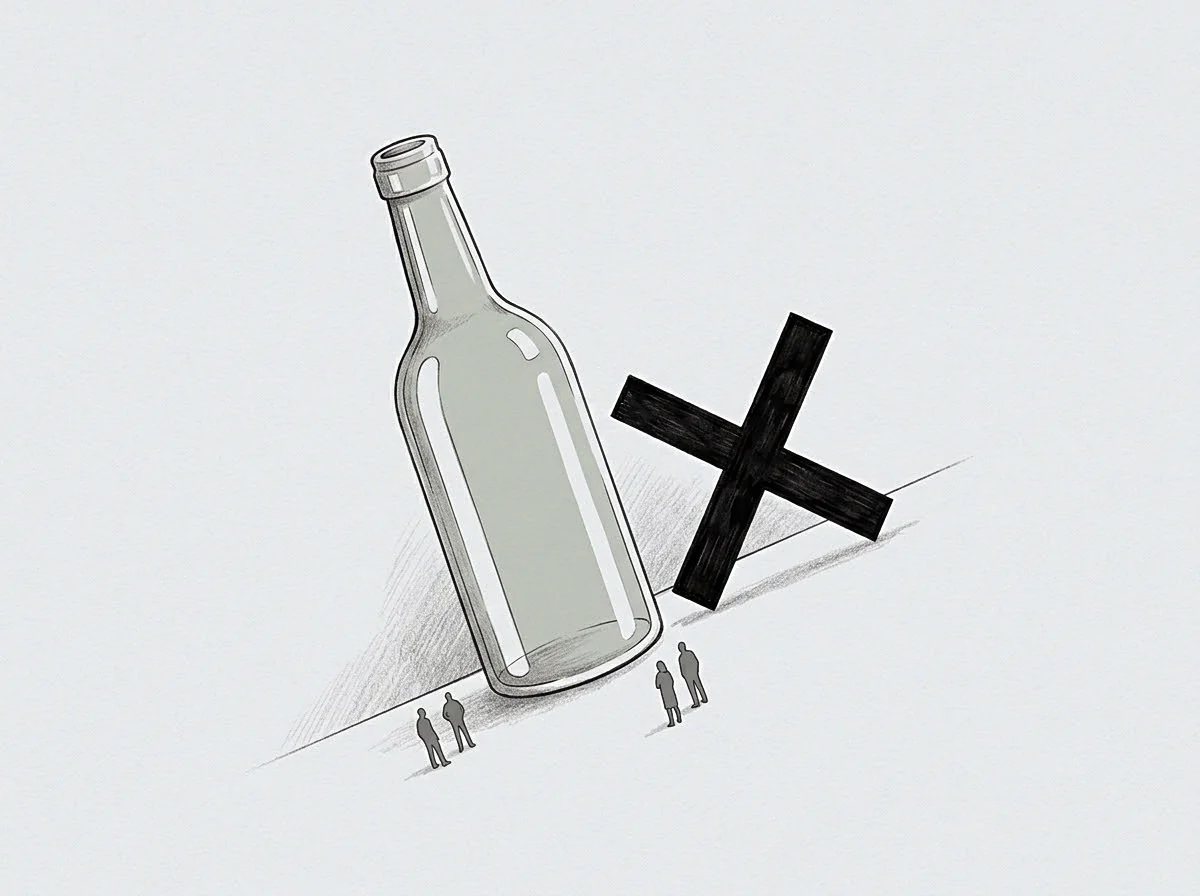
Systemic recovery depends on re-establishing the absolute magnitude of the morning corticosteroid peak relative to nighttime levels. Morning light exposure, early baseline movement, and precise temporal work blocks re-anchor the suprachiasmatic nucleus central clock. Operational work schedules must mirror the natural slope of the neuroendocrine system: high-complexity strategic integration and difficult interpersonal coregulation concentrated in the two hours following the cortisol awakening surge, followed by progressive scaling down of executive demand as the day advances.
The precise duration of circadian restoration required to reverse prefrontal glucocorticoid receptor downregulation under continuous operational demand remains undetermined.