Meaning
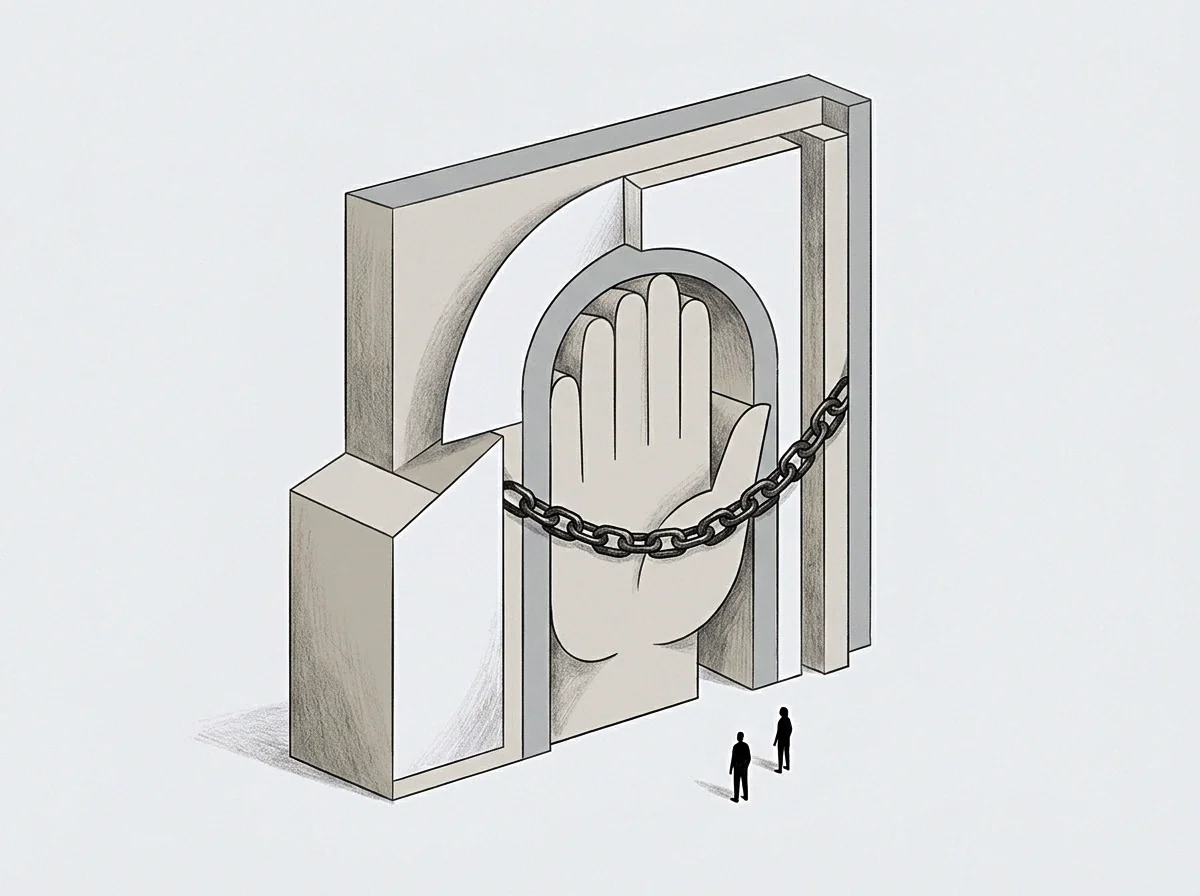
A predefined threshold of human or operational throughput determines when an organization must redirect or pause incoming work. These capacity setpoints represent the planned limits of sustainable performance within a specific period. They are calculated based on historic output and expected baseline stability.
When current demands cross these values, the system triggers prearranged mitigation actions.
Dynamic Allocation
Adjusting the flow of tasks depends on active monitoring of current operating levels. When capacity setpoints are approached, resource managers must shift focus from long term projects to immediate triage. This shift diverts attention from growth to survival.
It forces a temporary reallocation of hours to maintain service continuity.
Structural Friction
Establishing limits introduces a structural resistance that prevents teams from taking on infinite obligations. Although capacity setpoints protect long term productivity, they create tension with commercial teams that want to maximize output. This conflict requires constant mediation.
The cost is paid in meetings and negotiation cycles that consume leadership attention, which reduces the time spent on design or strategy.
System Tolerance
Operational boundaries cannot remain fixed during periods of unexpected crises. In high stress events, capacity setpoints must temporarily expand to prevent immediate failure. This stretch is a limited resource that cannot be maintained for long without causing burn out.
Sustainability depends on returning to the baseline quickly.