
Determining Concurrency Limits For Load Transfer In Expanding Management Systems
Concurrency limits in expanding management systems are determined by setting hard limits on parallel task intake based on human state capacity.

Ceiling
Four operational handovers land simultaneously on a single executive desk at seven in the evening, each carrying an expectation of immediate decision. Context switching across disparate operational units degrades working memory and elevates the physiological cost of regulation. An expanding management layer frequently treats supervisory attention as infinitely divisible, accepting parallel inputs until execution speed drops to zero.
System capacity reaches saturation long before an operator acknowledges exhaustion.
Load transfer functions through specific human setpoints. When internal setpoints break down, intake stops without warning, leaving incoming operational dependencies stranded in transit.

Parallel Queue Saturation in Expanding Leadership
Operational units in high-growth entities push decisions upward whenever local authority encounters ambiguity. This behavior shifts task ownership onto senior leadership, increasing parallel thread counts beyond manageable setpoints. Parallel intake saturation occurs when incoming demands outpace the rate at which an individual can assess, process, and reallocate tasks.
Every active thread retained in memory draws continuously on attentional resources. In systems undergoing rapid scaling, management layers routinely run eight to twelve high-concurrency loops simultaneously. Laboratory measurements of cognitive task-switching demonstrate that operational efficiency drops exponentially with each additional parallel stream held past three.
Concurrent load intake past individual processing setpoints causes catastrophic queue latency rather than linear slowdown.

Cognitive Allostatic Thresholds Under Concurrent Intake
The human physiological system manages incoming operational demands through adaptative regulatory mechanisms. Prolonged maintenance of elevated cognitive activity elevates allostatic load, altering metabolic spending and executive functions. When allostatic load remains at capacity for extended periods, decision quality deteriorates while reaction latency rises.
Systems that rely on continuous individual regulation rather than structural boundaries run high failure risks. Operators attempt to absorb incoming load through personal effort, ignoring clear signals of operational congestion. Treating human capacity as an elastic buffer creates hidden dependencies that fail abruptly when load spikes occur.
Unmanaged intake capacity shifts systemic risk directly onto key personnel, resulting in operational paralysis when critical decision loops collapse under simultaneous demands.

Wire
Operational signaling channels deliver incoming tasks regardless of recipient capacity. Message volume and task submission rates reflect sender needs rather than processing capacity at the receiving end. Without explicit throttling protocols, inbound communication channels flood executive channels during periods of rapid operational expansion.
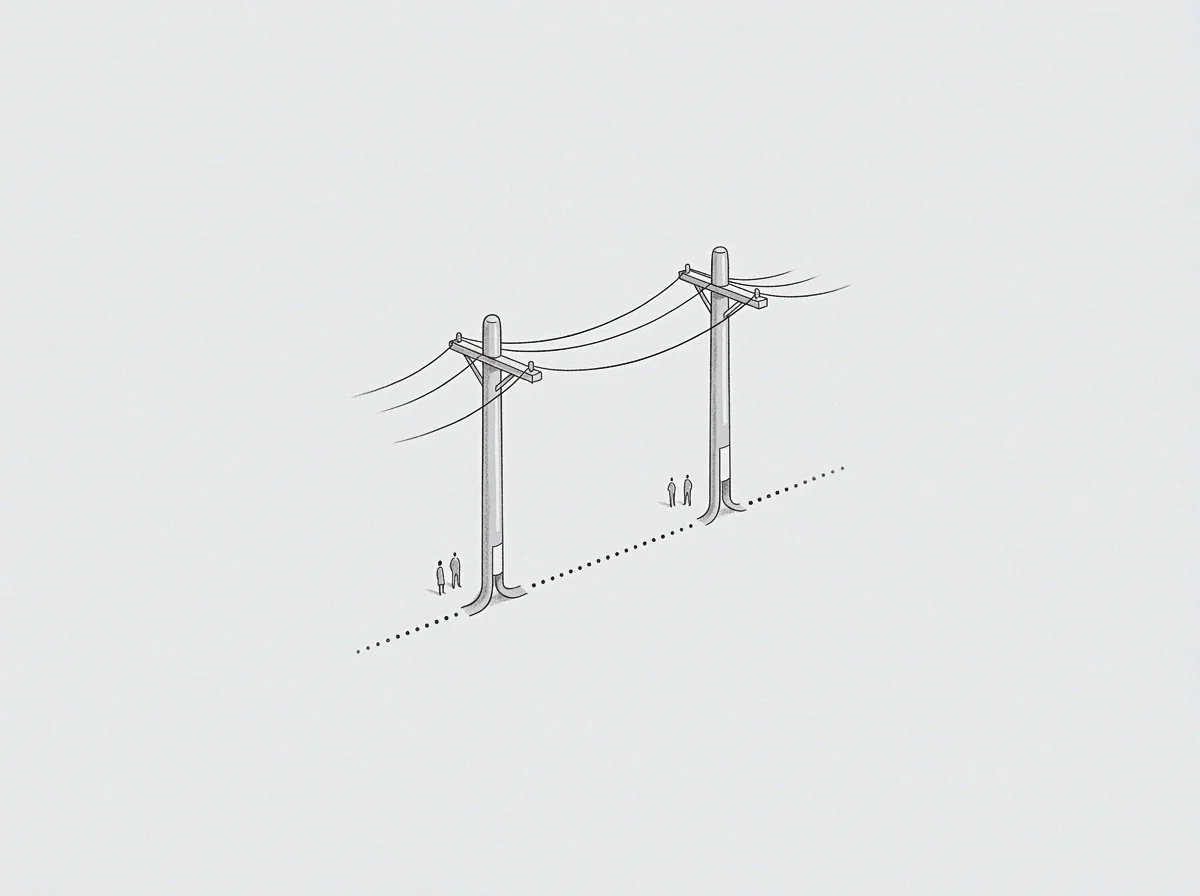
Where Does Unthrottled Expansion Create Hidden Queue Saturation?
High communication density creates an illusion of high productivity while hiding underlying execution bottlenecks. As message frequency rises, task intake transitions from deliberate prioritization to reactive triage. The management system begins operating in a state of continuous interruption, preventing deep analytical processing.
Uncontrolled thread creation generates operational queue buildup across three distinct layers:
- Inbound communication flooding occurs when direct message channels become default repositories for unstructured operational requests.
- Unfiltered escalation loops arise when intermediate managers transfer unresolved operational friction directly upward without preliminary triage.
- Concurrent approval bottlenecks happen when critical path operations stall while waiting for single-point sign-offs from overloaded executives.

State Gated Latency Versus Decision Gated Execution
System acts divide cleanly into state-gated acts and decision-gated acts. A decision-gated act relies purely on executive choice and moves forward the moment a directive issues. A state-gated act depends on underlying system readiness, structural headroom, and available bandwidth.
No amount of deliberate executive choice pushes a state-gated act through an unready system.
Attempting to resolve state-gated bottlenecks through increased decision frequency compounds queue congestion. When operational load exceeds structural limits, forcing decisions creates fragile directives that stall during implementation.
What structural mechanisms prevent incoming operational queues from expanding indefinitely during periods of rapid organizational growth?

Bench
Comparative analysis reveals that management architectures handle load transfer through fundamentally different mechanics. Uncapped intake systems rely on constant individual intervention, whereas structured concurrency systems enforce clear transfer limits. Evaluating systemic resilience requires measuring throughput performance across varying levels of incoming load.
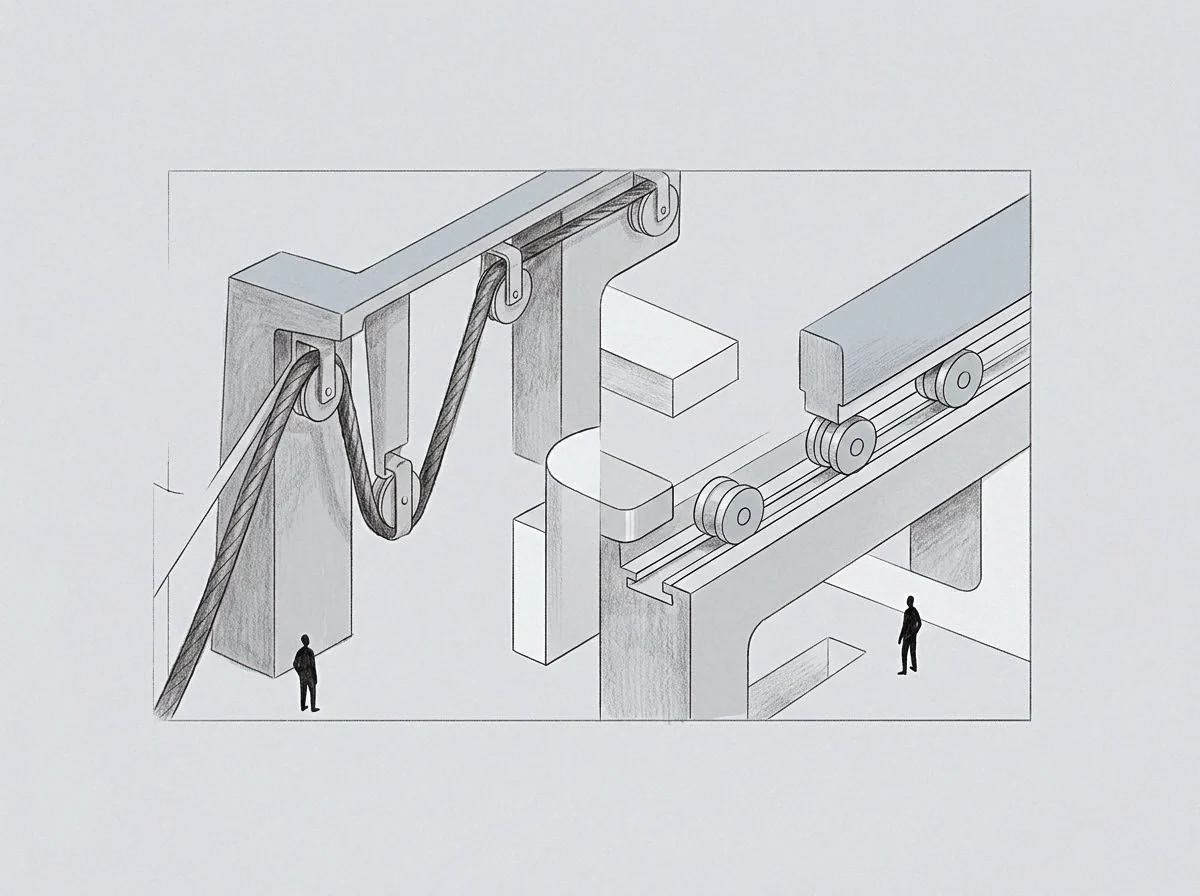
Evaluating Throughput Regimes Across Scaled Operations
The choice of load transfer protocol dictates system throughput under expansion. Unbounded transfer creates high baseline latency and severe operator fatigue during demand spikes. Batch transfer protocols introduce slight scheduling delay but maintain consistent execution quality.
| Transfer Regime | Queue Latency | Error Rate Under Load | Operator Allostatic Strain | System Recovery Time |
|---|---|---|---|---|
| Uncapped Ad-Hoc Transfer | High and Variable | Extreme Spike | Severe Continuous | Extended Latency |
| Fixed Queue Window | Moderate Bounded | Low Standard | Moderate Controlled | Rapid Restoration |
| State-Gated Batch Transfer | Predictable Scheduled | Minimal Baseline | Low Sustainable | Immediate Settlement |
Concurrency control requires setting clear limits on simultaneous active threads rather than attempting to accelerate individual task processing speeds.
Establishing hard concurrency bounds changes operational dynamics from reactive firefighting to controlled execution streams. When incoming load meets a stated concurrency ceiling, extra tasks remain in external queues until processing capacity frees up.
Implementation of fixed queue windows changes inbound message velocity into a manageable operational sequence.

Latch
Enforcing concurrency limits relies on setting clear structural limits rather than making repeated personal refusals. A stated limit serves as an objective structural constraint within management systems. When limits exist purely as personal preferences, incoming demands continue pushing until structural resistance occurs.

Deriving Operational Availability Through Stated Boundaries
Availability is derived by counterparties through observed system behavior rather than broadcast announcements. Unrestricted access policies invite continuous thread creation, while explicit operational terms define available transfer capacity. Availability derived from clear structural costs creates natural load distribution across teams.
Management systems that define precise terms for task transfer force originators to refine requests before submission. Refined inputs reduce intake friction and shorten resolution cycles.
- Define explicit intake windows for operational task transfer.
- Establish minimum criteria for input completeness before accepting ownership.
- Cap total active parallel streams per management seat at three concurrent items.
- Return incomplete requests to originators without holding queue position.

The Signals of Channel Silence
Communication channels that remain continuously active reflect missing structural setpoints. Constant pinging indicates that system actors use real-time messaging as a substitute for structured planning. Silence as position signals that operational streams run within designated channels without requiring ongoing manual regulation.
Clear operational terms establish natural transfer limits that protect system bandwidth without requiring continuous personal intervention.
Task progress stalls whenever explicit queue availability remains undefined.

Room
Physical and operational structures dictate how load settles across expanding organizations. Operating environments that lack clear structural setpoints force continuous manual co-regulation between operators. Establishing clear operational setpoints creates durable system stability that survives personnel expansion.
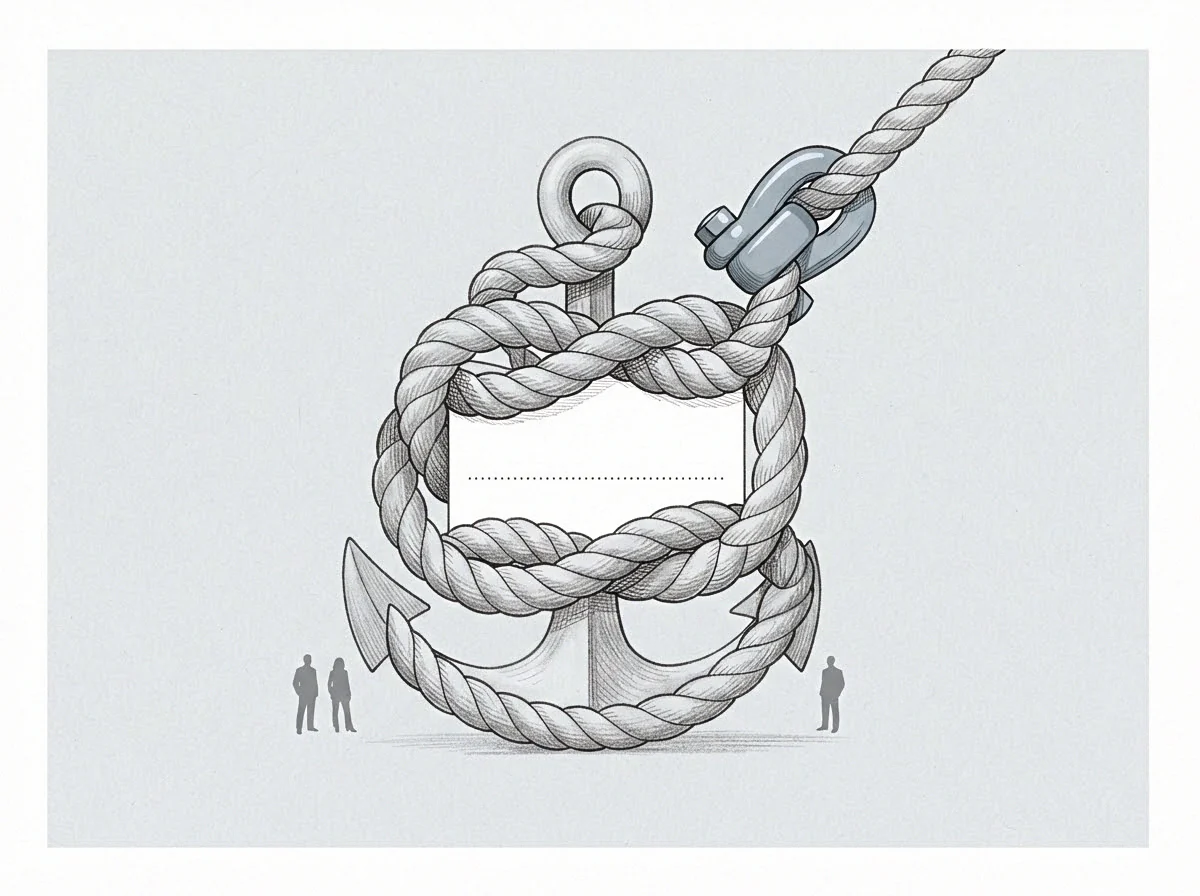
Settling Dynamic Setpoints in Operating Structures
Permanent operational stability requires embedding concurrency limits directly into software tools, meeting cadences, and authority templates. Dynamic setpoints adjust queue limits automatically based on measurable system strain, preventing individual operators from absorbing excess intake.
When management systems enforce concurrency limits at the structural level, load transfer operates with minimal friction and predictable throughput. Expansion proceeds through scalable operational units rather than increased individual strain.
Transfer limits set at structural boundaries preserve operational capacity regardless of intake volume.