Meaning
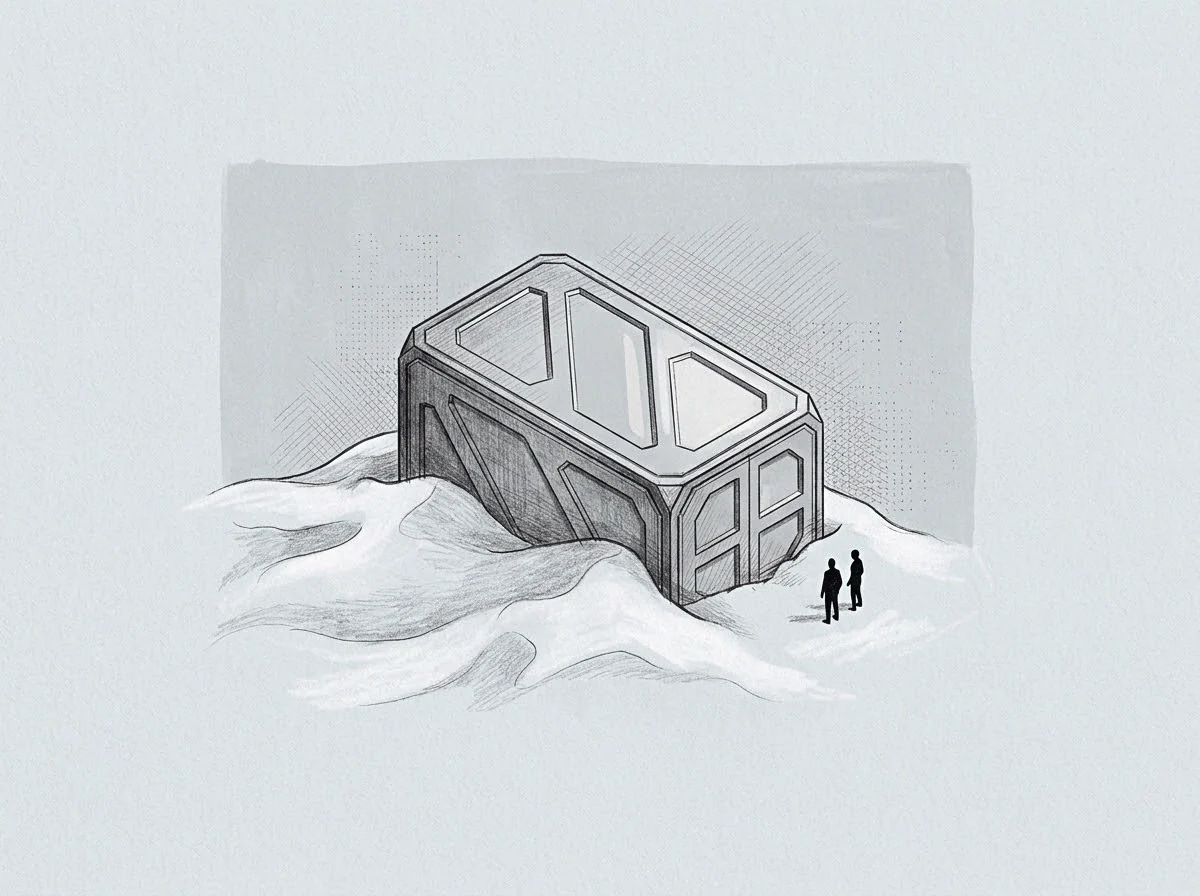
A structural boundary represents the point where personal oversight reaches its absolute utility. This clear ceiling functions as a hard limit on the amount of data and decision making an individual can manage before the quality of output decays or the system stalls entirely. It prevents the expansion of complexity beyond the reach of a single consciousness and marks the frontier where delegation is necessary for continued growth.
Capacity Ceiling
The maximum load of information processing determines when the person must stop adding new variables to their immediate field of attention. This limit exists because human cognitive bandwidth is finite and cannot be stretched indefinitely through sheer willpower or additional hours of labor.
Threshold Event
When an individual attempts to push through a clear ceiling, the system usually experiences a sharp drop in stability. Critical signals are missed while small errors propagate into larger failures, which increases the cost of maintaining the current state until it exhausts the person.
Systemic Stability
Protection of the core operational state requires the recognition of this limit before the person reaches a point of total exhaustion. Regular use of a clear ceiling provides the necessary signal to transition from direct control to trust in external mechanisms.