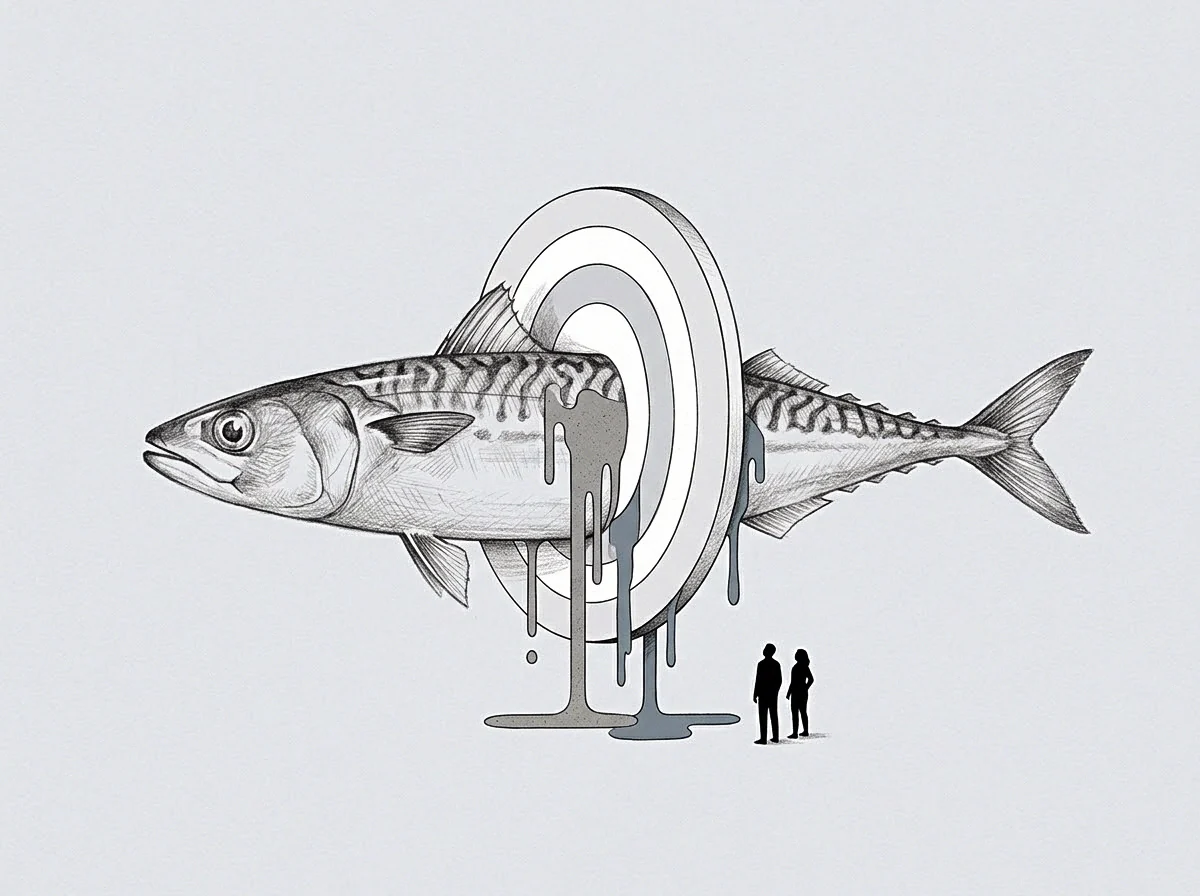
Meaning
A neurological state of fatigue arises from the repetitive allocation of attention between disparate tasks, resulting in a progressive decline in executive function and processing speed. Within demanding management environments, cognitive switching exhaustion occurs when a leader frequently shifts focus between strategic analysis, operational issues, and personnel demands. This condition is characterized by a marked increase in decision latency and a reduction in analytical depth.
The state is limited to short-term executive exhaustion and does not extend to long-term professional burnout.
Switching Cost
Every shift in attention leaves a cognitive residue that consumes metabolic energy and reduces immediate task performance. Over several hours of continuous shifts, cognitive switching exhaustion builds up as the prefrontal cortex repeatedly reallocates blood flow and neurotransmitters. This cumulative tax diminishes the capacity to suppress distractions and maintain focus on complex documents.
The transition between different operational domains is the primary driver of this metabolic demand.
Recovery Deficit
Short breaks are often insufficient to restore the neurological baseline when switching frequency remains high. To mitigate cognitive switching exhaustion, the brain requires periods of single-task focus or complete cognitive rest. Incomplete recovery leads to chronic performance degradation.
Exposure Boundary
The daily limit of task shifts is reached long before the physical workday ends. Beyond this boundary, the onset of cognitive switching exhaustion makes further complex communication counterproductive. This limit varies by individual experience.