
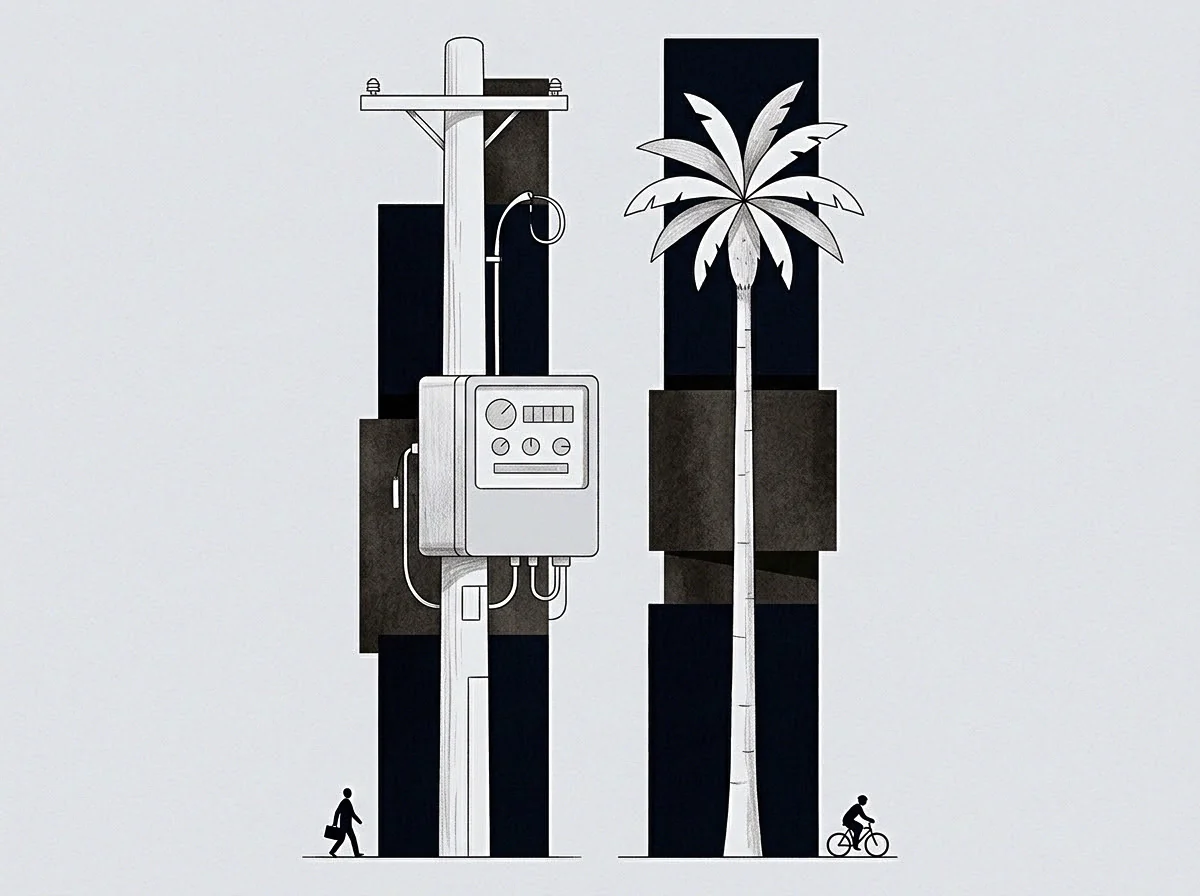
The Allostatic Load Of Sole Regulators Inside Early Stage Ventures
Allostatic load in solitary venture leaders stems from unreciprocated down-regulation of organizational panic through an isolated prefrontal cortex.
Allostatic load in solitary venture leaders stems from unreciprocated down-regulation of organizational panic through an isolated prefrontal cortex.
Nocturnal heart rate dipping reflects autonomic recovery by measuring whether parasympathetic vagal tone successfully drops resting cardiac rate during sleep.

Post stress vagal reactivation restores parasympathetic cardiac braking, ending prolonged operational hyperarousal through deliberate baroreflex and safety cues.
Autonomic recovery latency measures the elapsed time for parasympathetic vagal tone to re-engage cardiac muscarinic braking following operational stress cessation.
Solitary executive seats elevate prefrontal metabolic costs by stripping away social baseline co-regulation, forcing autonomic vigilance and bioenergetic debt.

Extended solitary founder tenure locks threat processing into high gain, which down-regulates only through repeated operational co-regulation with a stable peer.
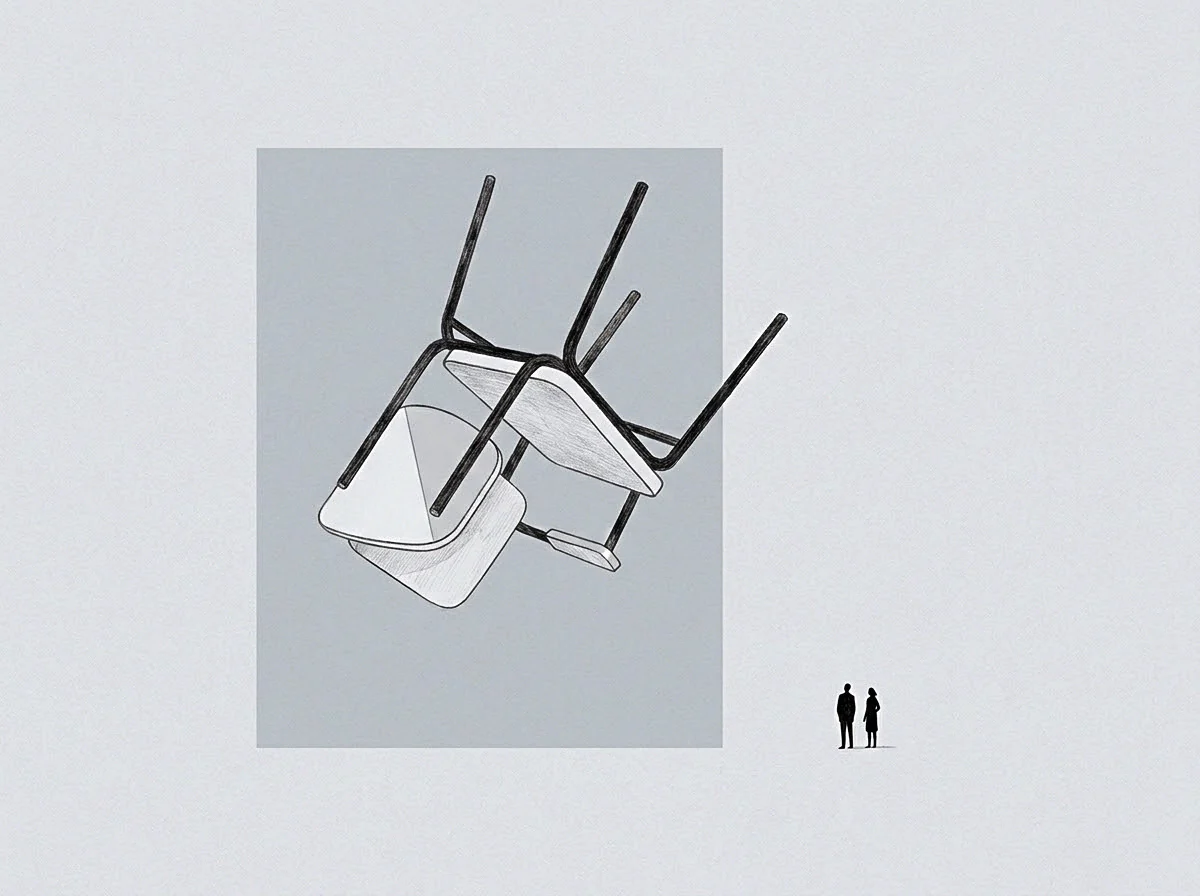
Unreciprocated leadership alarms force continuous prefrontal metabolic expenditure, burning executive neural reserves to subsidize organizational calm.

High executive stress shuts down relational receptors by forcing continuous solo regulation, requiring bounded micro-exchanges to rebuild passive autonomic intake.

Structural pressure forces co-founders to share autonomic regulation costs, shifting threat processing load onto the partner displaying lower physiological reactivity.

Unbuffered leaders absorb group panic at private metabolic cost, accelerating somatic depletion while subordinates borrow calm without sharing systemic wear.

Autonomic recovery rate measures the velocity of post-stress parasympathetic reactivation, quantifying executive wear through vagal rebound and nocturnal heart rate dipping.

Chronic high operational load desensitizes parasympathetic receptivity, turning shared rooms from energy-conserving baselines into demanding threat environments.

Unilateral co-regulation forces one partner to absorb the full neural cost of dyadic stabilization, generating chronic allostatic load and systemic depletion.

Executive load forces solitary metabolic threat budgeting, whereas earned security restores social baseline function to share regulation across peers.
The terms are written where they belong. Each field holds three desks, and every entry a desk writes raises the terms it uses, each term given a meaning, a mechanism and the places it appears. The record on these pages stays first person and hand made; the fields grow the nomenclature.