
Measuring Cognitive Headroom Depletion from Covert Interpersonal Buffering
Covert interpersonal buffering consumes prefrontal working memory by running continuous regulatory background processes, severely depleting cognitive headroom.

Filter
Four messaging channels remain active past midnight on a Tuesday. An anxious lead investor demands immediate clarification on quarterly projections, a co-founder posts an agitated message regarding engineering velocity, and a key enterprise client sends a multi-paragraph list of grievances. The operator sits at the desk and absorbs the ambient panic before drafting any downstream communication.
Each incoming signal undergoes careful rewriting, translation, and dampening so that execution teams receive calm, structured mandates on Wednesday morning. This quiet absorption is covert interpersonal buffering, a process where one individual acts as an invisible shock absorber for relational, organizational, and operational turbulence.
Working memory capacity is finite. Executive function relies on prefrontal networks that allocate attention, suppress irrelevant stimuli, and manage short-term information storage. When an operator assumes the unstated responsibility of coregulating partners, team members, or external stakeholders, emotional translation and threat monitoring consume a substantial fraction of that capacity.
This continuous background allocation creates severe headroom depletion, reducing the remaining cognitive bandwidth required for high-level decision-making, strategic synthesis, and self-initiated work.
Covert absorption of relational volatility converts unallocated working memory into dedicated threat monitoring bandwidth.
The depletion operates without external visibility. Strategic outputs often continue for a period through sheer reliance on established habits and procedural knowledge, while the loss shows up first in subtle operational variables. Self-initiated creative work stops entirely as capacity evaporates, and long-term forecasting yields to immediate crisis suppression.
The operator maintains a calm exterior, masking the escalating allostatic load accumulating within the nervous system. The internal processor runs continuously at maximum utilization while output appears static.
The quiet nature of this buffer function creates an operational trap. Because the dampening happens covertly, downstream recipients assume the baseline environment is naturally stable. Co-founders and investors do not witness the energy expended to neutralize their volatility.
Consequently, reactive behaviors persist or escalate, increasing the load on the buffer. The regulatory capacity of the operator functions as an invisible reserve for the organization, obscuring structural communication failures until the concurrency ceiling is breached.
The operation feels calm because the communication flows so smoothly.

Clock
Human stress systems respond to regulatory demand through allostasis, the process of achieving stability through physiological and behavioral change. When interpersonal environments present ongoing unpredictability, the sympathetic nervous system maintains chronic activation. Cortisol secretion remains elevated, catecholamine turnover increases, and the neural circuits supporting prefrontal control experience relentless wear.
This biological expenditure is known as allostatic load. It represents the cumulative physical cost of continuous internal adjustment.
Social baseline theory establishes that human brains treat proximity to reliable, supportive conspecifics as the default low-cost operational state. In a functioning coregulatory relationship, load is shared, reducing the metabolic cost of baseline vigilance. Covert buffering inverts this architecture entirely.
The operator becomes the sole coregulator for the counterparty, expending metabolic energy to stabilize both self and other. Proximity to an erratic partner increases individual regulatory expenditure rather than reducing it.

Cognitive Architecture of Open Relational Loops
Every unbuffered interpersonal friction creates an active working memory thread. When an interaction ends without clear resolution, terms, or expectations, the prefrontal cortex maintains the thread as an ungated loop. These loops act as open background applications, consuming processing slots that would otherwise serve analytical tasks.
The total number of simultaneous ungated threads determines the system’s level of internal friction.
- Vigilance Threading continuous active scanning of relational partners for subtle shifts in emotional baseline or impending volatility.
- Translation Overhead the metabolic effort expended converting destructive or panicked incoming messages into constructive operational directives.
- Retrospective Simulation replaying past tense interactions to identify missed cues or construct defensive communication strategies for future encounters.
- Inhibited Expression active suppression of authentic reactions, needs, or boundaries to prevent triggering volatility in the counterparty.
The cognitive system possesses a fixed concurrency limit for active threads. When ungated relational loops occupy three or four available processing slots, executive throughput drops precipitously. Task switching between complex strategic modeling and interpersonal dampening incurs high switching costs.
The operator feels persistent cognitive fatigue long before any physical labor is performed. The internal clock ticks faster as processing overhead accumulates.
An open loop maintained without stated terms consumes processing capacity continuously regardless of task priority.
A stated boundary on communication response windows converts an open loop into a scheduled batch process.

Meter
Direct introspection routinely fails to measure cognitive depletion accurately. Operators running at operational ceiling frequently report feeling focused or resilient, relying on adrenaline to mask systemic exhaustion. Accurate assessment requires observing objective state variables across daily operational workflows.
These variables reveal system throttling long before the operator acknowledges distress.
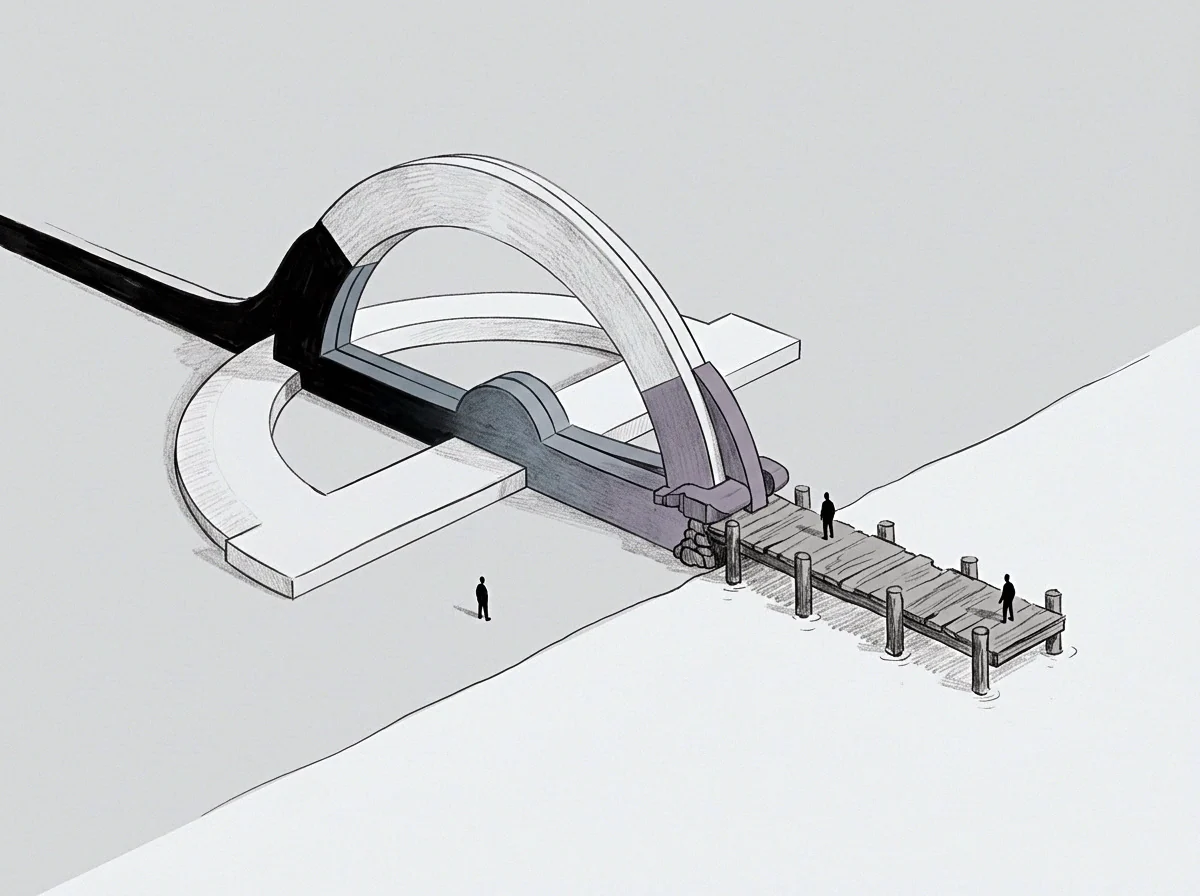
Observable Variables of System Throttling
System throttling manifests through clear, measurable shifts in work patterns and decision velocity. Tracking these variables provides an empirical baseline for cognitive headroom depletion:
Response latency asymmetry becomes pronounced. The operator responds instantaneously to external pings, requests, and relational alerts while taking days to initiate high-priority, self-directed projects. Executive control is fully captured by incoming reactive load.
Temporal horizon compression occurs predictably. Strategic planning shrinks from multi-year positioning to quarterly targets, then to weekly survival, and finally to managing the next four hours. The prefrontal capacity required to simulate future states is occupied by immediate relational coregulation.
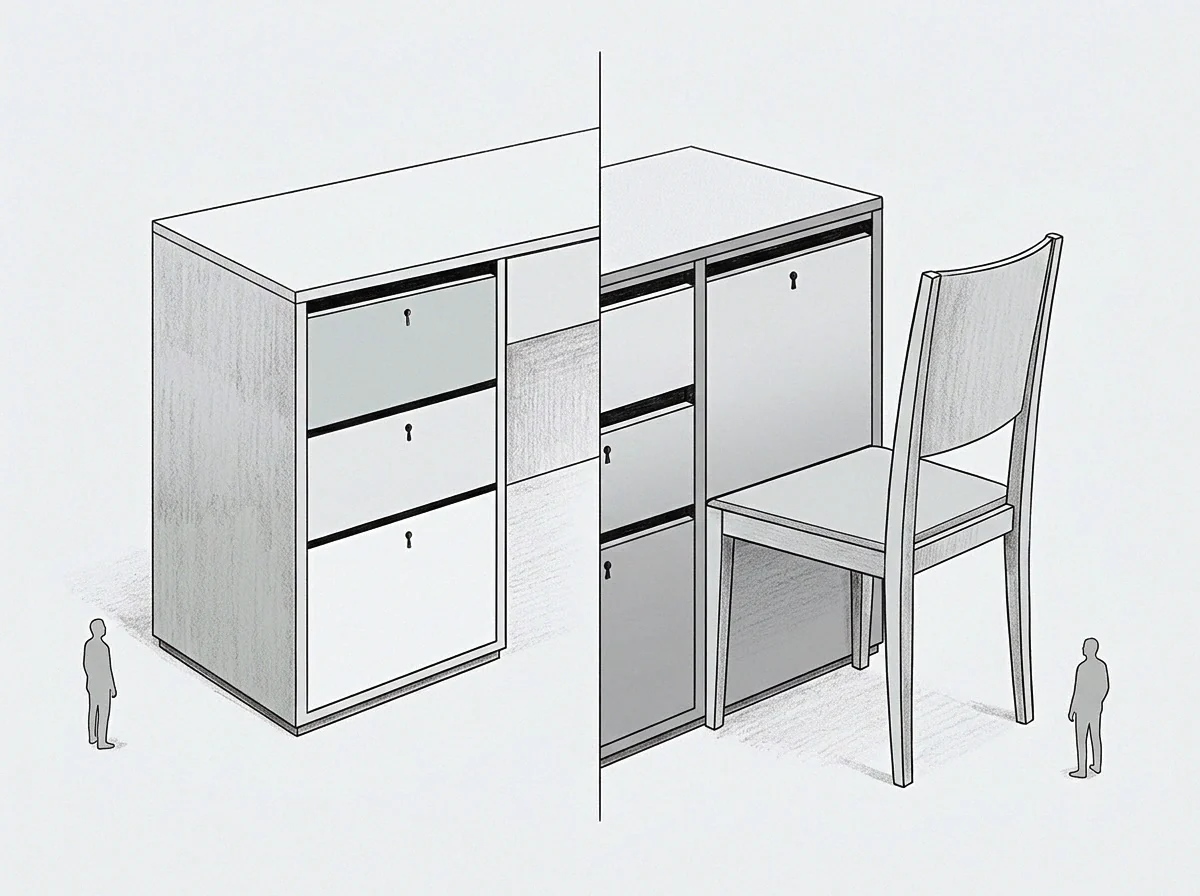
Does Throttling Differ From Clinical Depression?
A frequent error in occupational health involves misinterpreting system throttling as clinical depression. While both states share superficial symptoms like exhaustion, diminished initiative, and reduced emotional range, their underlying physiological and operational mechanisms differ entirely.
Clinical depression presents a generalized reduction in primary drive across all operational domains. The individual struggles to initiate action regardless of external demand or environmental cues. Throttling, by contrast, represents a high-performing system operating at its maximum allostatic limit.
Throughput is preserved for critical external inputs while low-priority internal initiatives are systematically suppressed to protect the core operational engine. The system is not failing; it is running at maximum thermal ceiling.
Misdiagnosing system throttling as clinical depression targets mood parameters while leaving structural relational drains intact.
Applying therapeutic interventions aimed at mood elevation fails to resolve cognitive headroom depletion because it leaves the structural load untouched. The operator does not require altered cognitive framing; the operator requires the closure or gating of open relational threads. Misinterpreting this distinction leads to prolonged exhaustion, inappropriate treatment protocols, and the inevitable collapse of organizational execution.
Treating regulatory overload as a mood disorder delays the structural redesign of relational interfaces while the concurrency ceiling degrades further.

Seat
Organizational structures distribute regulatory demands unevenly across leadership roles. In many early-stage ventures, an unwritten division of labor emerges where one seat assumes the primary operational and financial burdens while quietly managing the emotional volatility of surrounding counterparties. This structure relies on a covert contract, an unstated agreement where one party provides continuous coregulation in exchange for superficial alignment or conflict avoidance.
The buffer role creates an asymmetric relational dynamic. The counterparty uses the operator as an external prefrontal cortex, offloading raw anxiety, structural doubt, and volatile reactions. The operator processes this material, absorbs the shock, and returns a calm, structured output.
Over time, the counterparty loses the incentive to build internal self-regulatory mechanisms, deepening their reliance on the operator buffer.
| Configuration Mode | Bandwidth Cost per Thread | Downstream Volatility | Visibility of System Load | Operational Sustainability |
|---|---|---|---|---|
| Explicit Coregulation | Low | Minimal | High | High |
| Covert Interpersonal Buffering | Maximum | Dampened | Zero | Negligible |
| Structural Isolation | Zero | Unbuffered | Absolute | Conditional |
The table illustrates the severe trade-offs inherent in covert buffering compared to structured alternatives. Explicit coregulation maintains high load visibility and low bandwidth costs through clear communication protocols and shared responsibility. Structural isolation cuts off relational strain entirely, exposing downstream teams to raw volatility while fully protecting executive headroom.
Covert buffering carries the highest individual metabolic cost combined with zero structural visibility, leading to rapid operational decay.
Unstated relational contracts build invisible operational strain that is invariably paid out of cognitive headroom.
Transitioning away from covert buffering requires converting implicit contracts into explicit operational terms. This transition typically exposes underlying relational fragilities. When the operator stops functioning as a buffer, the counterparty must process their own volatility or confront the operational consequences directly.
The resulting friction is not a sign of failure; it is the visible rebalancing of structural load.
Whether early leadership teams can maintain high velocity without one participant covertly absorbing the emotional variance of the group remains untested.

Latch
Restoring cognitive headroom demands structural intervention rather than personal resilience techniques. The operator must install definitive functional gates that regulate incoming relational load, close open loops, and bound counterparty access. Structural latches replace continuous real-time buffering with explicit, scheduled, and rule-bound interfaces.
Consider a typical worked situation involving two founders running a technology company. Assume the operational co-founder spends two hours every evening responding to unscheduled, panic-driven messages from the commercial co-founder regarding pipeline uncertainty. The operational founder absorbs the panic, re-assures the partner, and updates project roadmaps late into the night.
This dynamic consumes two active working memory slots continuously, as the operational founder lives in constant anticipation of the evening ping.
To eliminate this covert load, the operational founder introduces three explicit structural latches:
- Communication is restricted to a single dedicated update document reviewed every morning at eight o’clock, eliminating real-time evening messaging completely.
- Pipeline discussions are strictly constrained to a weekly ninety-minute operational review with predetermined data inputs and explicit decision agendas.
- Commercial anxiety is separated from roadmap execution by establishing explicit quantitative criteria that must be met before any project schedule is altered.
Under these modified assumptions, active ungated threads drop from a continuous background drain to a single, scheduled batch process. The operational founder recovers processing slots previously locked in threat anticipation. The commercial co-founder is forced to digest baseline volatility independently or present it within structured operational frameworks.
Throughput recovers across all execution domains within days.
Converting real-time relational availability into structured batch interfaces immediately restores executive processing capacity.
Installing these latches frequently meets resistance from counterparties accustomed to unconstrained buffer access. The counterparty may frame the new boundaries as disloyalty, emotional distance, or operational stiffness. The operator must maintain the latches firmly, recognizing that counterparty discomfort is simply the physiological cost of coregulation shifting back to its rightful origin.
A thread with a fixed evaluation date costs nothing until the clock turns.