Meaning
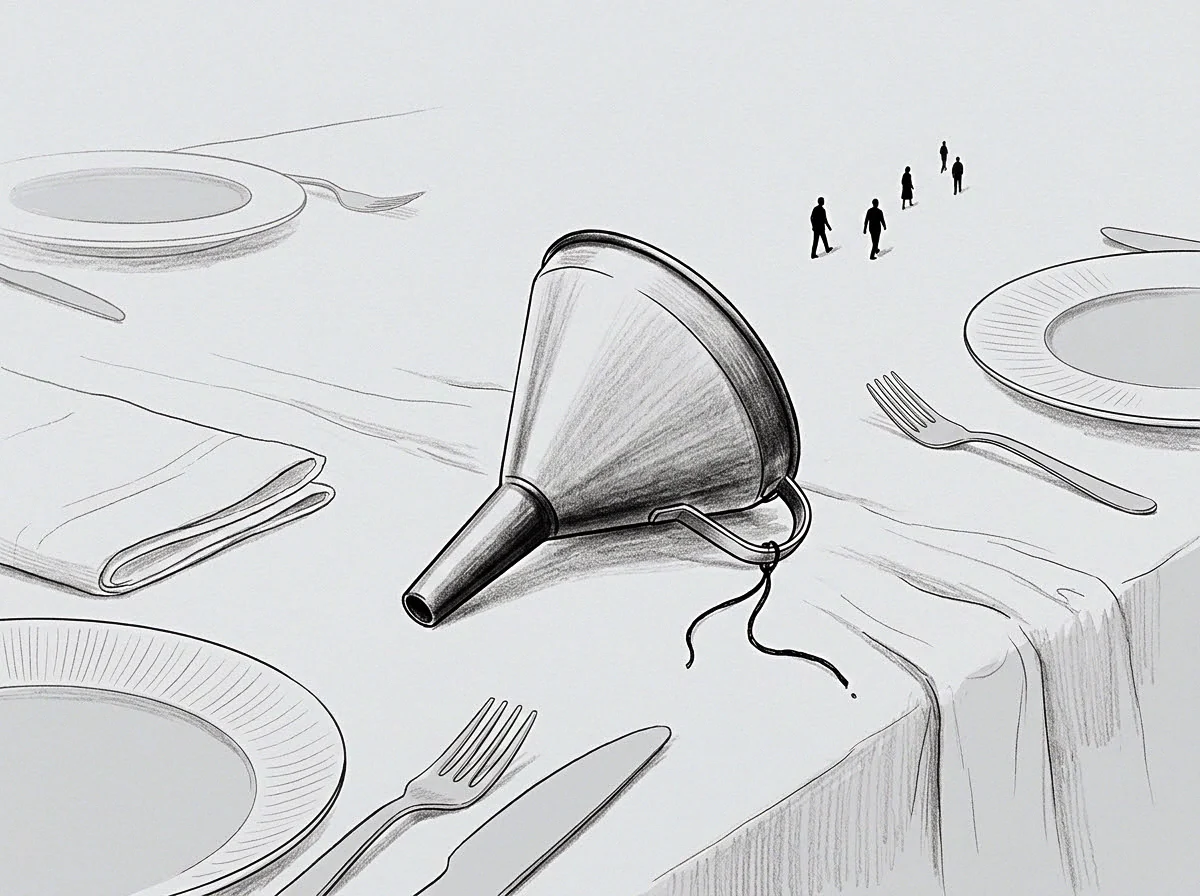
Information decay occurring during the transmission of intent defines the efficiency of a hierarchy. Communication friction is the measurable lag or distortion that occurs when messages pass between stakeholders with differing context or incentives. It acts as a dampening force on executive intent.
This resistance increases as the organization grows more complex or as the founder retreats from daily operations.
Resource Drain
Every interaction carries a specific price in hours. High levels of communication friction require the founder to repeat instructions or clarify intent multiple times. This repetition diverts attention from high-value tasks.
It creates a backlog of unresolved queries that slow the entire system down.
Friction Source
Structural gaps frequently produce these delays. When communication friction arises from misaligned vocabularies between departments, it forces the founder to act as a translator. The cost of this translation is measured in reduced mental bandwidth.
Information loss occurs at every handover point, requiring additional cycles to correct. Each correction loop introduces its own secondary delay, compounding the original load.
Control Limit
Mitigation reaches a floor where the cost of further reduction exceeds the benefit. Total elimination of communication friction is impossible in any multi-person system. It stabilizes at a point where the shared understanding is sufficient for the current pace of work.