
Resolving Structural Load Transfer Bottlenecks Across High Velocity Unthrottled Executive Communication Intake Channels
Throttling executive intake requires inserting structured asynchronous templates and deliberate latency to force operational synthesis back onto the sender.
Spill
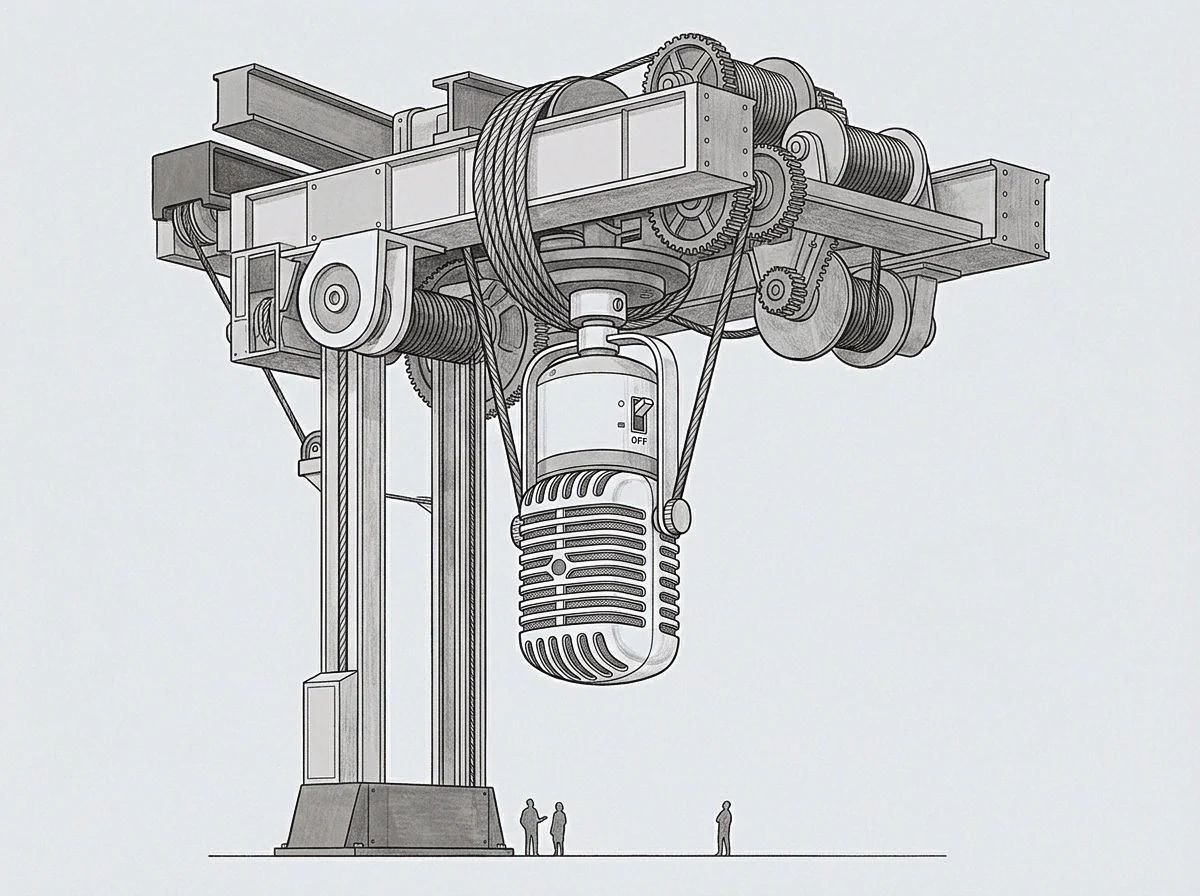
Forty unread direct messages sit on an illuminated glass screen at eleven at night. A senior engineer asks whether to halt a deployment, a sales director drops notes from a difficult enterprise call without a clear question, and an operations lead forwards an unresolved thread with four question marks attached. Transmitting raw operational anxiety across the wire gives the sender immediate relief.
On the receiving end, the executive absorbs the loose context, gathers the missing facts, and handles the filtering the sender skipped. Zero-latency communication software turns the founder into an infinite pool of cognitive support.
Every open channel attracts unfinished thoughts. When team members face ambiguity, sending a quick query upward takes far less effort than forming a reasoned hypothesis. The executive seat becomes the dumping ground for unresolved organizational tension.
Fast transmission gives an illusion of progress while stripping away the leadership tier’s operational bandwidth.
Unfiltered communication channels turn executive attention into a default operational shock absorber.
Unfiltered escalations generate predictable distortions across the organization:
- Anxiety evacuation occurs when an operator shifts emotional pressure upward to avoid personal responsibility for a tough operational choice.
- Context fragmentation forces the recipient to piece together background details across multiple apps before giving a useful response.
- Premature escalation removes the need for middle management to check assumptions against documented baseline standards.
- Decision atrophy develops across the team as people realize quick escalations reliably produce immediate answers from above.
A steady stream of unshaped inquiries wears down executive capacity long before scheduled meetings begin. Constant context-switching degrades recall and slows deep analysis. Left unchecked, the drain leaves leadership reacting to daily friction rather than driving high-level strategy.

Baffle
Piping networks use mechanical resistance to absorb destructive pressure shocks. Digital communication channels leading to senior leadership require similar dampening. An unbuffered direct message stream acts like an open main, hitting the recipient with sudden spikes in volume.
Introducing structural delay separates team panic from executive attention, forcing senders to organize their facts before reaching out.
Removing instant access changes the nature of upward communication. Requiring escalations to pass through a structured written intake form adds deliberate friction to the process. Senders must pinpoint the exact problem, outline two potential options, estimate the financial risk of each, and state their own recommendation.
That friction keeps unrefined panic from flowing straight to the top.
| Intake Model | Processing Location | Latency Guarantee | Cognitive Burden | Team Autonomy Effect |
|---|---|---|---|---|
| Unthrottled Chat | Executive Node | Zero to Ten Minutes | Executive Absorbs All Chaos | Severe Long-Term Decay |
| Batched Daily Pulse | Shared Interface | Four to Eight Hours | Sender Synthesizes Data | Moderate Self-Correction |
| Structured Decision Protocol | Originating Node | Twelve to Twenty-Four Hours | Distributed Across Senders | High Institutional Resilience |
Maintaining an intake buffer requires discipline from leadership. If a founder breaks protocol by responding to side-channel chat messages, the system falls apart. Teams will test a new boundary to see if it is a firm rule or a soft preference.
A boundary holds only when off-protocol messages meet sustained silence.
A structural boundary survives only when informal queries meet complete silence.
Teams learn boundaries through actual behavior rather than memos. When an unformatted ping gets zero response until the next triage window, the sender adapts and solves the issue locally. The protocol survives only through steady non-engagement with off-channel escalations.
The intake form specifies mandatory fields, and missing information automatically returns the request to the sender without reaching the executive.

Chamber
Take a company generating thirty million in revenue with seventy employees. The leadership team fields around four hundred ad-hoc queries a day across three separate chat apps. The founder spends six consecutive hours every morning answering operational questions, pushing long-term planning into the late evening.
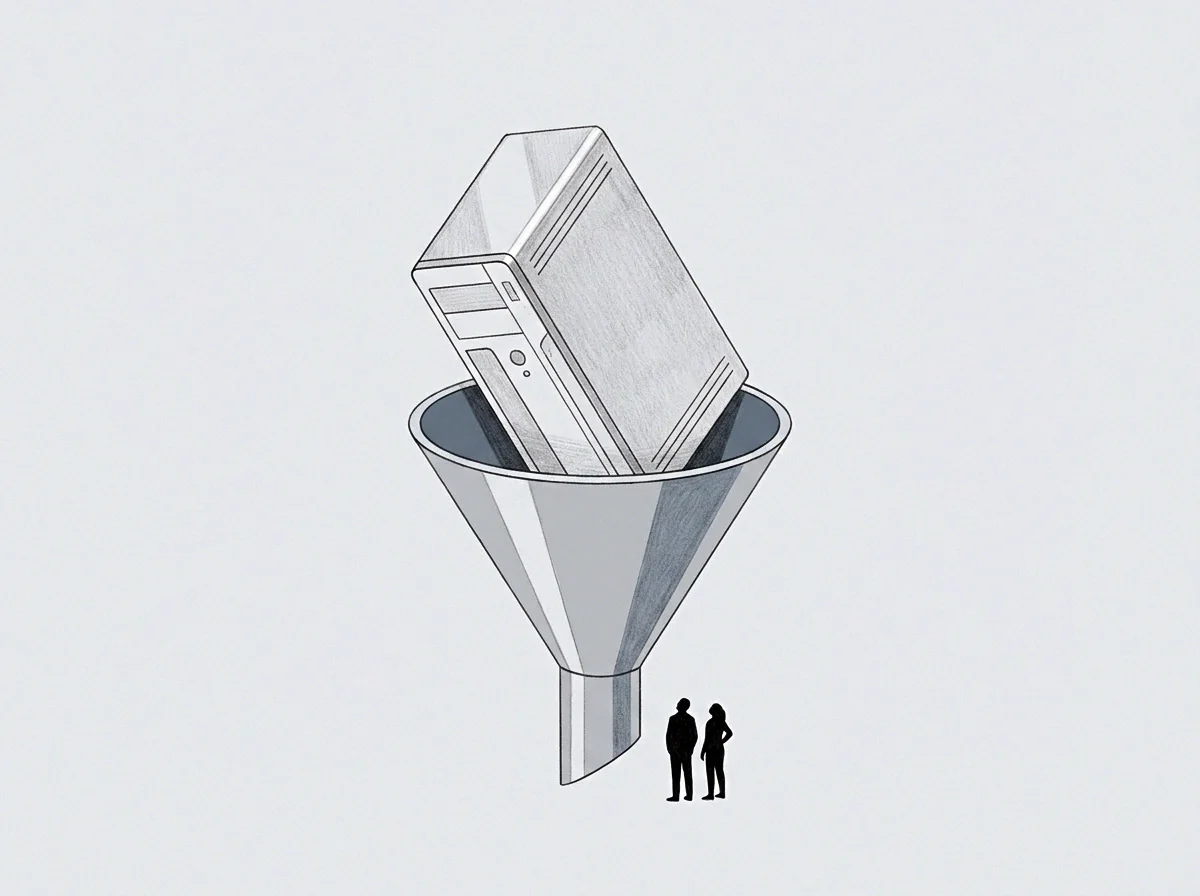
Adding a holding area turns this reactive posture into a predictable routine. Instead of handling queries on demand, the company routes all escalations into an asynchronous repository.
Submissions sit in this repository until scheduled review windows open. Issues are classified along two dimensions: operational reversibility and financial exposure. Reversible issues with potential downside below twenty thousand dollars cannot be escalated to executive leadership; the local department head retains full responsibility for resolving them.
Which Intake Inversion Holds Under Real Fire?
Actual emergencies expose weak intake systems almost immediately. When a production deployment fails, team members naturally try to bypass formal processes to summon leadership. Safeguards depend on defining clear emergency criteria in formal docs.
Emergency channels trigger only during full platform outages or urgent legal issues, keeping routine friction inside the scheduled review chamber.
Latency separates genuine commercial emergencies from simple operational anxiety.
A sixty-minute delay in message visibility often eliminates half of all incoming panics. Without an immediate answer, operators check documentation, ask peers, and solve the issue themselves. The staging area acts as a self-clearing filter for temporary operational stress.
Water takes the path of least resistance; when that path closes, teams build local problem-solving capacity.
Urgency defined by the sender rarely aligns with core business priorities.
Desk
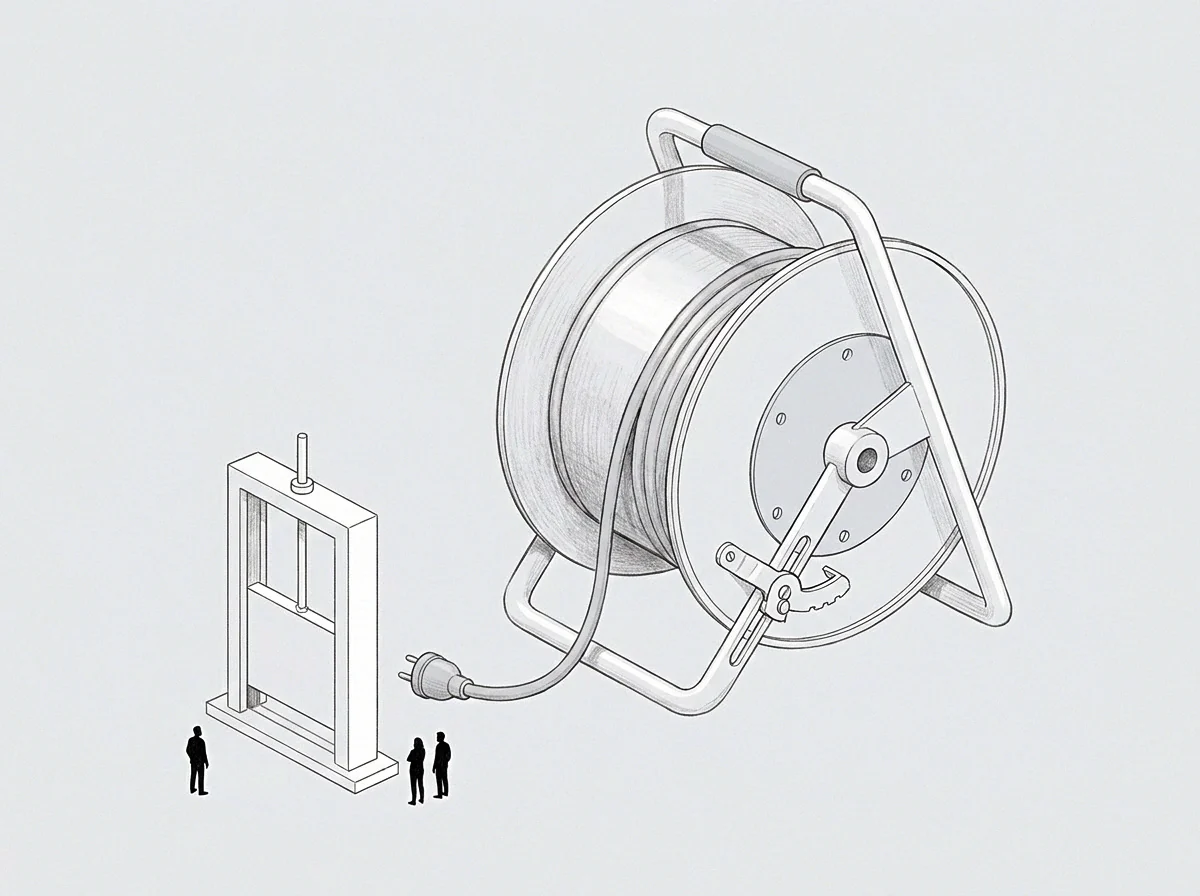
Executive desks used to hold paper files organized in clear piles. Modern workstations replaced paper with an endless digital feed that vibrates constantly. Restoring focus requires a strict protocol that shields leadership from constant organizational noise.
An executive operates best when treating daily attention as a strictly finite resource.
The executive requires three conditions before any issue reaches their calendar:
- Problem specification demands a single paragraph stating the exact problem clearly, without corporate jargon or extended backstories.
- Option derivation presents two distinct, viable choices with clear resource requirements and explicit trade-offs.
- Personal recommendation explicitly states which option the submitter would choose if they held final authority.
Any escalation missing these components is returned unread. This standard pushes analytical work back to the operational team. Leadership stops editing half-baked ideas, forcing managers to think through solutions before seeking approval.
Executive involvement must be earned through thorough frontline analysis.
Rescuing team members from tough decisions creates learned helplessness. People realize thorough analysis is unnecessary if leadership will supply answers on demand. Removing that safety net forces operational maturity across every team, replacing constant pings with structured memos.
Teams eventually recognize that executive decision-making improves once instant access ends.

Friction
Adding intentional friction to an operational intake system serves as an essential protective measure. Companies that design for zero communication latency inevitably face executive burnout and fragmented strategy. Introducing structural delays, standardized templates, and clear filters preserves valuable leadership capacity, shifting focus from daily fires to long-term resource allocation.
Moving away from real-time access creates initial pushback from teams used to immediate replies. Some staff may view delayed responses as detachment. Middle managers accustomed to escalating tough choices will feel uneasy taking full ownership of uncertain outcomes.
Leadership must accept this temporary discomfort to build long-term operational resilience.
Boundaries protect organizations from internal noise. Maintaining intake rules gets hard during periods of operational stress, but making an exception restores the habit of letting personal anxiety override protocol. Keeping communication channels quiet protects leadership’s future capacity.
How much operational speed must a growing company sacrifice to protect executive clarity from relentless internal demand?