Meaning
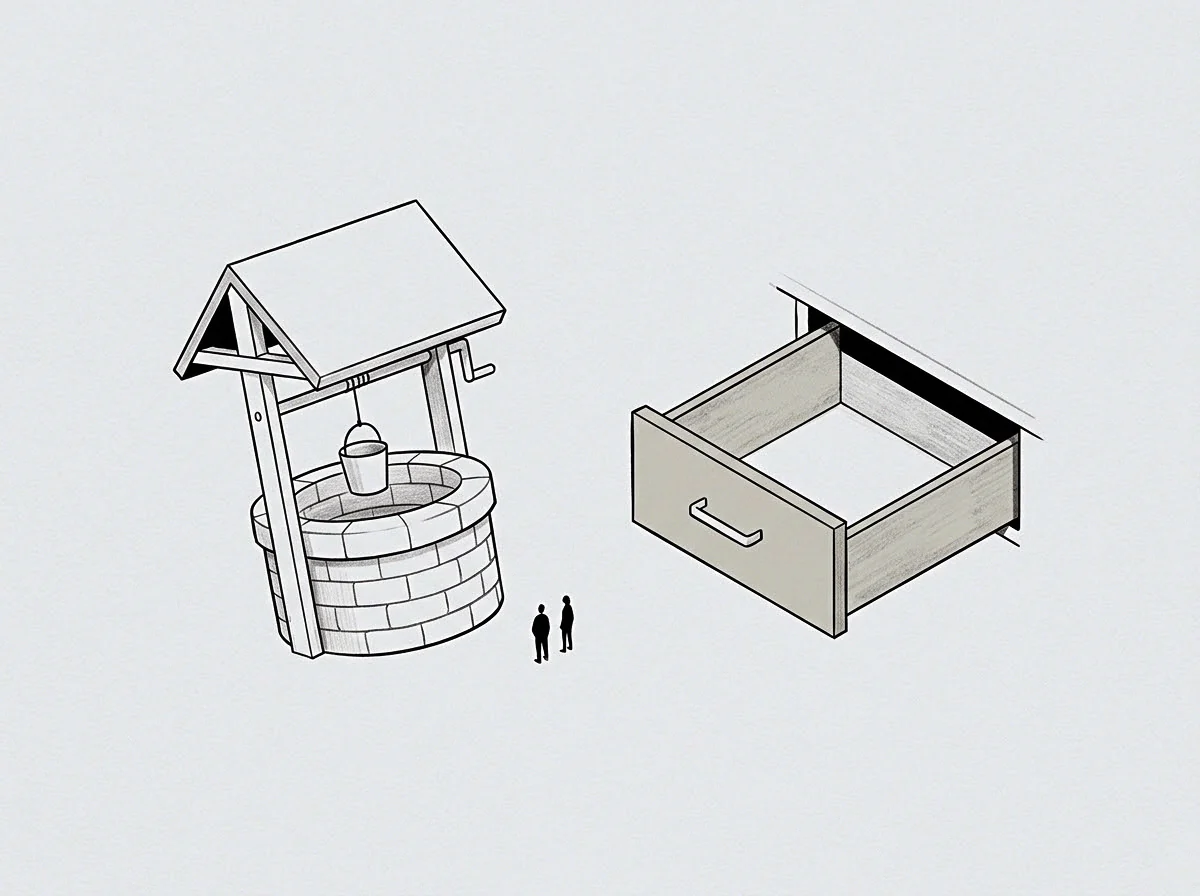
Cognitive operational separation defines the structural capacity to sever emotional, physiological and behavioral links between distinct institutional spheres of accountability. Under contextual decoupling, an individual operates in one functional domain without carrying forward the sympathetic arousal, residual panic or anticipatory vigilance generated by another. This mechanism governs the psychological and physiological boundaries between executive governance, board oversight, personal maintenance and external stakeholder interactions.
The boundary of this concept dissolves when cognitive exhaustion collapses selective attention barriers, allowing operational stressors to saturate unrelated social baselines.
Afferent Containment
Environmental segregation prevents the leakage of high-arousal operational inputs into low-stakes domestic or somatic spaces. Practicing contextual decoupling demands active suppression of default neural networks that continuously calculate unresolved liabilities from prior transactions. When done successfully, the central nervous system down-regulates fight-or-flight markers upon exiting the operational theatre, permitting restorative baselines to reassert themselves.
Without this capacity, the physiological arousal required to resolve existential corporate disputes persists unchecked into periods reserved for biological repair. The individual remains trapped within a phantom operational setting, expending nervous system capacity on threats that exist only in memory or projection.
Energetic Expenditure
Implementing this cognitive quarantine demands substantial prefrontal glucose utilization and inhibitory focus. Sustained contextual decoupling consumes finite attentional reserves, which degrades an individual’s patience and executive decision-making as the operational day wears on. Attempting to mask institutional panic while engaging with family or peers drains the regulatory reserve that should sustain strategic focus.
Over time, the energy cost of maintaining an artificial firewall between personal and professional survival creates chronic psychological fatigue. The executive finds themselves physiologically depleted before the primary workday even begins, simply from the effort of maintaining containment walls across different social identities.
Containment Fracture
Compartmentalization fails when the volume or velocity of external operational shocks overwhelms cognitive filtering capacities. Chronic allostatic load degrades the prefrontal cortex, causing contextual decoupling to disintegrate under acute panic. Institutional anxieties flood unrelated personal domains, destabilizing relationships, disrupting baseline sleep architectures and generating somatic symptoms like gastrointestinal distress or chronic hypertension.
Boundaries between governance roles and personal survival become indistinct, converting every mundane interaction into an adversarial struggle for operational autonomy. Restoration of functional boundaries then requires complete structural isolation rather than willpower alone.