
Autonomic Baseline Recovery Protocols In High Command Roles
Autonomic baseline recovery requires structural gating of incoming operational load and physiological engagement of the vagal brake to reset elevated sympathetic bias.

Pulse
The hotel room sits quiet at two in the morning after six operational channels close for the night. The person in the executive seat remains upright at the desk, blood pressure elevated, heart rate holding twenty beats above baseline, muscles across the neck and shoulders locked in active tension. The immediate crisis resolved three hours ago.
The threat landscape cleared on paper. Yet the central nervous system continues to process the quiet room as an active operational domain, maintaining high sympathetic bias without an external driver present.
High command seats exert continuous regulatory demand on human physiology. Long periods of high responsibility alter autonomic nervous system baselines through sustained activation of the sympathetic-adrenal-medullary axis and the hypothalamic-pituitary-adrenal axis. Over months of continuous operational availability, the autonomic baseline shifts upward.
What appears to be executive stamina or operational drive is often the early stage of allostatic load, where the system loses its capacity to drop back into parasympathetic recovery states even when external operational pressure ceases completely.

Physiological Dynamics of Extended Sympathetic Bias
Continuous decision authority keeps the sympathetic nervous system dominant across long operational windows. Catecholamines flood blood vessels, maintaining elevated heart rate and contractility while suppressing digestion and peripheral vasodilation. The body adapts to high operational velocity by maintaining rapid readiness.
When this state persists without structural interruption, the baroreflex resets to accommodate higher baseline vascular resistance. Heart rate variability decreases markedly, with root mean square of successive differences dropping into single digits during sleep windows.
The quiet room feels alarming because the baseline shifted.
This persistent elevation alters neural processing within the prefrontal cortex. High sympathetic activation down-regulates medial prefrontal inhibition over the amygdala, shifting decision architecture toward rapid threat detection rather than sustained strategic evaluation. The executive misinterprets this physiological hyper-arousal as sharp focus or operational readiness.
The central nervous system treats the baseline alteration as the default operational mode, masking progressive systemic fatigue under layers of circulating stress hormones.
Vagal Brake Attenuation Under Continuous Shift
The myelinated vagus nerve acts as a physiological brake, slowing heart rate and suppressing inflammatory cascades during non-threat windows. Continuous command responsibility attenuates vagal tone through sustained central inhibition. When the vagal brake fails to engage during rest opportunities, cardiac output remains elevated and metabolic recovery halts.
Muscle tissue holds continuous micro-tension, while salivary alpha-amylase stays high through the night.
Down-regulation of cardiac vagal control alters metabolic allocation across systemic organs. Liver glycogen breakdown persists through sleep windows, altering overnight fasting glucose levels and producing morning insulin resistance. Cortisol rhythms flatten, losing the steep morning awakening spike and the gradual evening descent necessary for cellular repair.
The operator attempts sleep in a state of high metabolic expenditure, waking with elevated baseline muscle tone and reduced cognitive headroom.
Uncontrolled autonomic baseline shifts alter systemic inflammation markers, blood pressure dynamics, and neural processing speeds over predictable timelines. Unchecked sympathetic bias converts acute operational capacity into persistent tissue damage.
Rig
Structural architecture in high command environments often impedes autonomic reset. Information channels, direct reports, crisis escalations, and un-gated communication streams keep the nervous system tied to incoming threat signals. A single ping at midnight reactivates full sympathetic arousal within milliseconds, resetting any parasympathetic recovery initiated during the preceding hour.
The body cannot distinguish between an actual operational failure and a low-priority notification when the system operates at ceiling.
An environment designed for constant throughput treats the human regulator as an infinite buffer. Open cognitive loops represent physical load. Every unresolved operational decision occupies a working memory slot and holds sympathetic arousal active in the background.
Without clear structural gates around communication and authority, autonomic baseline recovery protocols fail regardless of individual recovery effort.

Open Loop Architecture and Tonic Arousal
Un-gated operational threads generate sustained cognitive and somatic load. Holding several ambiguous scenarios in active working memory maintains continuous firing within the anterior cingulate cortex and insula. This central activity signals peripheral organs to maintain crisis readiness.
The organ systems respond by withholding deep rest processes, holding vascular resistance high, and maintaining shallow upper-chest respiration patterns even during periods of physical stillness.
The total count of un-gated loops determines autonomic tone far more than physical exertion. Four ambiguous operational threads running simultaneously consume more regulatory capacity than ten concrete, dated deliverables. The central nervous system treats ambiguity as an un-hedged risk, elevating baseline cortisol and keeping parasympathetic pathways suppressed.
Until these loops receive firm dates, defined scope, or complete delegation, autonomic down-regulation remains physiologically blocked.

Structural Gates for Autonomous Signaling
Recovery requires physical and structural isolation from incoming input vectors. Gating mechanisms must interrupt both incoming signals and internal monitoring habits. Without strict parameters around operational reach, the executive seat maintains background vigilance automatically.
Autonomic strain presents across predictable operational indicators within high command roles:
- Suppressed Baroreflex Sensitivity produces elevated resting pulse rates during sedentary desk work and reduces rapid cardiac recovery following brief physical movement.
- Flattened Diurnal Cortisol Slope manifests as high evening wakefulness coupled with heavy morning lethargy, signaling hypothalamic-pituitary-adrenal axis exhaustion.
- Attenuated Gastrointestinal Motility limits nutrient absorption during operational shifts, producing acute digestion delays and systemic baseline discomfort.
- Fragmented Slow Wave Sleep reduces deep delta-wave brain activity, leaving metabolic waste products un-cleared in cerebral tissues overnight.
- Elevated Baseline Respiratory Frequency shifts resting breath counts above fourteen cycles per minute, locking the diaphragm in high position.
Structural boundaries protect recovery states when individual willpower breaks down. Systemic gates must isolate the operator completely during designated recovery windows.
The organization expects full operational availability at midnight because no formal boundary clause limits late emergency escalations.

Reserve
Restoration of autonomic baseline requires specific protocols tailored to high-command contexts. Passive isolation alone proves insufficient for deep systemic reset when allostatic load runs high. Sit quietly in a dark room with an active sympathetic drive, and the mind turns inward, running strategic simulations that keep epinephrine flowing.
True recovery demands active intervention designed to engage baroreceptor reflexes and force parasympathetic tone upward.

When Does Parasympathetic Suppression Become Chronic Allostatic Load?
Parasympathetic suppression becomes chronic baseline shift when nocturnal heart rate variability markers fail to return to baseline levels across three consecutive non-operational days. At this threshold, the vagal brake remains permanently off. Systemic vascular resistance stays high.
Cortisol outputs lose their natural circadian variance, remaining at a steady moderate concentration regardless of time or activity.
This transition marks the boundary between acute fatigue and structural tissue strain. Cognitive speed remains intact through high catecholamine compensation, masking the underlying physiological deficit. Strategic judgment narrows, risk tolerance distorts, and emotional regulation requires explicit executive effort rather than occurring automatically.
Recognizing this transition allows targeted intervention before organ systems manifest overt clinical failure.
Comparative Metrics Across Recovery Protocols
Different recovery approaches produce distinct physiological outputs. Standard passive leisure often fails to achieve deep vagal engagement in high-command subjects due to persistent internal mental simulation. Active somatic gating protocols utilize baroreceptor manipulation and structured respiratory pacing to force parasympathetic activation despite mental hyper-vigilance.
| Protocol Modality | Vagal Engagement Depth | Cognitive Loop Suppression | Allostatic Residual | Execution Friction |
|---|---|---|---|---|
| Passive Isolation | Low | Minimal | High | Low |
| Time-Gated Somatic Offloading | Moderate | Moderate | Moderate | Moderate |
| Structural Vagal Reset | High | High | Low |
Structural reset techniques yield the highest rate of baseline recovery per unit of time invested. These methods leverage physiological entry points, such as forced exhalation lengthening and cold trigeminal stimulation, to bypass top-down cognitive resistance. The body triggers a parasympathetic shift mechanically, forcing prefrontal arousal down regardless of mental thread counts.
Mechanically forced exhalation engages the vagal brake despite active cognitive friction.
Protocols must align with current baseline strain. Applying low-intensity passive recovery to an individual at ceiling yields minimal autonomic shift. Matching intervention intensity to current sympathetic output ensures efficient recovery progression.
Consistent application of structured somatic protocols restores vagal brake efficiency faster than unstructured time off.
Latch
Execution of baseline reset protocols requires absolute boundaries around intervention times. The human body down-regulates sympathetic tone when external inputs cease and physical parameters signal safety. Protocol execution cannot rely on continuous self-monitoring.
Fixed protocols act as structural latches, locking the system into recovery states and preventing premature re-entry into operational vigilance.
Baroreceptor Calibration and Respiratory Gating
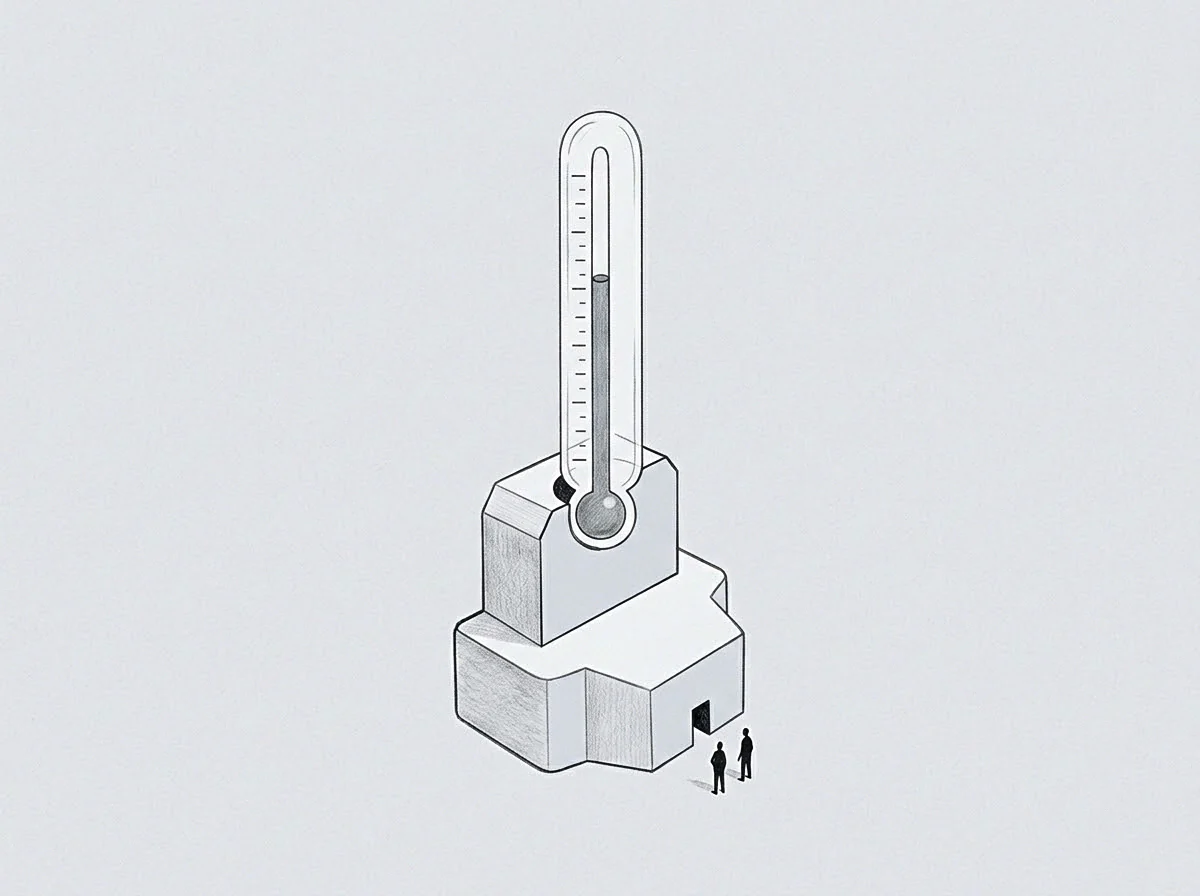
Baroreceptors located in the carotid sinuses and aortic arch sense blood pressure changes and communicate directly with the brainstem. Controlled slow-rate respiration at five to six breaths per minute maximizes baroreflex sensitivity. This specific cadence aligns respiratory sinus arrhythmia with vascular pressure waves, creating resonance within the cardiovascular system and maximizing heart rate variability amplitude.
Extended exhalation phases stimulate the vagus nerve directly, triggering rapid acetylcholine release at the sinoatrial node. Heart rate drops within three cardiac cycles. Systemic vascular resistance decreases.
Smooth muscle surrounding blood vessels relaxes, lowering blood pressure and signaling central brain structures to drop global vigilance levels. Executing this respiratory pattern for fifteen minutes forces the autonomic system past the threshold of sympathetic dominance.

Protocol Design for Contextual Decoupling
Contextual decoupling separates the individual from operational cues entirely. Changing physical environments, stripping digital inputs, and removing decision authority interrupt conditioned stress responses. The central nervous system binds acute stress responses to specific physical locations, screens, and vocal tones.
Decoupling removes these triggers, allowing baseline recalibration to occur without recurring micro-spikes in epinephrine.
- Channel Muting isolates the regulator from non-critical communications through automated filtering rules during designated recovery hours.
- Thermal Stimulation applies targeted cold to the facial trigeminal nerve zones, triggering the mammalian dive reflex to drop heart rate immediately.
- Somatic Load Redistribution utilizes low-intensity postural shifts to release structural tone in deep spinal stabilization muscles.
- Post-Operational Debrief converts open cognitive loops into written tactical records, freeing working memory capacity before entering sleep windows.
Automated channel filtering eliminates midnight micro-spikes in circulating stress hormones.
Latched recovery protocols establish hard stops within operational routines. Removing decision-making from the recovery process itself preserves executive headroom for high-priority operational demands.
The complete delegation clause transfers operational sign-off authority to a deputy during recovery windows, preventing emergency escalation leaks.

Margin
Long-term command capability depends on preserving autonomic margin. Running continuously near physiological ceiling leaves zero reserve capacity for sudden operational shocks. When an unexpected crisis hits a system operating at maximum allostatic load, executive performance degrades rapidly.
Errors in strategic judgment, reduced emotional regulation, and physical breakdown follow close behind.
Preserving margin requires framing autonomic recovery as an operational imperative rather than personal self-indulgence. Systemic sustainability demands that executive seats possess clear, enforceable protocols for baseline recalibration. Organizations that fail to build recovery latches into command structures experience high turnover, sudden executive fatigue, and compromised crisis decision-making.
Sustained Headroom Across Acute Crisis Spikes
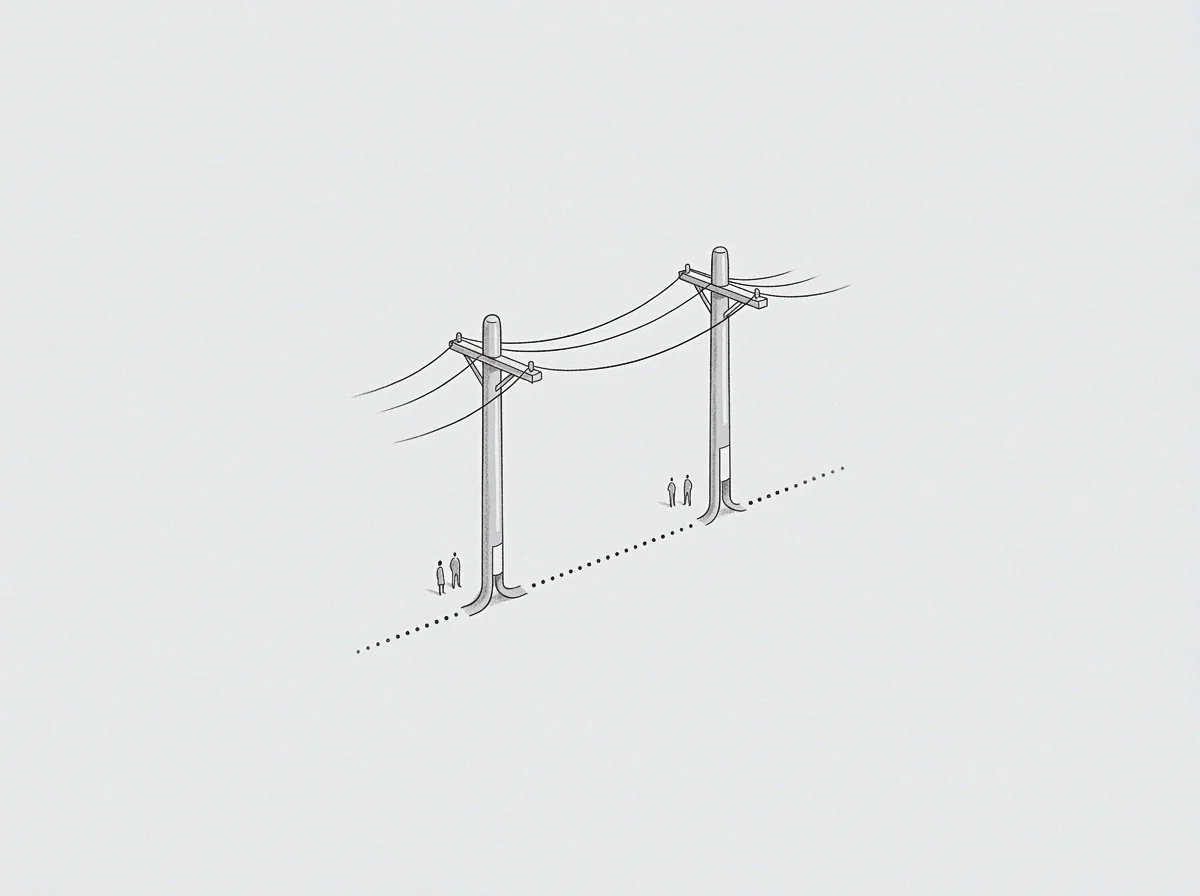
Headroom represents the difference between current autonomic load and maximum regulatory capacity. High headroom allows an executive to absorb sudden operational spikes without crossing into chronic exhaustion. Maintaining this buffer requires continuous balance between sympathetic expenditure and parasympathetic restoration.
Daily baseline recalibration prevents acute stress from accumulating into chronic allostatic load.
Regular monitoring of autonomic indicators provides objective feedback on systemic reserve levels. Tracking resting heart rate trends, sleep architecture, and autonomic recovery rates reveals underlying fatigue long before subjective awareness registers exhaustion. High command roles demand objective load monitoring to maintain operational integrity over extended durations.
Institutional Latency and Regulator Capacity
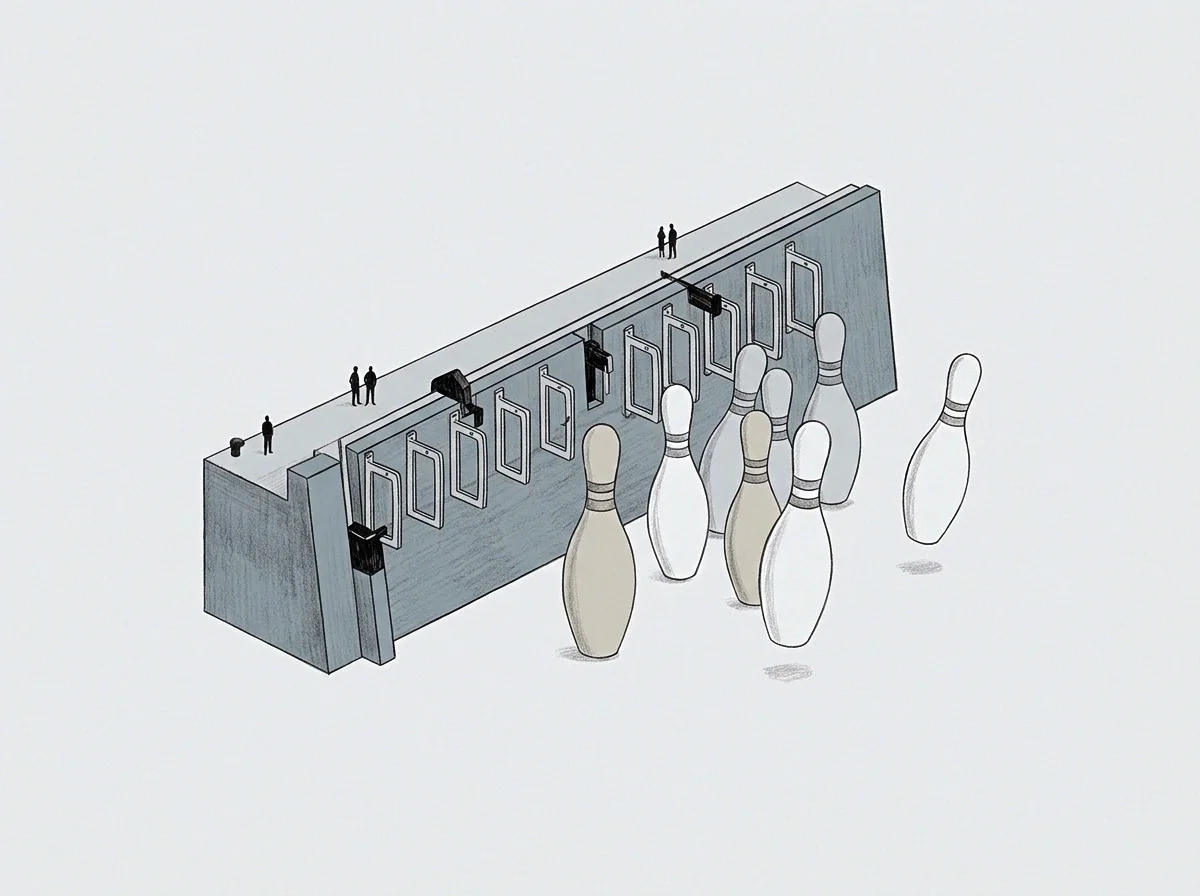
Organizations exhibit latency when responding to executive autonomic exhaustion. Severe systemic wear often manifests internally months before operational metrics reflect performance decline. By the time quarterly key performance indicators signal a problem, the command asset has already sustained substantial physiological depletion.
Structural design must account for this reporting lag by embedding automated recovery protocols directly into operational governance.
Objective tracking reveals systemic physiological depletion long before performance indicators show decline.
Regulator capacity sets the ultimate upper limit for organizational scaling. An organization cannot safely exceed the regulatory capacity of its high command seats. Protecting autonomic baselines preserves the core decision engine driving the entire enterprise.
How long can an organization sustain peak operational throughput before unmitigated command wear forces systemic performance degradation?