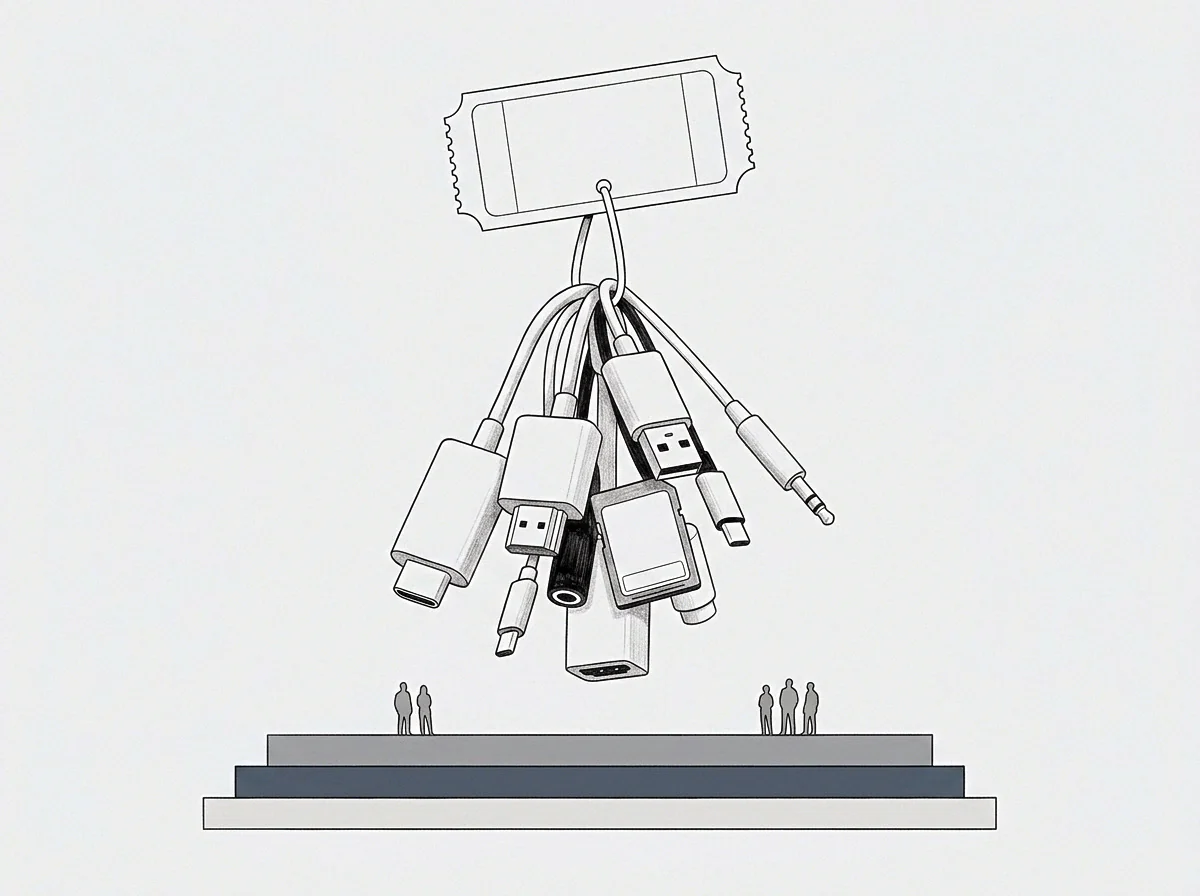
Meaning
Interdependent operational boundaries between two closely linked physiological or organizational agents facilitate real-time bidirectional transmission of regulatory load. Through continuous signal exchange, a coupled interface binds the internal states of both participants so that autonomic fluctuation in one automatically influences the other. The arrangement ceases to function when latency exceeds reaction windows or when one party erects unilateral firewalls.
Shared Variance
High-bandwidth interactions produce tight correlations in arousal states across organizational seams. Within a coupled interface, elevated anxiety or cognitive strain in one partner transmits through micro-expressions, pacing alterations and abrupt task redistributions. This concurrent linkage reduces the isolation of individual nodes but exposes the combined unit to systemic oscillations.
Local instability propagates across the entire boundary before autonomous dampening routines can intervene.
Transmission Cost
Maintaining an open boundary demands continuous computational and metabolic throughput. Operating through a coupled interface consumes attention because incoming data streams require immediate filtering and responsive postural adjustments. When the partner node exhibits erratic behavioral patterns, the host node expends excess capacity absorbing variance, which drains reserves allocated to external execution.
This persistent friction converts collaborative bandwidth into an energetic liability over sustained operational cycles.
Separation Hazard
Severing a highly synchronized link leaves both agents vulnerable to sudden regulatory deficits. Disengaging from a coupled interface requires immediate compensation through independent top-down governance, which often produces transient performance drops and acute autonomic spikes. Agents lacking mature autonomous stabilization mechanisms experience destabilizing shock when decoupled abruptly from a shared operational buffer.
Long-term structural resilience requires controlled boundary modulation rather than unmediated continuous exposure.