Meaning
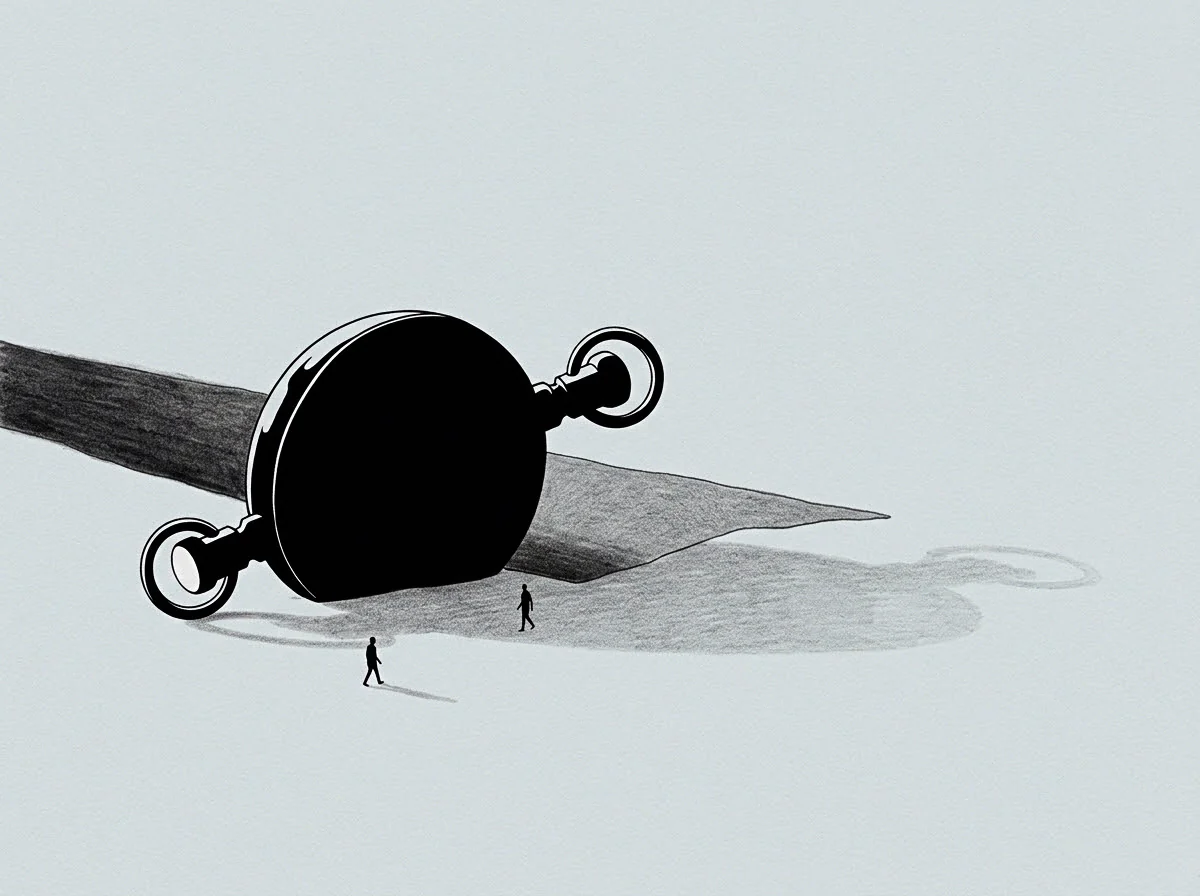
Suspension of progress occurs when the volume of incoming data exceeds the processing ability of the governing individual. A decision stall creates a paralysis where no path forward is chosen despite the presence of clear options. It happens most frequently when the load of regulation is high and the cost of error is perceived as terminal.
This state stops all forward motion and consumes substantial energy through rumination without resolution.
Cognitive Friction
Overload in the prefrontal cortex leads to a breakdown in the ability to weight different outcomes. When decision stall takes hold, the individual spends hours looking at the same variables without reaching a conclusion. This condition represents a biological response to an overwhelming environment.
It generates heat in the form of stress but no light in the form of action.
Operational Consequence
Cost to the organisation is measured in lost time and missed windows of opportunity. While the leader is in a decision stall, the rest of the system remains in a state of suspended animation. Staff lose direction.
Projects lose momentum. The financial price of this delay can be quantified in burned capital and stalled revenue. It often leads to a loss of trust from stakeholders who rely on steady leadership.
Recovery Logic
Exit from this state usually requires the introduction of external regulation or a strict time limit. By forcing a choice, even an imperfect one, the individual breaks the cycle of paralysis. Once motion is restored, the capacity to process information usually returns.
This boundary marks the point where individual autonomy becomes a liability.