Meaning
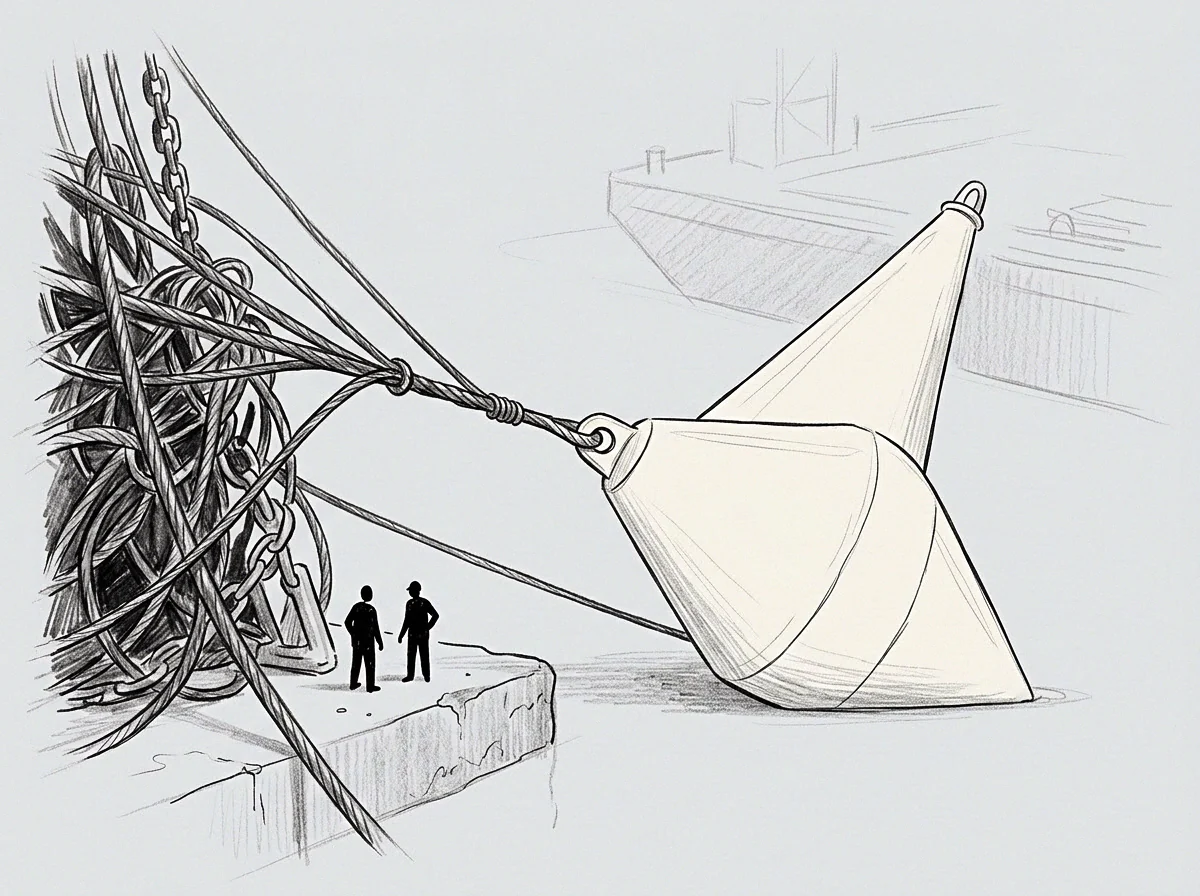
Physiological attenuation of receptor density or hormone production reduces cellular sensitivity during sustained overstimulation across the endocrine system. Through endocrine downregulation, biological tissues deliberately decouple their responsiveness to mitigate potential tissue damage from unrelenting neuroendocrine input. The perimeter of this mechanism encompasses homeostatic receptor internalization and suppressed gene expression, ending where absolute glandular failure or irreversible structural necrosis begins.
Peripheral tissues accept lower metabolic throughput as a necessary defense against excitotoxicity and unchecked catabolism.
Desensitization Mechanism
Hormonal overexposure prompts target cells to phosphorylate surface receptors, triggering rapid clathrin-mediated endocytosis. Internalized receptors enter endosomal pathways where sorting proteins route them to lysosomes for enzymatic degradation rather than recycling them to cell surfaces. Concurrently, nuclear transcriptional repressor proteins bind to promoter regions of target genes, silencing mRNA synthesis for new receptor proteins.
Intracellular signaling cascades collapse, blunting response to elevated circulating hormone levels. The cell effectively closes its signaling channel against unrelenting upstream demands.
Operational Load
Protective cellular dampening carries severe penalties for overall systemic performance and physiological stamina. Operating within a state of endocrine downregulation demands higher neural effort to initiate identical biological work outputs. Hypothalamic and pituitary centers expend scarce metabolic energy overproducing hormones that peripheral tissues deliberately ignore.
Founders experience sharp drops in focus, sluggish cognitive capacity, and delayed physical recovery from routine stressors. Biological compensation fails over extended periods, requiring prolonged resting periods to clear accumulated allostatic load.
Receptor Turnover
Restoring functional responsiveness requires the absolute clearance of circulating ligands over sustained recovery windows. De novo protein synthesis must outpace degradation before baseline cell-surface receptor density re-establishes, resetting operational control parameters for systemic adaptation.