
Rebuilding Endocrine Sensitivity While Managing Enterprise Volatility
Endocrine sensitivity returns when enterprise volatility is decoupled from biology through strict communication barriers and restored circadian rhythms.

Toll
Four browser windows stay open at midnight while the phone vibrates against the desk wood with incoming supplier revisions. The human adrenal cortex responds to persistent commercial uncertainty by continuously releasing glucocorticoids, catecholamines, and inflammatory cytokines. When revenue variability pairs with constant operational friction, the endocrine axis loses its normal circadian rhythm.
Cortisol flatlines into an elevated, blunt plateau while target tissues protect against steroid toxicity by reducing receptor density, altering receptor affinity, and accelerating ligand degradation.
This biological reaction creates endocrine resistance. High concentrations of the circulating messenger persist even as the intended metabolic or immune signal stops registering inside the cell. Glucocorticoid receptor alpha expression declines within peripheral leukocytes, allowing nuclear factor kappa B to run unchecked and driving up systemic inflammation.
The operator feels exhausted through daylight hours and wired past midnight while memory retrieval slows. Glucose utilization shifts toward central visceral storage as muscle protein synthesis decelerates.
Circulating cortisol remains elevated while target tissue sensitivity declines whenever operational friction outlasts the physiological recovery window.
Commercial leadership literature misnames this state, frequently calling it depression, loss of commitment, or simple fatigue. The Maslach Burnout Inventory captures part of the operational picture through exhaustion and cynicism, yet psychological inventories miss the underlying cellular mechanism. In true depression, central drive collapses alongside anhedonia.
In an allostatic ceiling state, motivation remains intact while physical tissue refuses transmission. The processor works; the bus cannot clear the signal. Attempting to solve cellular receptor desensitization by taking synthetic stimulants, skipping meals, and increasing work hours only accelerates endocrine receptor down-regulation.
When an operator misinterprets cellular resistance as a defect of personal will, increasing task volume to compensate accelerates receptor degradation across the cardiovascular, metabolic, and neuroendocrine systems.
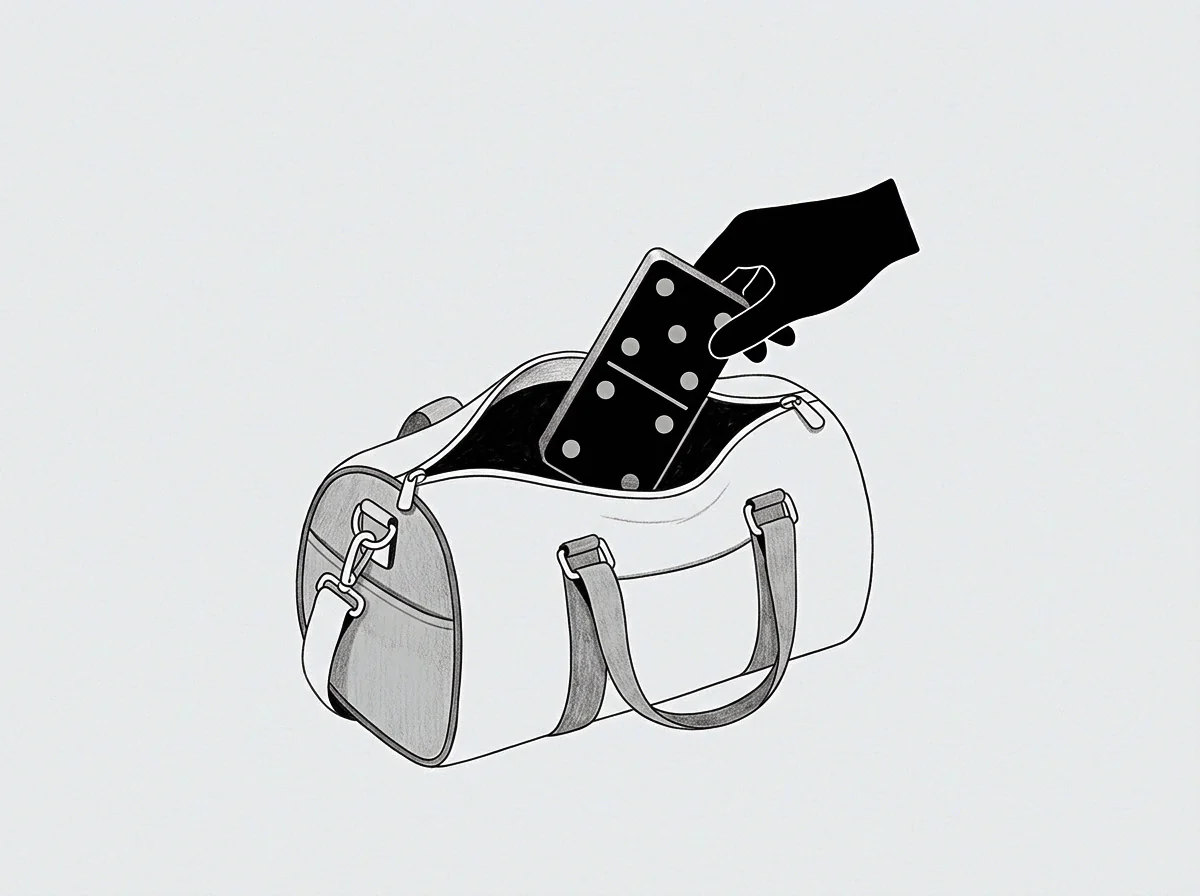
Receptor
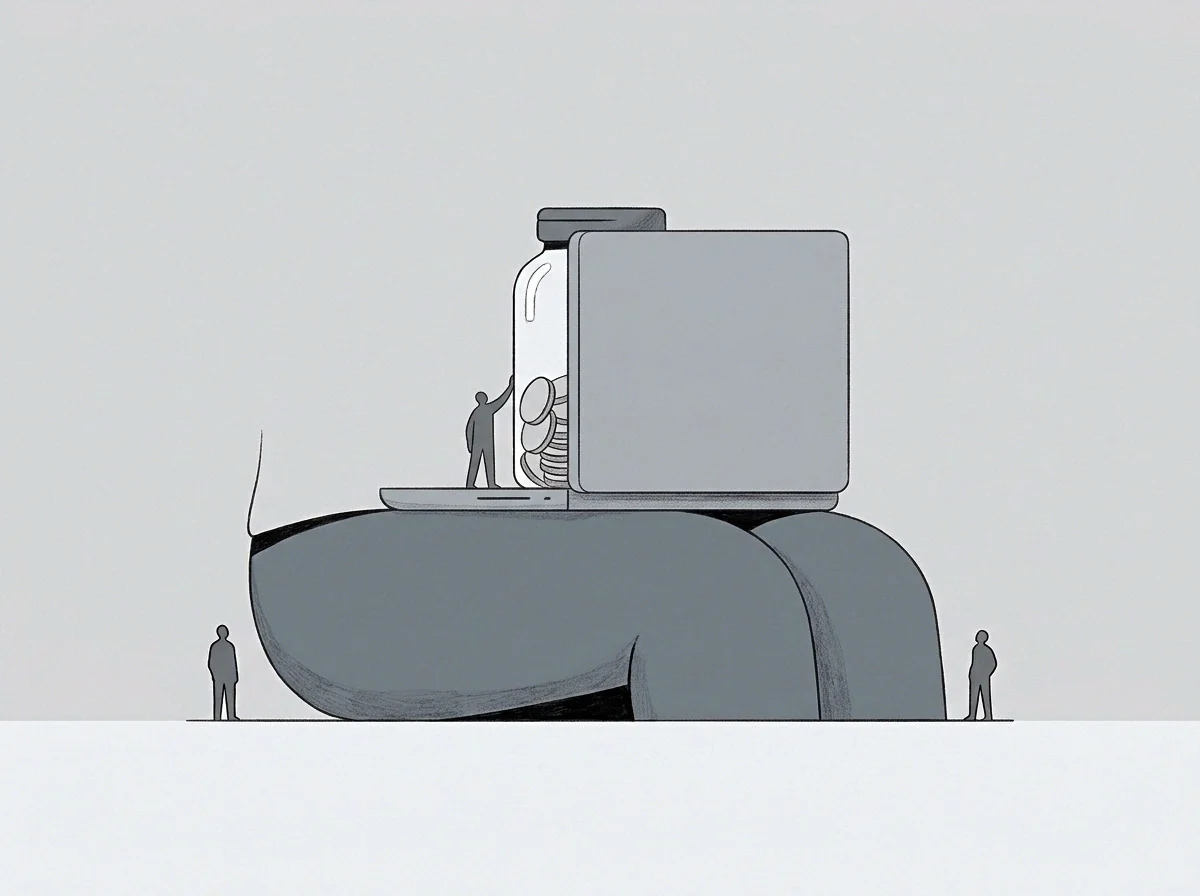
The Molecular Cost of Chronic Signal Saturation
Signal duration dictates endocrine tissue response. Glucocorticoid signaling relies on two distinct binding systems: mineralocorticoid receptors, which hold high affinity for cortisol and remain saturated under basal conditions, and glucocorticoid receptors, which display a tenfold lower affinity and recruit only during acute stressors or circadian peaks. Constant enterprise volatility keeps glucocorticoid receptors continuously occupied, triggering homologous desensitization.
The receptor-ligand complex translocates to the nucleus, promotes transcription of its target genes, and tags the receptor protein for ubiquitin-mediated proteasomal degradation.
Concurrently, prolonged catecholamine stimulation acts on beta-2 adrenergic receptors. G-protein coupled receptor kinases phosphorylate the receptor tail and recruit beta-arrestin, which uncouples the receptor from adenylyl cyclase, internalizes it via clathrin-coated pits, and degrades it in lysosomes. Vascular smooth muscle loses tone regulation while cardiac pacemaker cells down-regulate output flexibility.
Blood pressure climbs as peripheral vascular responsiveness becomes erratic, leaving the body to burn metabolic fuel inefficiently because adrenergic signaling no longer cleanly mobilizes glycogen stores.

Thyroid and Gonadal Axis Down-Regulation
Systemic adaptation spreads across interconnected endocrine loops. Persistent activation of the hypothalamic-pituitary-adrenal axis suppresses the hypothalamic-pituitary-thyroid axis, as elevated systemic cortisol and interleukin-6 inhibit pituitary thyrotropin-releasing hormone synthesis. Peripheral conversion of inactive thyroxine to active triiodothyronine declines, shifting instead toward reverse triiodothyronine, which occupies cell sites without initiating transcriptional activation.
Resting metabolic rate drops, causing the body to hoard fat stores and slow gut motility despite adequate caloric intake.
Unbroken adrenocortical activation forces the conversion of active thyroid hormone into its inactive reverse stereoisomer.
The gonadal axis suffers parallel attenuation. Corticotropin-releasing hormone directly inhibits hypothalamic gonadotropin-releasing hormone pulses, dropping luteinizing hormone and follicle-stimulating hormone secretion at the anterior pituitary level. In male operators, Leydig cell testosterone production falls sharply, stripping away nitrogen retention, tissue repair speed, and baseline emotional resilience.
In female operators, luteal phase progesterone production drops, precipitating luteal insufficiency, sleep architecture fragmentation, and worsening premenstrual emotional volatility. The clinical picture resembles accelerated biological aging across every tissue compartment.
The primary scientific dispute concerns whether complete receptor restoration requires absolute signal suppression or whether controlled, intermittent signaling pulses can restore baseline receptor density without stopping enterprise operations entirely.
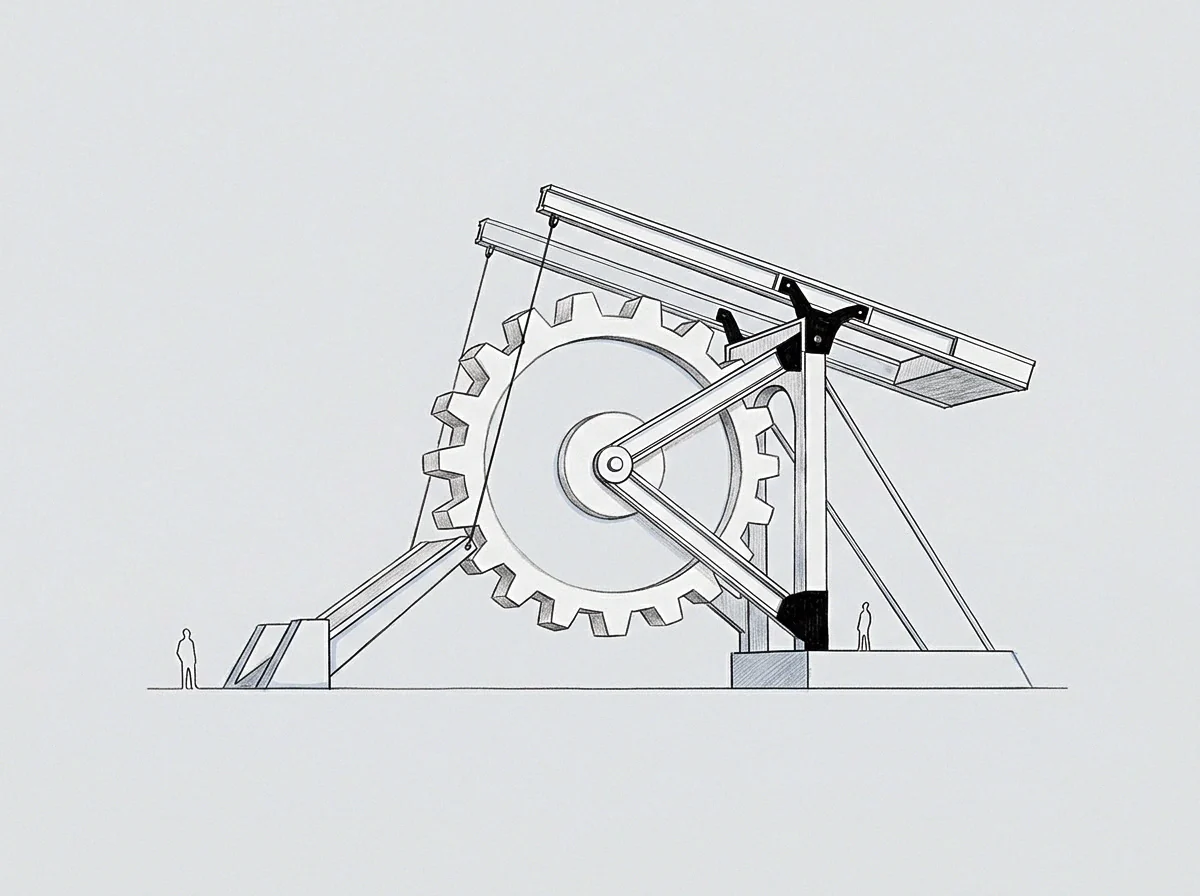
Bed

The Structural Substrate of Enterprise Operations
Rebuilding physiological sensitivity while running a volatile balance sheet demands structural isolation between corporate turbulence and the human nervous system. Most founders act as living surge protectors, absorbing investor panic, counterparty payment delays, and executive departures directly into their personal attention. Every business shock becomes an immediate biological perturbation as the physical body serves as the shock absorber for the capitalization table.
This failure mode originates in an ungated operating model. When communications arrive through asynchronous channels that trigger push notifications throughout the night, the endocrine system registers every notification as an existential survival challenge. Adrenaline surges precede cognition.
Even when a founder leaves a message unread, the anticipation of commercial disaster maintains high sympathetic nervous system tone. Rest demands predictable boundaries around attention.
| Variable | Direct Absorption State | Gated Buffer State |
|---|---|---|
| Circadian Cortisol Curve | Flattened elevation across twenty-four hours | Sharp morning peak with steep evening clearing |
| Glucocorticoid Receptor Density | Markedly down-regulated on peripheral monocytes | Normal receptor density and cellular sensitivity |
| Free Triiodothyronine Ratio | Low conversion with high reverse T3 dominance | Balanced free T3 to reverse T3 distribution |
| Autonomic Nervous Tone | Continuous sympathetic dominance; low vagal tone | High heart rate variability during rest blocks |
| Commercial Shock Transmission | Immediate biological spike upon counterparty friction | Filtered through organizational buffers and set intervals |
Structural intervention begins with communication quarantine, where the operator establishes strict parameters governing how and when enterprise volatility crosses their perceptual threshold. High-stakes communication concentrates inside discrete, pre-scheduled execution blocks. Emergency escalations require human voice contact under pre-negotiated criteria rather than continuous textual pings.
The autonomic system regains the capacity to enter parasympathetic states once the ambient expectation of surprise diminishes.
A written agreement stipulating that operational escalations bypass direct executive attention outside defined daytime windows restores nighttime parasympathetic dominance within twelve days.
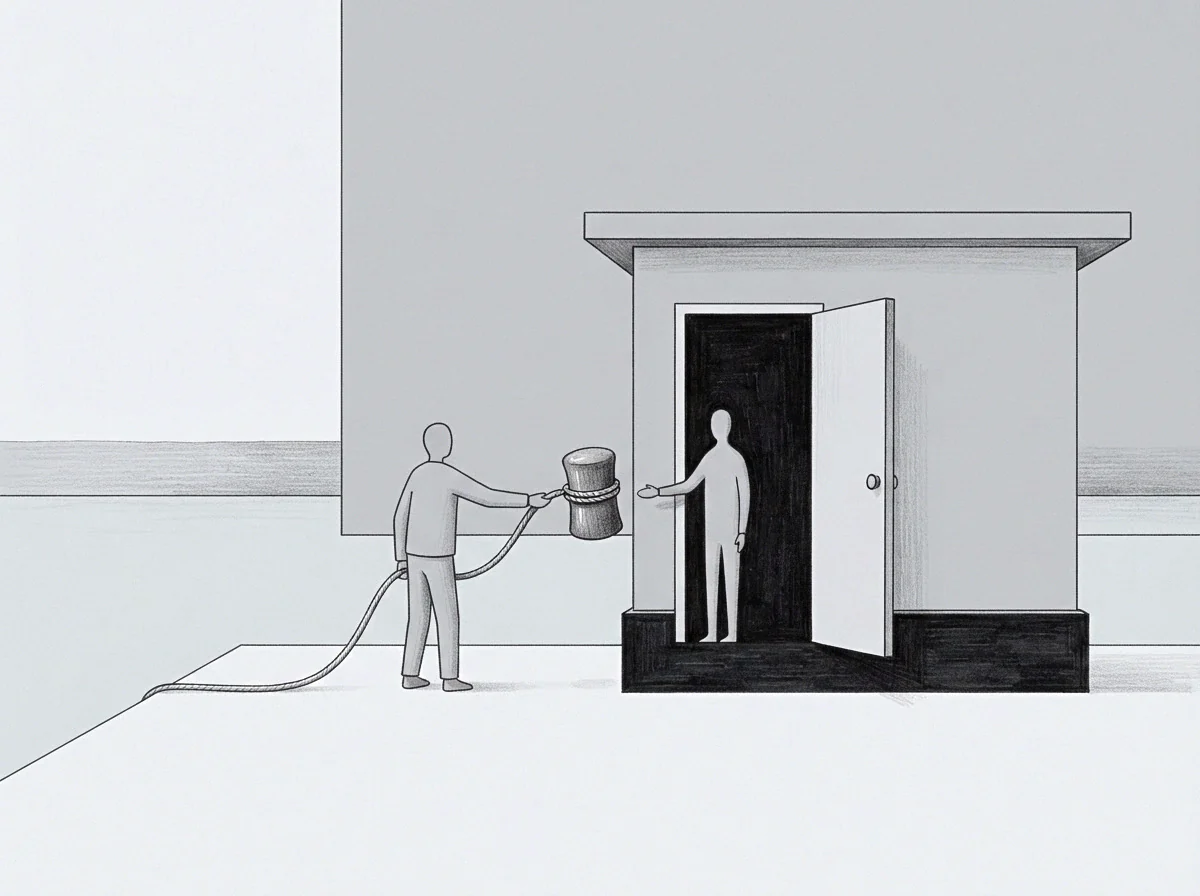
Buffer
Mechanical Insulation Against Volatility
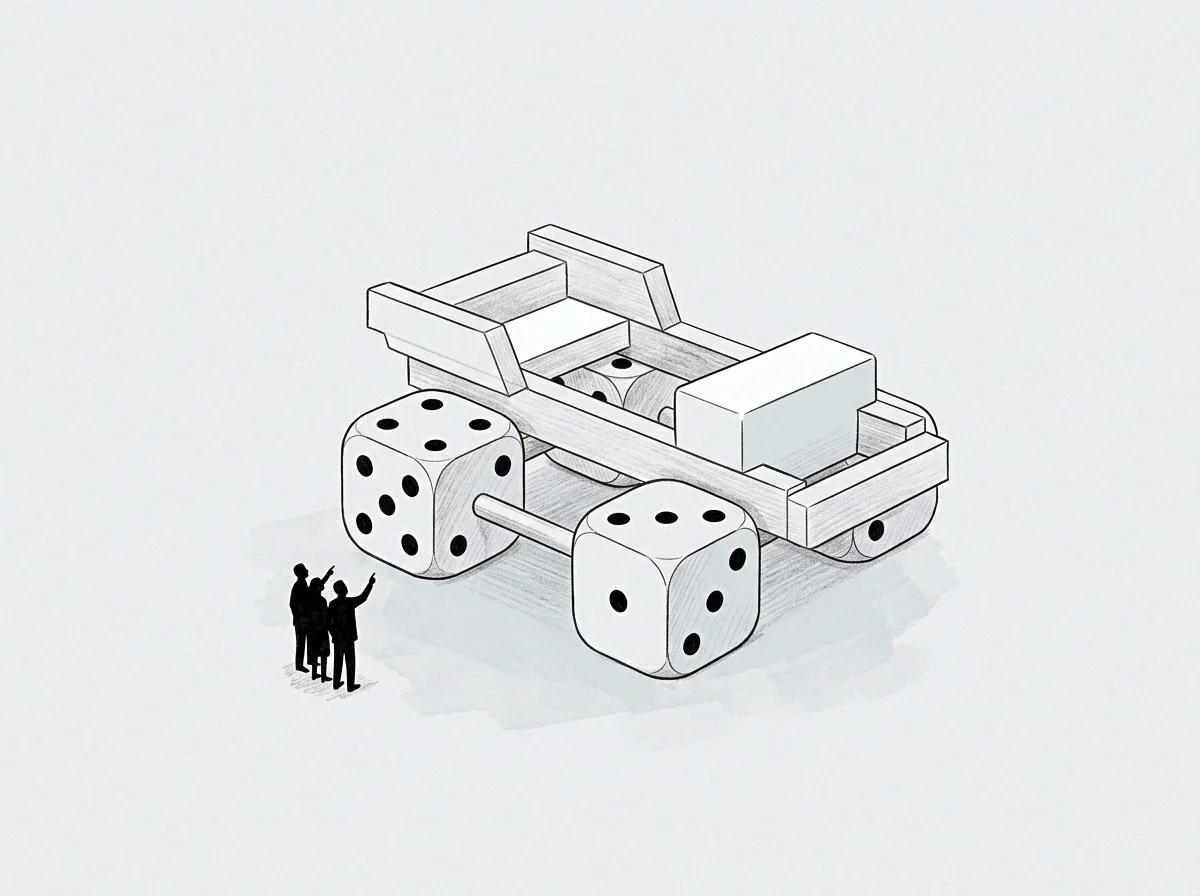
Enterprise volatility cannot be wished away through optimism. Capital markets fluctuate, key personnel quit, and enterprise customers adjust contract terms without warning. Rebuilding endocrine sensitivity therefore requires operational architecture that prevents external volatility from converting into internal biology.
The operator builds three mechanical dampers into the commercial entity itself.
- Treasury Runway Floor maintains liquid operating capital equal to six months of non-negotiable enterprise burn, removing weekly payroll anxiety from the operator’s nervous system.
- Decoupled Operating Authority delegates contractual decision-making below defined financial thresholds to designated team leaders, terminating the continuous demand for executive intervention.
- Asynchronous Escalation Latency establishes mandatory delays between external shocks and strategic responses, eliminating reactive catecholamine surges.
Consider two parallel enterprise environments experiencing a twenty-five percent top-line revenue drop. In an unbuffered company, the founder monitors cash collections hourly, negotiates concessions personally, and sends panic-driven instructions at three in the morning. Their endocrine system remains in acute shock for ninety days while leukocyte glucocorticoid resistance deepens.
In a buffered structure, treasury reserves absorb the immediate impact, predefined contingency playbooks activate automatically, and the operator addresses the strategic reallocation during daylight working hours. The business event remains identical; the human biological toll diverges entirely.
A company without cash reserves and clear delegation policies uses its executive officers as biological shock absorbers.
Physical habits reinforce these organizational structures. The operator anchors endocrine restoration through specific metabolic inputs: morning light exposure within thirty minutes of waking synchronizes the suprachiasmatic nucleus, elevating morning cortisol appropriately and facilitating evening melatonin production. High-intensity resistance training performed twice weekly upregulates androgen receptor density and improves peripheral insulin sensitivity without generating chronic systemic inflammation.
Nutritional timing confines carbohydrate intake to late afternoons, lowering evening sympathetic output and facilitating deep slow-wave sleep cycles.
Enterprise counterparties will state that emergency situations make delayed responses intolerable and that leadership demands around-the-clock personal attention.

Pace
The Physiology of Steady Cadence
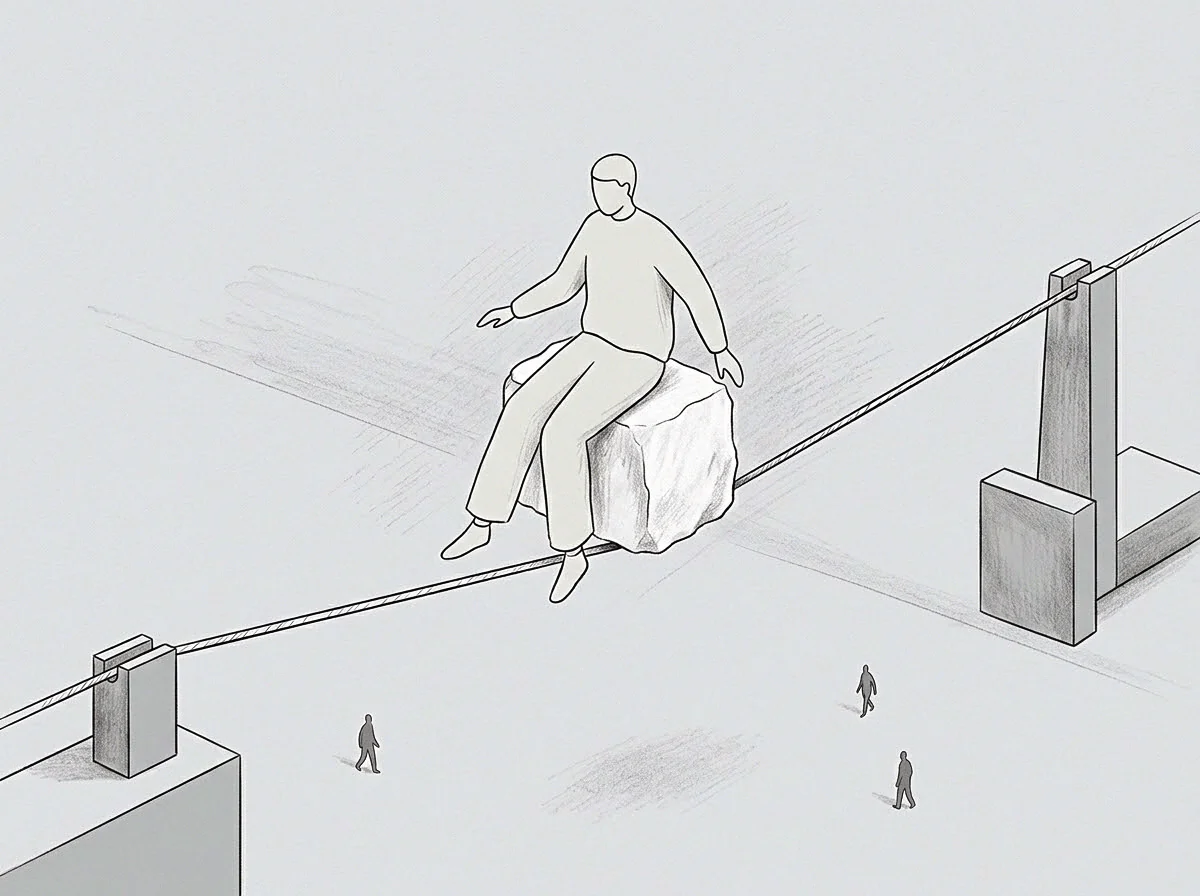
Rebuilding down-regulated endocrine receptors takes time, as receptor populations do not recover in a three-day weekend or through a week of passive leisure. Internalization and proteasomal degradation alter cellular gene expression down to the epigenetic layer. Restoring homeostatic sensitivity across the adrenals, thyroid, and gonads requires consecutive months of predictable biological rhythm.
Human recovery obeys a physiological schedule. The nervous system stabilizes first, with heart rate variability climbing within fourteen days of establishing firm communication gates and sleep hygiene. Metabolic recalibration follows as blood glucose regulation, resting insulin levels, and reverse triiodothyronine clearing normalize across six to eight weeks.
Full endocrine receptor resensitization, marked by restored glucocorticoid sensitivity and renewed androgen receptor density, requires ninety to one hundred and twenty days of uninterrupted circadian consistency.
A founder who restarts chaotic working patterns during week five interrupts this sequence. Because the cellular apparatus remains fragile, early gains evaporate within seventy-two hours of sustained sleep disruption and continuous cognitive saturation. True operational endurance is a discipline of rhythm.
The executive treats the corporate operating calendar as an extension of cellular physiology, matching strategic retreats, product releases, and financing processes to the natural recovery capacity of the human body rather than arbitrary venture milestones.
Long-term operational resilience depends on protecting the physical substrate that makes executive judgment possible.