Meaning
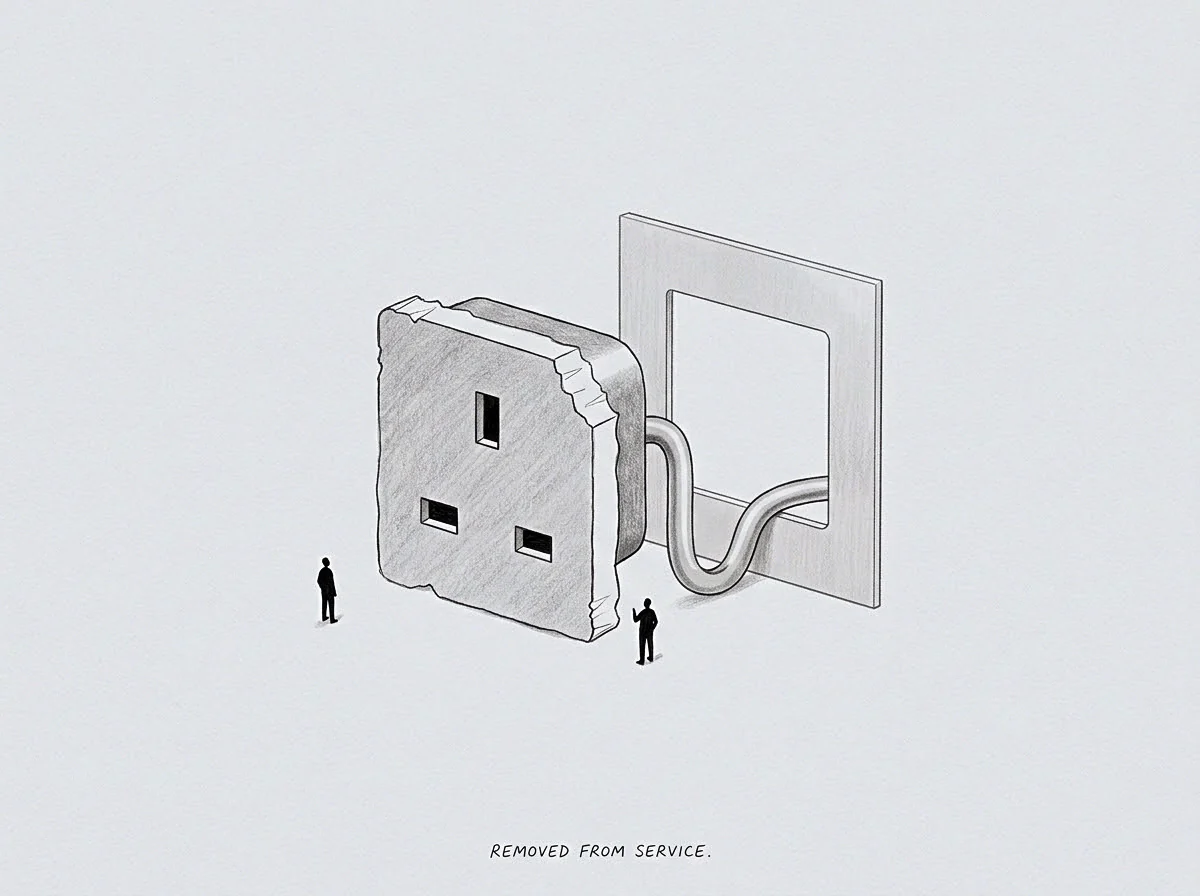
Severe decision-making inhibition occurs when cognitive overload, conflicting data inputs or high failure risk eliminate an individual’s ability to choose an operational course. In leadership roles, executive paralysis appears when complex strategic choices produce cognitive lock, stalling organizational movement. The condition stops active direction while critical business parameters continue to change.
Operational deadlock persists until external pressure forces an outcome or internal decision criteria simplify.
Decision Stagnation
Complex decision environments with asymmetric information create mental gridlock that halts operational momentum. When executive paralysis impacts leadership, routine approvals stall and major capital investments sit unexecuted for extended periods. A leader confronted with conflicting market entry data delays choosing a direction, causing project timelines to slip across dependent departments.
Uncertainty transforms strategic evaluation into repetitive analysis without resolution.
Cognitive Overload
Excessive operational ambiguity depletes executive confidence and mental processing efficiency. Under executive paralysis, the burden of potential failure creates extreme hesitation, forcing teams to operate without clear guidance or definitive targets. The situation demands high attention hours from management as they re-evaluate identical datasets without reaching conclusions.
Prolonged hesitation degrades organizational alignment and erodes employee trust in leadership direction.
Operational Freeze
Organizational progress halts entirely when central decision nodes stop generating direction. Unbreaking executive paralysis requires forcing binary choices or delegating bounded authority to lower management tiers.