Meaning
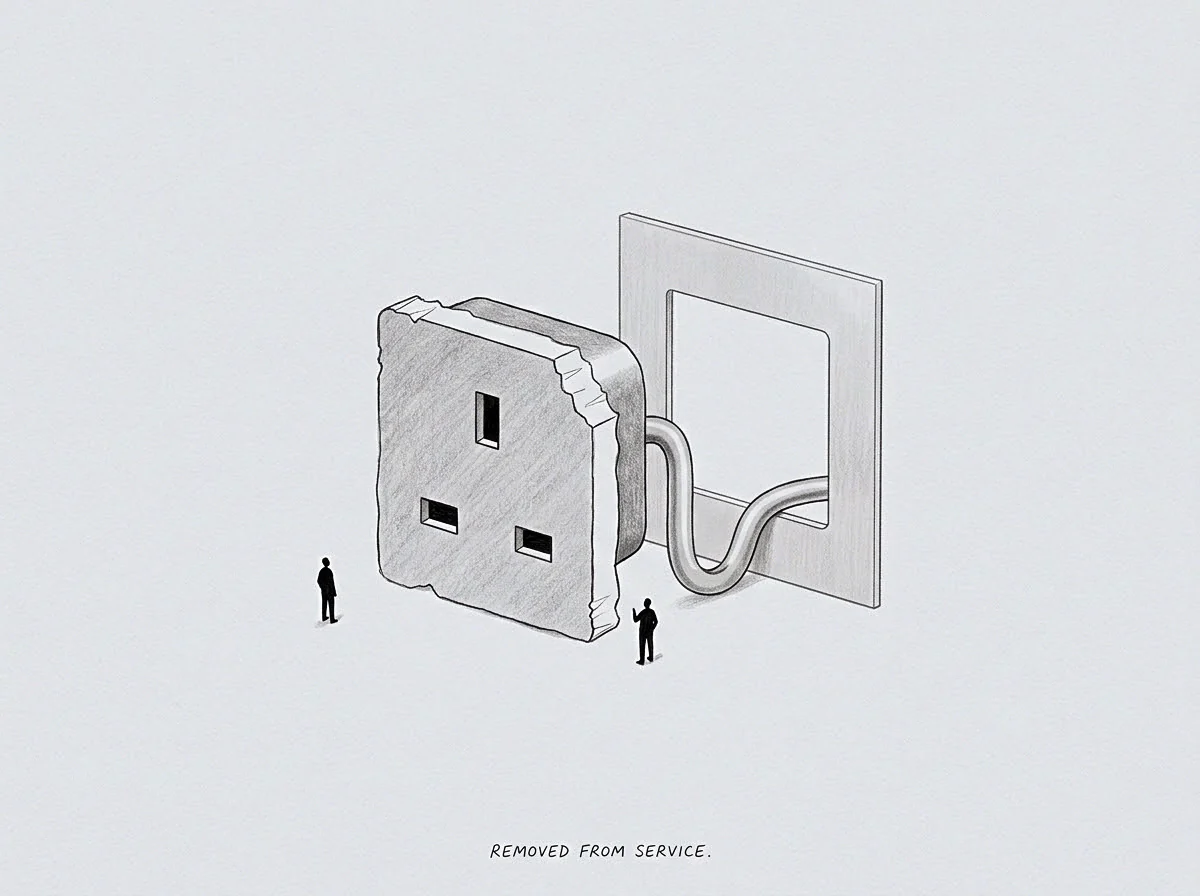
Physiological response systems reduce nervous system activation to protect internal organs during sustained high-stress transitions. Through biological downregulation, the human body actively lowers baseline sympathetic arousal following the intense operational pressure of early-stage leadership. This state persists until physical equilibrium is restored or external demands force a premature return to high reactivity.
Neurological Shift
Executive control shifts from hyper-vigilance to restorative rest once acute chronic stressors recede. Following exit or transition, biological downregulation takes the form of reduced sympathetic output and diminished adrenaline production during decision tasks. This physiological dampening reduces immediate processing speed to rebuild depleted cellular energy.
Recovery Mechanism
Prolonged elevation of stress hormones depletes metabolic reserves and impairs long-term cellular repair processes. During biological downregulation, the autonomic nervous system prioritizes parasympathetic dominance, redirecting metabolic resources toward tissue restoration and immune function. The founder experiences a temporary drop in focus and drive, which reflects physical recovery rather than emotional failure or cognitive decline.
Forcing immediate productivity during this phase interrupts natural restorative pathways and prolongs systemic fatigue.
Metabolic Boundary
Biological capacity imposes hard limits on sustained executive effort across extended periods. Biological downregulation ceases when acute environmental threats trigger emergency hypothalamic signaling. Preserving this protective state requires limiting external operational inputs during recovery phases.