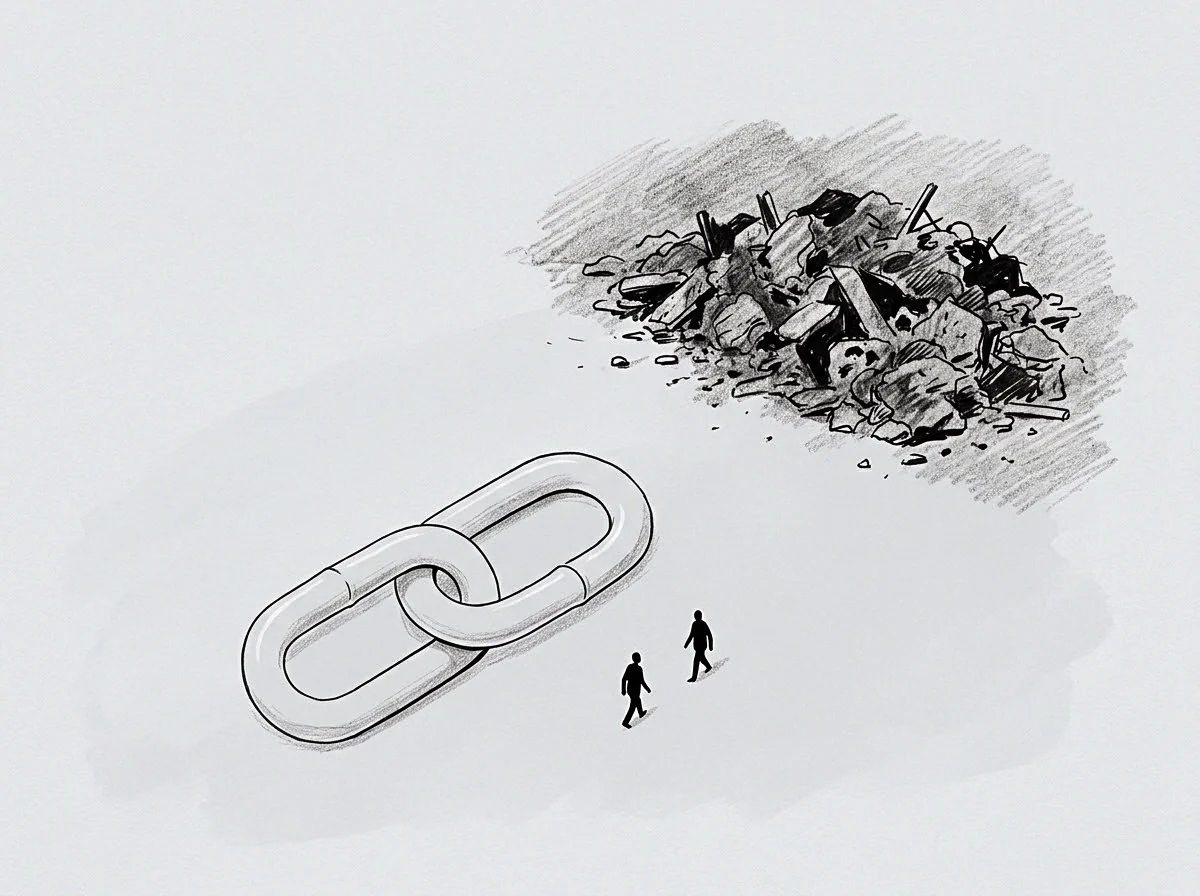
Meaning
Organizational reporting channels naturally reduce, alter or withhold negative information as messages travel upward through management tiers. In growing post-founding structures, friction filtering prevents critical field data and operational defects from reaching executive leadership promptly. Subordinates soft-pedal project delays or market resistance to avoid reporting failure to senior decision makers.
The structural buffer protects executive focus at the cost of operational visibility.
Communication Resistance
Intermediate management layers modify incoming operational reports to project stability and success. Through friction filtering, subtle warning signals in customer churn or software performance are omitted during summary presentations to executive committees. An executive reviewing quarterly dashboards receives sanitized metrics that conceal rising baseline costs and technical debt.
Operational shielding generates an accurate appearance on paper while hiding underlying vulnerabilities.
Information Retention
Selective transmission of status reports creates substantial gaps between strategic assumptions and site reality. Because friction filtering creates a distorted picture of internal performance, leaders base long-term commitments on unrealistic execution assumptions. Executive capacity gets misdirected toward theoretical expansion projects while fundamental delivery issues remain unaddressed.
Resolving this distortion requires independent audit channels and direct operational reviews.
Operational Isolation
Senior management becomes disconnected from daily operational realities when middle management controls data flows. Countering friction filtering requires establishing unmediated communication channels and unannounced operational audits.