Meaning
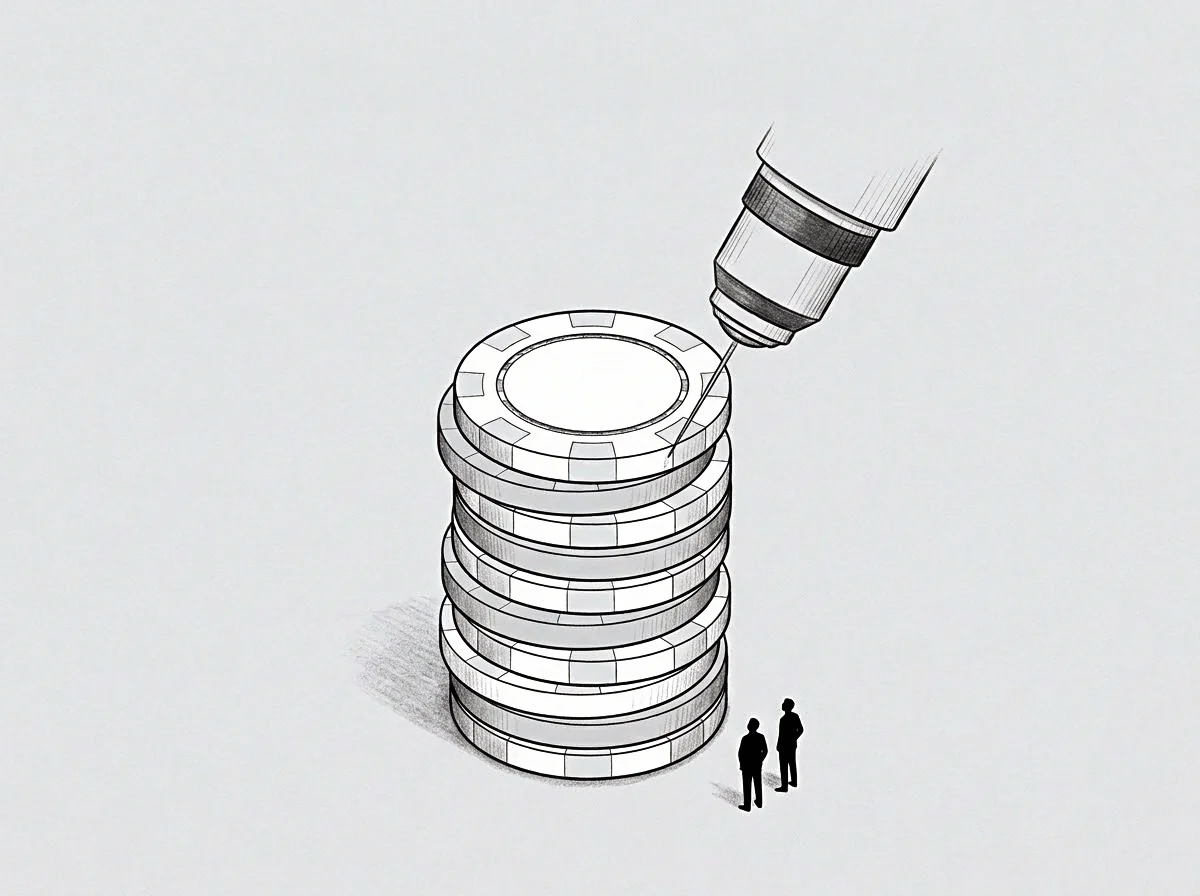
Operational buffers provide the necessary flexibility to handle unforeseen challenges without causing system failure. Having a headroom margin ensures that a business can scale up its operations or absorb sudden market shifts without putting excessive strain on its employees or technology. This buffer represents the difference between maximum capacity and current operational load.
It is measured in terms of both human energy and technical resource availability.
Safety Buffer
Capacity planning must account for the volatility of the operating environment to prevent service degradation. A healthy headroom margin allows the team to undertake emergency tasks without delaying ongoing projects or compromising quality. When this margin is depleted, the organization becomes fragile, and even minor disruptions can cause project delays.
Maintaining the buffer requires regular assessment of team utilization rates and technical performance metrics.
Vulnerability Index
Running operations at peak capacity leaves no room for error or adaptation. When the headroom margin is low, the time required to recover from an operational error increases, leading to customer dissatisfaction and team burnout. This high-utilization state creates a bottleneck where every task becomes urgent, and the ability to plan strategically is lost.
The financial and reputational cost of such failures often exceeds the cost of maintaining a continuous reserve of capacity.
Mitigation Strategy
Strategic hiring and the automation of routine processes help to sustain the required buffer. Prioritizing the headroom margin during growth phases ensures that the organization remains resilient. This proactive approach prevents employees from operating at their limits.