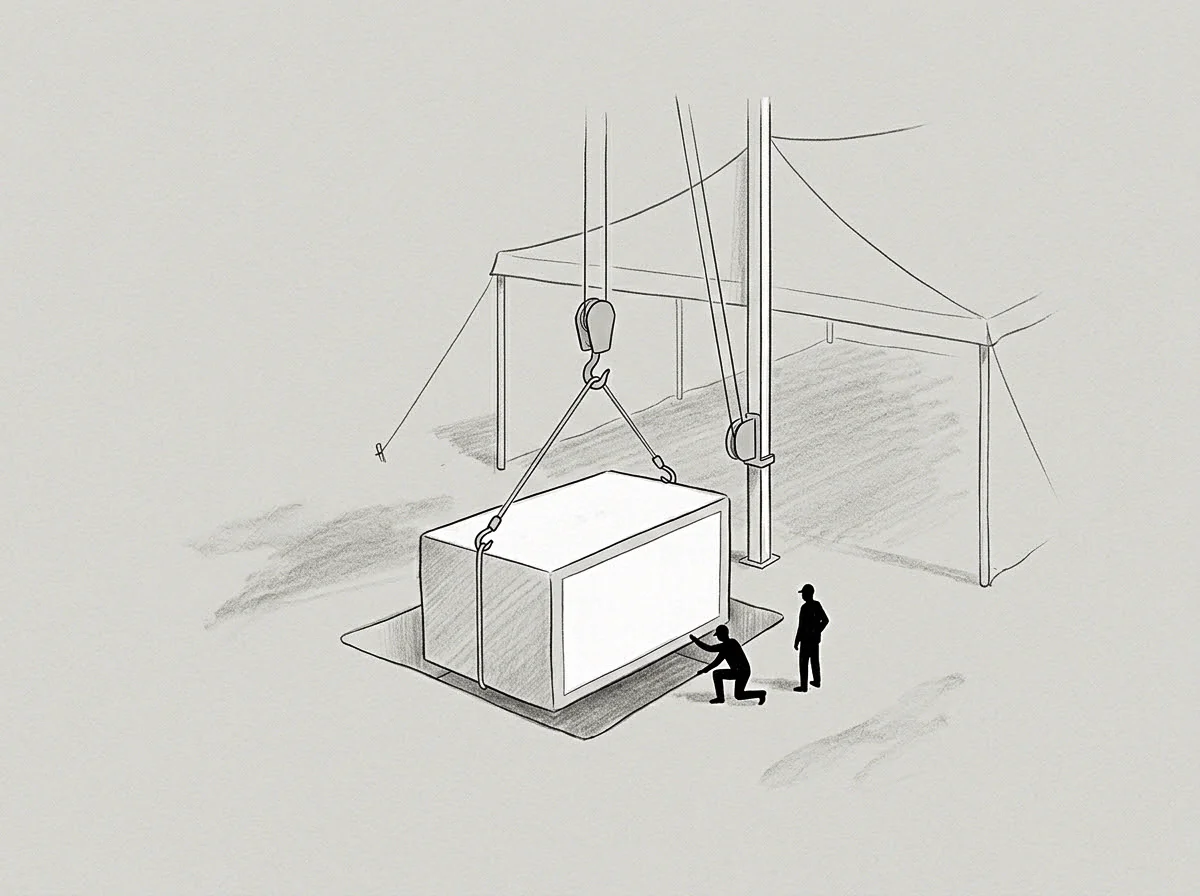
Meaning
Stream of requests for attention, action, resources and temporal capacity arrives from external sources and requires processing by the individual. In the post-founding phase, incoming demand often exceeds the time available, forcing a constant state of triage. It represents the external pressure on the system’s capacity.
Pressure Flow
Requests enter the system through multiple channels such as email, meetings, direct messages and voice calls. When incoming demand is high, the person must decide which items to address and which to ignore. This constant decision-making is a primary source of cognitive fatigue.
The sheer volume of the flow can become overwhelming.
Throttling Mechanism
Managing the rate of intake involves setting boundaries and using filters to reduce the load. The cost of incoming demand is the loss of time for deep work and the mental friction of switching between tasks. To survive, a person must use a throttling mechanism to limit how many requests reach their desk.
This may involve delegating or simply letting some requests go unanswered.
Demand Limit
System saturation occurs when the rate of arrival is faster than the rate of processing. Once this boundary is reached, the backlog grows indefinitely. This leads to a state of permanent reactive work where the person can no longer set their own agenda.
Breaking this cycle requires a fundamental change in how the system interacts with the outside world.