
Vagal Brake Reactivation Through Low Demand Proximity
Myelinated ventral vagal fibers slow cardiac rhythm when physical co-presence carries zero evaluative or communicative demand, lowering metabolic regulation costs.

Conduction
Sinoatrial Regulation and Cardiac Pacemaking
Myelinated efferent fibers originating in the nucleus ambiguus extend to the heart, releasing acetylcholine to slow firing at the primary pacemaker. This parasympathetic pathway serves as an active brake on cardiac chronotropy. Under sustained operational pressure, a surge in peripheral arousal prompts the brainstem to withdraw this inhibition.
Heart rate climbs immediately, blood pressure rises, and metabolic expenditure accelerates to meet perceived demands. Without an external physiological signal of safety, the brain maintains high vigilance, keeping the parasympathetic brake disengaged even during overt physical inactivity.
While the sinoatrial node sets intrinsic rhythm, environmental signals determine whether cardiac suppression reactivates. Traditional recovery protocols focus on physical isolation or cognitive restructuring, but human physiology runs on an older metabolic budget. In isolation, the neural circuits evaluating risk continue background calculations, burning glycogen and maintaining baseline sympathetic tone.
Proximity to another living body alters this baseline, though only under specific interactive terms.
Neuroception Under Zero Evaluative Load
Subcortical structures continually monitor sensory input for risk or safety outside conscious awareness. This process, known as neuroception, picks up subtle behavioral cues from nearby individuals. High demand proximity arises when a companion introduces conversational expectations, emotional volatility, or evaluative scrutiny, signaling elevated cognitive and social requirements.
In response, the brainstem keeps the vagal brake withdrawn, maintaining energetic readiness for potential negotiation or defense.
Vagal brake reactivation occurs when physical proximity provides safety inputs without triggering executive evaluative processes.
Low demand proximity occurs when two people share space without conversational, task-related, or emotional obligations. When a companion exhibits a settled physiological tone and imposes no performance demands, neuroception registers environmental stability. Myelinated vagal motor fibers re-engage, slowing heart rate and lowering baseline metabolic spending.
A non-evaluative presence acts as a structural catalyst, shifting autonomic expenditure from active defense toward biological maintenance.
Slot

The Inverted Operational Pattern
Early environments often condition key personnel to stabilize those around them while suppressing their own regulatory needs. An operator shaped by these conditions internalizes a pattern where personal stability relies entirely on self-management or on managing others. In leadership roles, this inverted template drives interpersonal dynamics: the leader acts as an emotional and physiological buffer for an organization, absorbing volatility while projecting steady direction.
Over time, this structure shapes neural architecture. The biological systems that process shared regulation or external comfort remain unused, expanding the capacity to export calm while atrophying the receptor slot needed to receive it. When a companion offers quiet physical presence, the leader’s nervous system fails to recognize the input as a metabolic subsidy.
Receptor Capacity Atrophy in High Capacity Leaders
An unpatterned receptor slot converts potential co-regulation into physiological stress. When a companion sits beside a high-capacity leader, the leader’s internal model interprets that presence through historical obligation, misreading simple physical proximity as a hidden operational demand or an incoming task.
- Inverted signaling turns an offer of quiet presence into a perceived requirement for outward emotional stabilization.
- Vigilant holding sustains sympathetic tone even when sitting beside an unchallenging companion in a motionless room.
- Structural asymmetry develops when all historical arrangements force outward regulation rather than inward rest.
Even while sitting motionless, the leader’s nervous system alters baseline budgeting. Until this internal model updates through repeated non-evaluative exposure, the operator stays locked in solitary self-regulation regardless of who is nearby.
An unpatterned receptor slot transforms low demand proximity into an additional monitoring task until the internal working model updates.
Sitting quietly together without speaking or fixing anything feels straightforward and requires no effort.

Seat
Comparative Expenditure Across Interaction Models
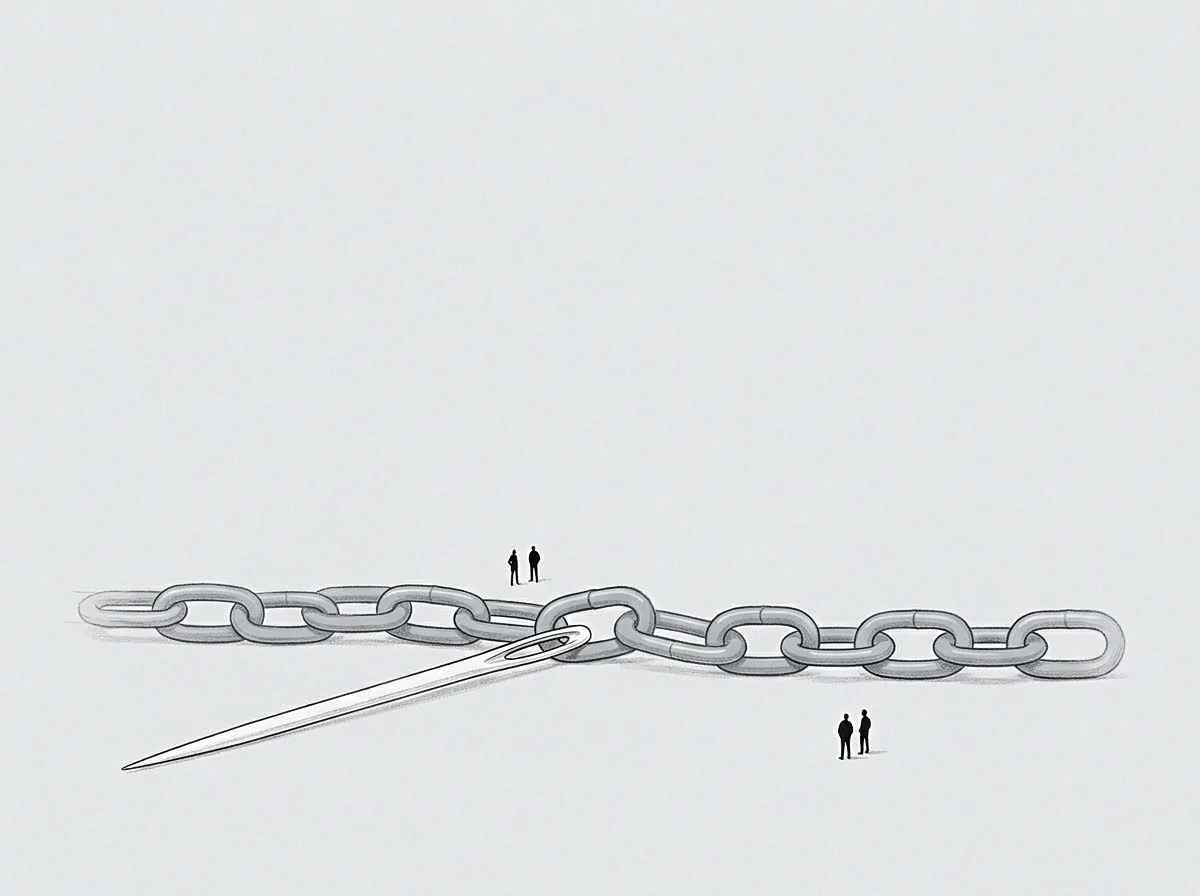
Physical arrangement governs energetic balance during co-presence, determining whether vagal braking re-engages or stays suppressed. Facing someone directly maintains high visual monitoring load and signals potential evaluation. Sitting side-by-side or at an angle reduces eye contact, lowering neuroceptive vigilance and overall energetic expenditure.
| Interaction Condition | Communicative Expectation | Autonomic State | Metabolic Expenditure |
|---|---|---|---|
| Active Interrogation | Continuous direct responses required | Sympathetic elevation, vagal brake off | High expenditure per unit time |
| Passive Monitoring | Intermittent attention and assessment | Mixed arousal, partial vagal withdrawal | Moderate continuous drain |
| Low Demand Proximity | Zero verbal or task performance expected | Ventral vagal brake reactivated | Lowest baseline metabolic expenditure |
Assumptions in Physical Co-Presence Calibration
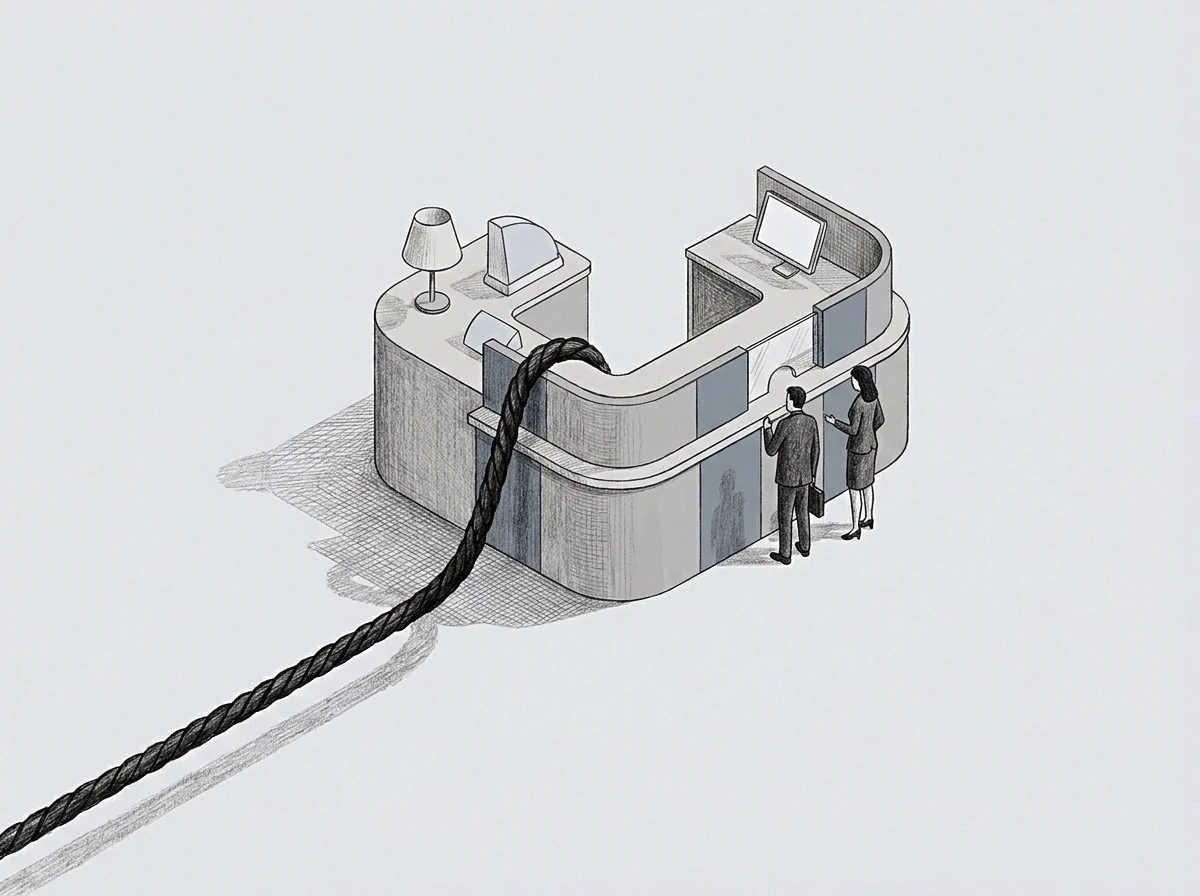
Consider two individuals in an established partnership where one carries a heavy operational load, sharing a room for two hours without speaking. Under Active Interrogation, direct questions demand continuous executive processing, keeping heart rate elevated and suppressing respiratory sinus arrhythmia. Under Passive Monitoring, unpredictable verbal interruptions prevent parasympathetic settlement, maintaining a low-grade state of alert.
Under Low Demand Proximity, both parties establish that no conversation, eye contact, or performance is expected. The operator rests or reads while the companion works nearby without monitoring them. By minute ten, the brainstem registers the absence of social threat: heart rate drops by four to eight beats per minute, and respiratory sinus arrhythmia amplitude increases as myelinated vagal paths regain control over the sinoatrial node.
With lower costs to maintain homeostasis, cellular repair and cognitive restoration proceed.
Physical presence without conversational obligation reduces metabolic baseline expenditure faster than solitary isolation.
Physical proximity eases nervous system strain only when both individuals treat silence as a complete state.
Attenuation

Why Does Presence Without Interrogation Restore Autonomic Headroom?
Social baseline theory holds that human biology treats shared space with a trusted companion as its default low-cost operational state. Solitary self-regulation is an expensive adaptation built for emergencies or solo foraging. During extended periods alone, the brain budgets metabolic resources as if all defense, monitoring, and survival tasks fall on a single body, reducing available capacity over time.
Autonomic recovery requires low friction. Proximity to a non-demanding companion allows the brain to offload background vigilance onto a shared unit, immediately freeing metabolic capacity. The ventral vagal complex re-engages the cardiac brake, reducing excess sympathetic discharge and suppressing unnecessary cortisol secretion.

Throttling Distinguished From Clinical Withdrawal
A frequent point of confusion among high-performing personnel is distinguishing physiological throttling from clinical depression. When an operator systematically engages low demand proximity, the sudden drop in peripheral arousal can mimic a loss of drive. In reality, this state reflects functional autonomic throttling, a deliberate homeostatic conservation of energetic headroom following prolonged over-activation.
- Acute physiological load leads to sympathetic overload and vagal brake withdrawal during solo operational management.
- Entering low demand proximity signals safety to the brainstem, allowing motor vagal tone to suppress cardiac acceleration.
- Restored respiratory sinus arrhythmia increases physiological variability and builds long-term stress resilience.
Autonomic throttling conserves metabolic capacity when sustained high-demand operational states exceed biological recovery thresholds.
Mistaking physiological downregulation for a loss of professional drive leads operators to reject regulatory proximity, accelerating systemic exhaustion.

Sequence

Earned Security Through Experiential Iteration
Updating an entrenched regulatory template requires repeated somatic exposure rather than intellectual analysis. Reasoning alone cannot open a closed receptor slot, as conceptual understanding leaves subcortical neuroception unchanged. Because physiology registers unvoiced expectations, the nervous system shifts its baseline assumptions only through repeated experiences where proximity carries no hidden transactional costs.
As repeated co-presence gradually builds trust, heart rate variability increases and autonomic flexibility returns. When first practicing low demand proximity, an operator may feel mild discomfort or hyper-vigilance during quiet shared time as the brainstem searches for expected demands. When a companion consistently requires nothing over consecutive weeks, neuroception updates its underlying probability models.
Longitudinal Shifts in Regulatory Efficiency
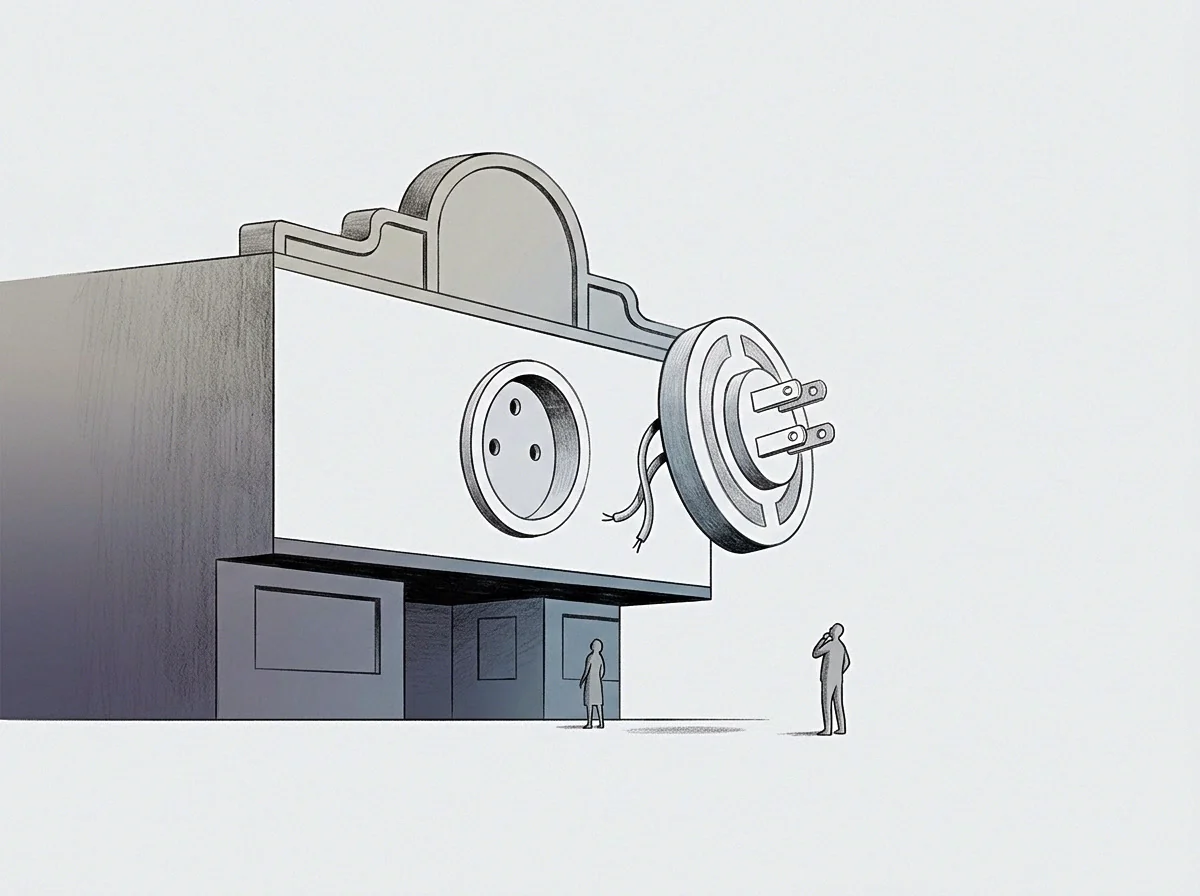
Consider the shifts across a twelve-month timeline. In month one, sitting quietly beside a partner for thirty minutes triggers intermittent sympathetic spikes as the operator resists the impulse to talk or manage the room. By month four, the operator reaches passive acceptance, allowing heart rate to settle during silence.
By month twelve, the companion’s presence becomes an automatic regulatory anchor; the brainstem recognizes quiet physical proximity immediately, engaging the vagal brake within three minutes.
As these quiet interactions repeat over months, the nervous system recalibrates its baseline calculations, letting the vagal brake engage automatically in the presence of a non-evaluative companion.