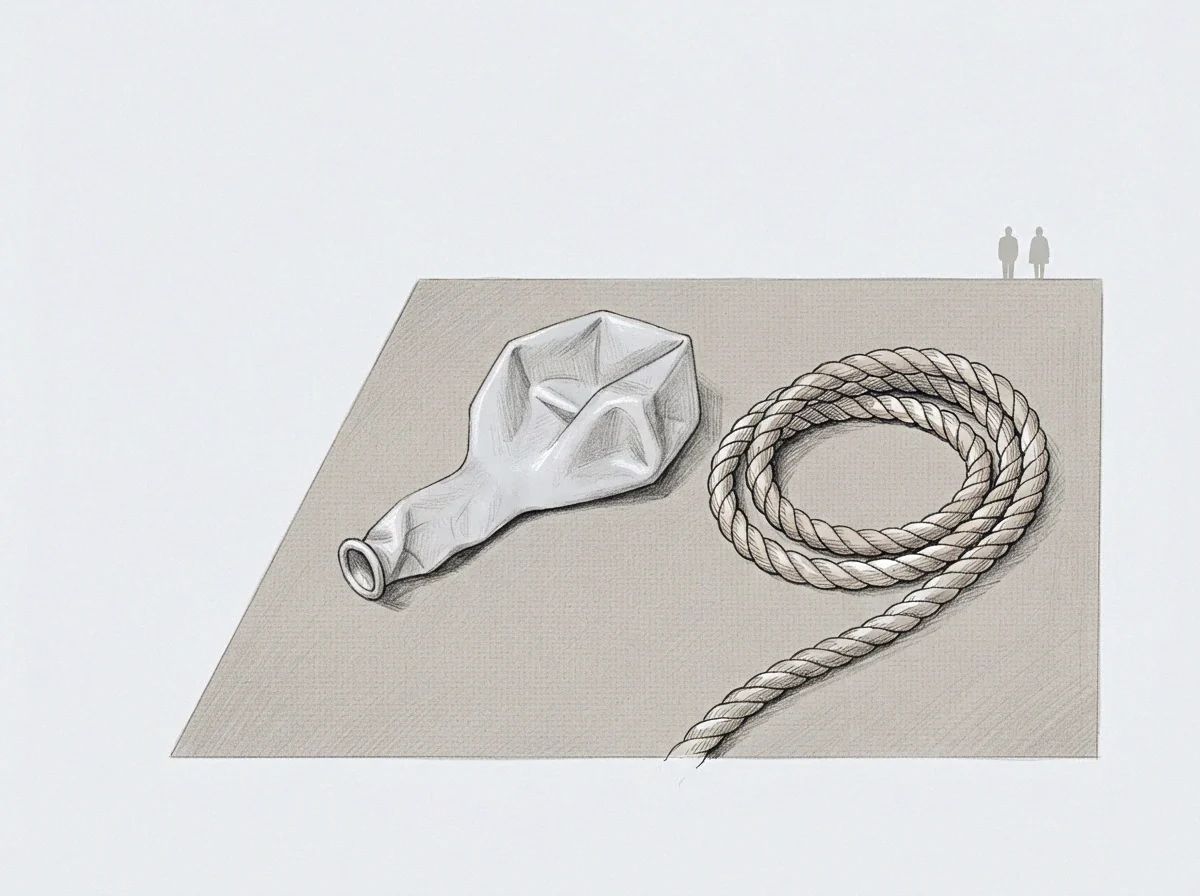
Meaning
Neurological reduction in the sensitivity to internal bodily signals that often occurs during periods of prolonged cognitive load.
Signal Dampening
Mechanisms in the brain prioritize external data over visceral feedback to maintain focus on complex external tasks. Prolonged interoceptive attenuation makes it difficult for an individual to notice rising levels of fatigue or hunger. This state allows for high performance in the short term by muting the discomfort of physical strain.
The cost of this focus is the loss of the early warning system that prevents total exhaustion.
Feedback Loop
Loss of somatic awareness creates a disconnect between actual capacity and perceived energy levels. When interoceptive attenuation becomes a chronic habit, the founder loses the ability to accurately report their own stress levels. This leads to a reliance on external metrics rather than felt experience.
Data from wearable devices often provide the only remaining signal that the body requires rest. Reclaiming this sensitivity involves structured periods of low stimulation where internal cues can emerge without competition.
Performance Ceiling
Limits on endurance are often hit unexpectedly because the warning signals were suppressed for too long. Excessive interoceptive attenuation results in a sudden collapse of function. A gradual decline provides more opportunity for adjustment.