

Relational Working Model Breakdown When Borrowed Regulation Capacity Runs Out
When borrowed regulation capacity empties, the primary regulator's internal working model snaps, forcing autonomic throttling and relational detachment.
When borrowed regulation capacity empties, the primary regulator's internal working model snaps, forcing autonomic throttling and relational detachment.
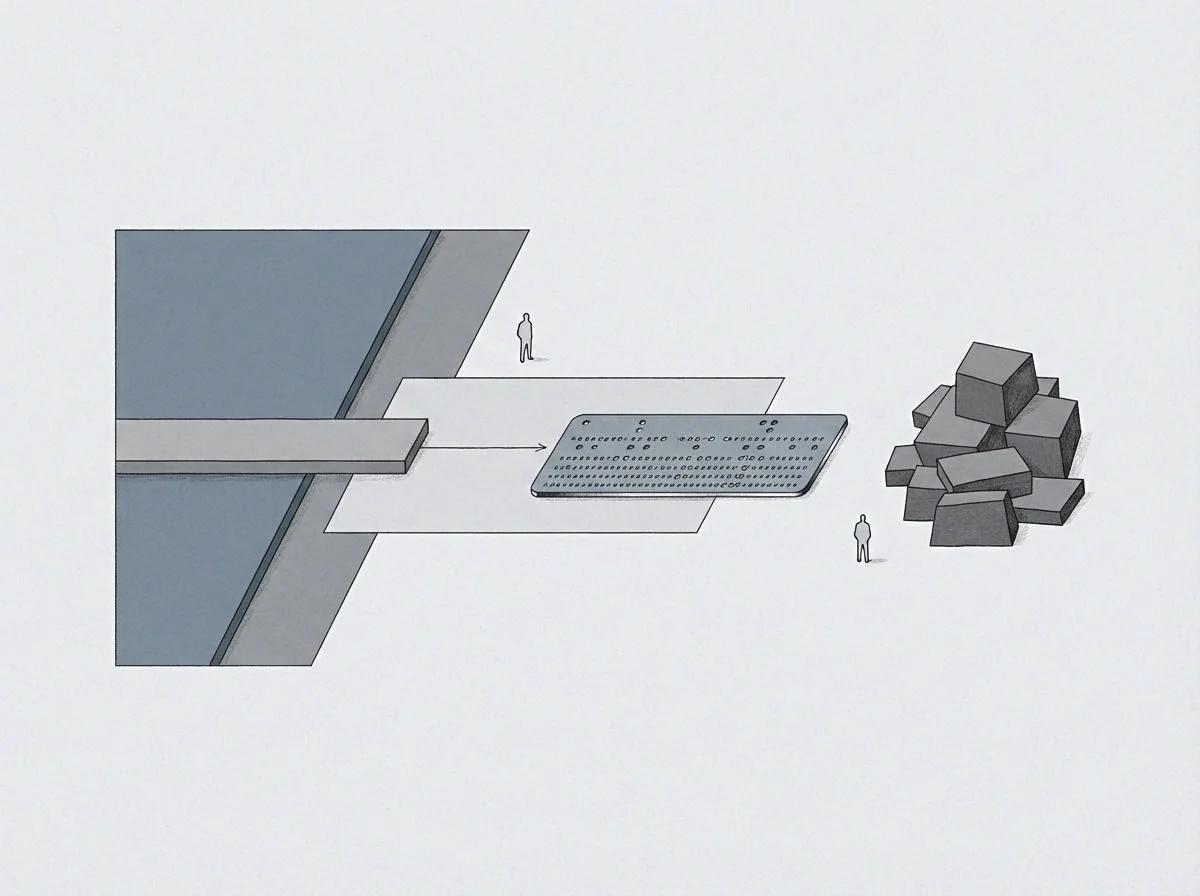
Myelinated ventral vagal fibers slow cardiac rhythm when physical co-presence carries zero evaluative or communicative demand, lowering metabolic regulation costs.
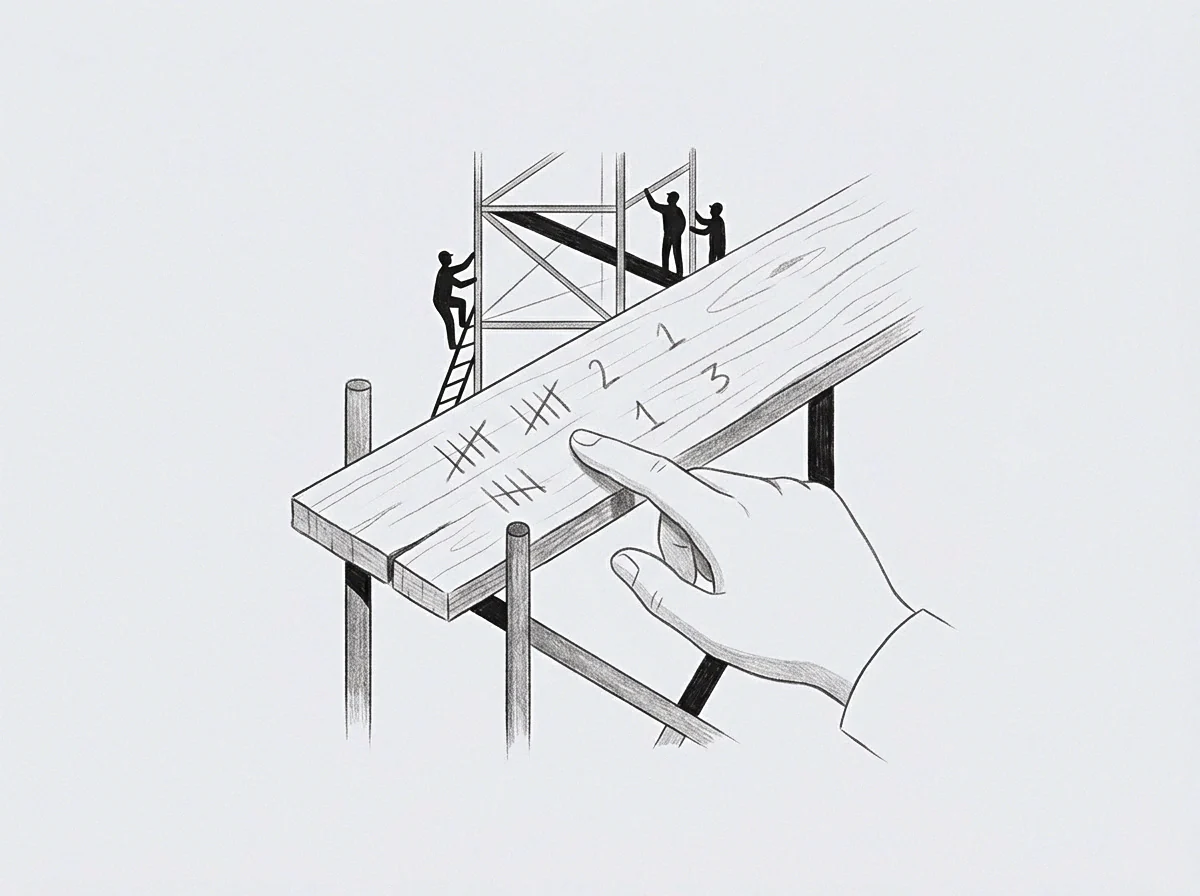
Earned security updates insecure working models when repeated operational stress meets steady co-regulating presence, lowering metabolic load through shared baseline threat processing.

Extended solitude shifts autonomic baseline regulation to solo holding, requiring structured low-demand proximity exposure to reconstruct social receptor capacity.

Internal working models govern executive regulation budgets by dictating whether stress is shared through co-regulation or paid individually via allostatic load.

Scaling increases solitary threat appraisal, degrading relational models unless unilateral load absorption shifts toward distributed co-regulation.

Re-entering relational proximity after solitary load triggers sudden parasympathetic withdrawal, forcing expensive metabolic expenditure to fuel unneeded vigilance.
The terms are written where they belong. Each field holds three desks, and every entry a desk writes raises the terms it uses, each term given a meaning, a mechanism and the places it appears. The record on these pages stays first person and hand made; the fields grow the nomenclature.