
Structural Attenuation Of Internal Regulator Templates Within Asymmetric Executive Power Dynamics Under Capital Pressure
Unidirectional baseline absorption under capital pressure alters internal working templates, converting executive presence into a continuous regulatory expenditure.

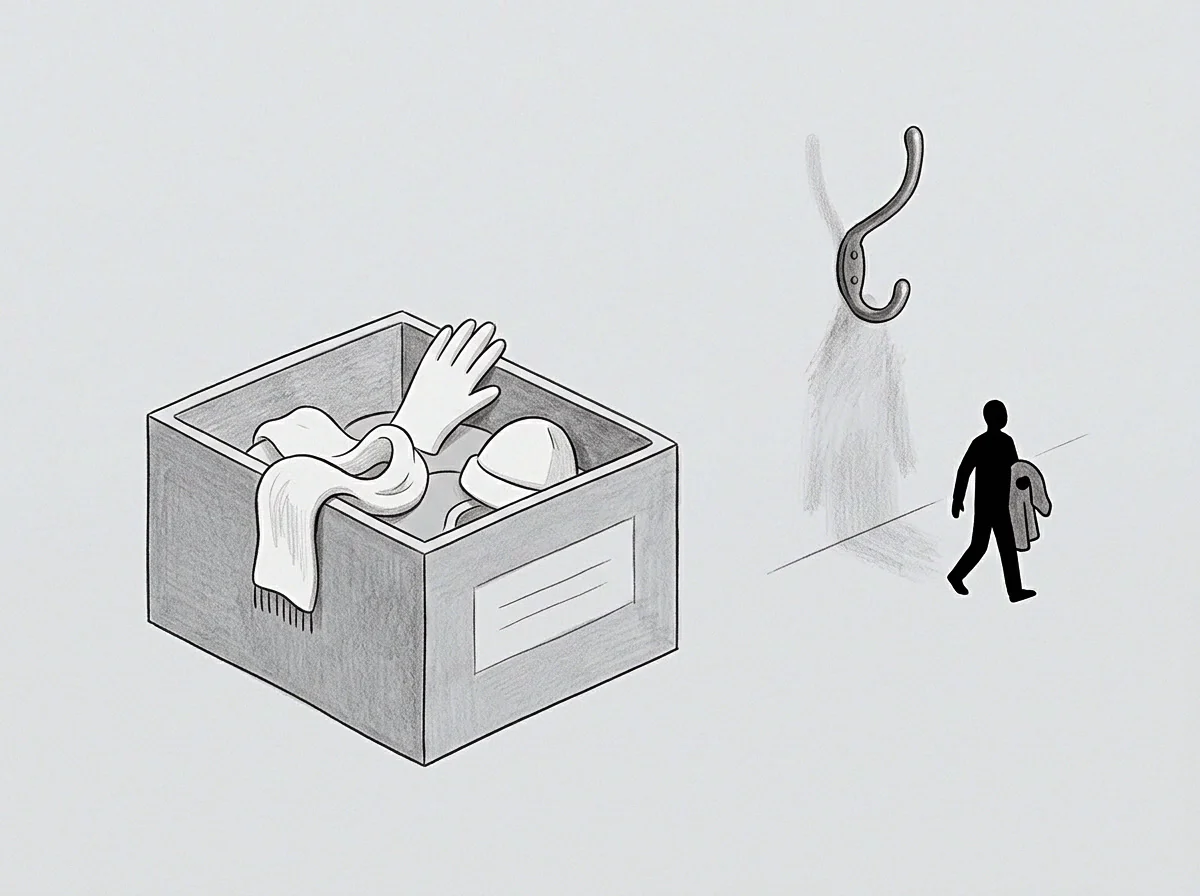
Weight
Four board communications sit unread at midnight while a down-round negotiation stretches into its third week. The chief technology officer requests an immediate conversation regarding engineering compensation guarantees, while the lead investor demands updated margin targets prior to Monday morning. Sitting alone in an empty corporate office, the primary executive absorbs operational panic from every counterparty while lacking an external stabilizing presence.
The physiological strain of maintaining composure under financial compression operates continuously. Every incoming query demands a calm response, yet no incoming channel supplies one. The executive functions as the sole regulatory anchor for the entire enterprise, operating without a reciprocal source of stability.

Asymmetric Stress Deprivation in Capitalized Governance
Organizational structures under financial scrutiny concentrate threat absorption at the apex of governance. Direct reports externalize panic upward, relying on the executive to restore operational equilibrium during volatility. Investors project performance pressure downward, expecting unyielding composure alongside immediate strategic execution.
This dual vector of demand isolates the chief executive from normal social baseline mechanisms. Social baseline theory establishes that human neural architecture budgets energy under the assumption that reliable partners share environmental burdens. When power dynamics turn strictly asymmetric, proximity to team members no longer lowers the cognitive cost of threat management.
The leader holds full accountability for organizational survival while standing completely alone in threat processing.
Threat inputs accumulate continuously across every operational channel, resetting the budget nightly before taking their toll on the founder.
Co-regulatory stability flows toward the lower power tier while physiological threat accumulates entirely at the executive node.

The Disappearance of the Receptor Slot
Extended operational pressure alters how the executive processes incoming support. Internal working models normally contain a structural capacity to accept regulatory assistance from reliable peers. Under continuous unidirectional strain, this receptive baseline undergoes steady attenuation.
The executive learns to treat incoming offers of assistance as administrative tasks or hidden liabilities. An offer of support from a direct report registers as a cue to project strength rather than an opportunity to drop defensive vigilance. The capacity to be held or stabilized by another person atrophies through disuse.
Regulating others and self-regulating merge into a single continuous baseline output, leaving no internal space to receive external baseline input.
The executive team expects steady presence and complete operational clarity regardless of external capital volatility.

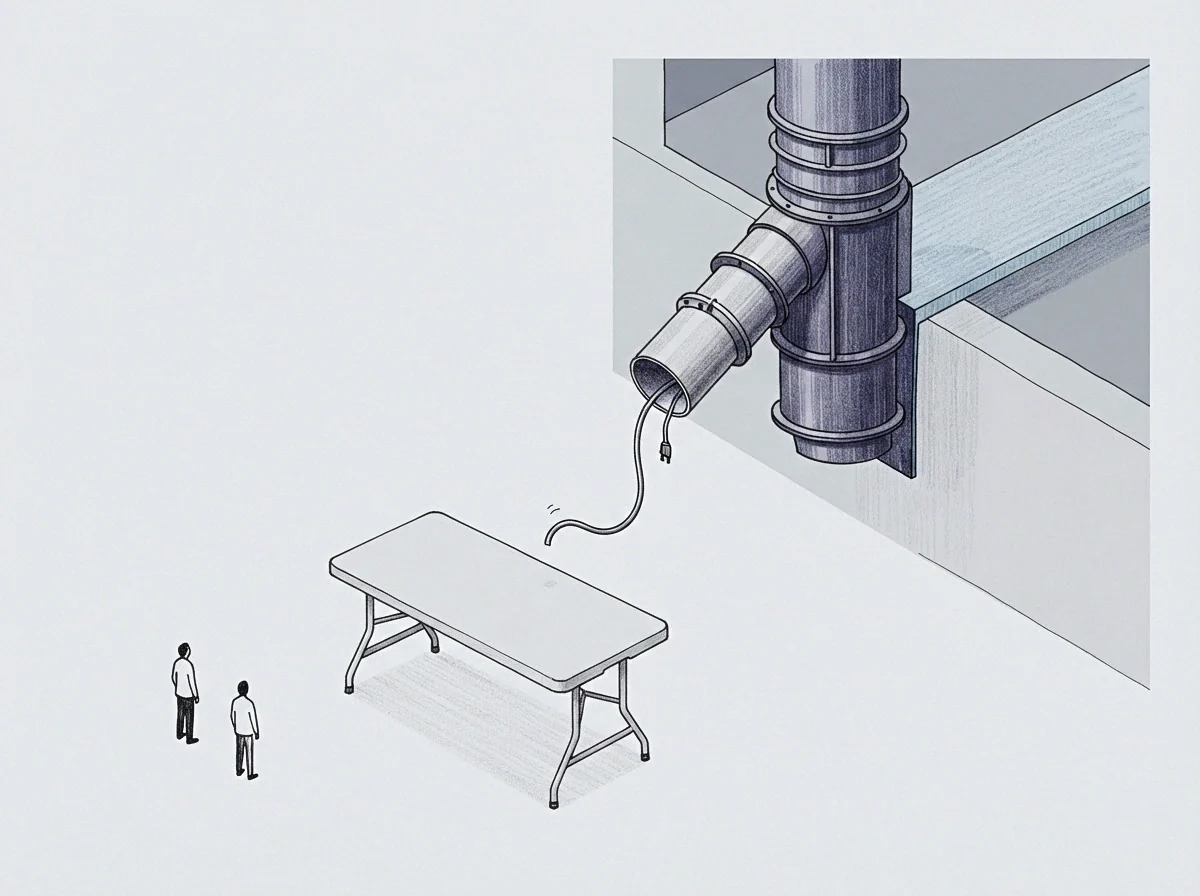
Conduit
Power imbalances within capitalized ventures convert executive presence into a public utility. Subordinates rely on the leader’s perceived calm to regulate their own daily anxiety regarding job security and strategic direction. Investors observe the leader’s physiological composure as a proxy for corporate health and capital stewardship.
The leader’s internal baseline becomes an institutional asset, continuously drawn upon to stabilize downstream operations. This structural drain transforms the chief executive into a unidirectional conduit for organizational stability. Capital pressure magnifies this conversion by increasing the frequency and intensity of operational crises.
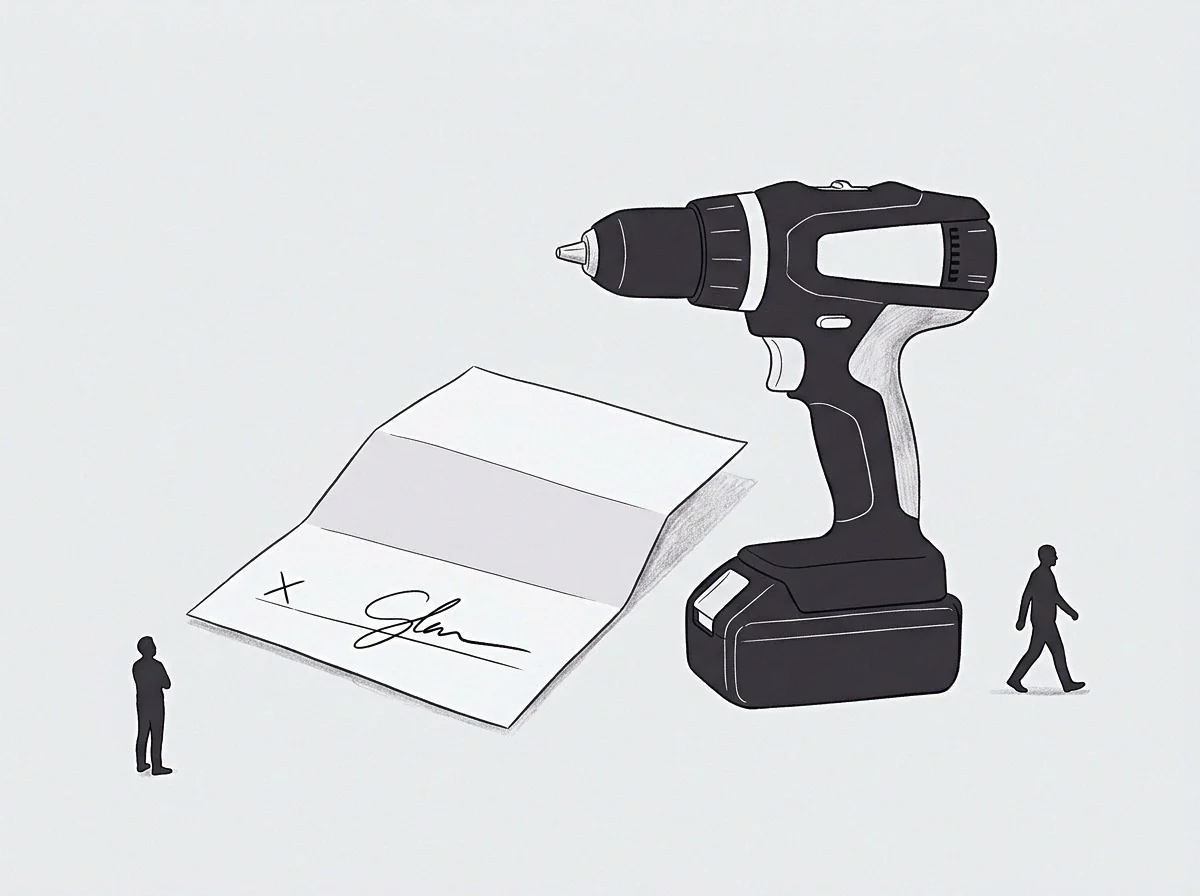
Structural Asymmetry in Organizational Baseline Dependency
In balanced human teams, emotional baseline management operates as a shared, reciprocal exchange. Members offer calm during peer distress and receive stabilization when personal capacity drops. Asymmetric governance structures systematically break this reciprocal loop.
The high-power position carries an unspoken mandate to remain permanently unflappable. Showing uncertainty or physiological strain risks destabilizing key personnel, triggering investor concern, or damaging commercial credibility. The leader absorbs organizational volatility without passing any strain downward or sideways.
The underlying operational cost of this dynamic remains unstated.
- Capital Runway Narrowing forces rapid operational reallocations while board updates require absolute composure under scrutiny.
- Executive Absorption occurs as direct reports import operational panic to the chief executive for immediate stabilization.
- Template Reversal shifts the internal working model so that self-soothing becomes synonymous with stabilizing external counterparties.
- Terminal Isolation leaves zero available structural channels for the founder to receive external co-regulatory inputs.
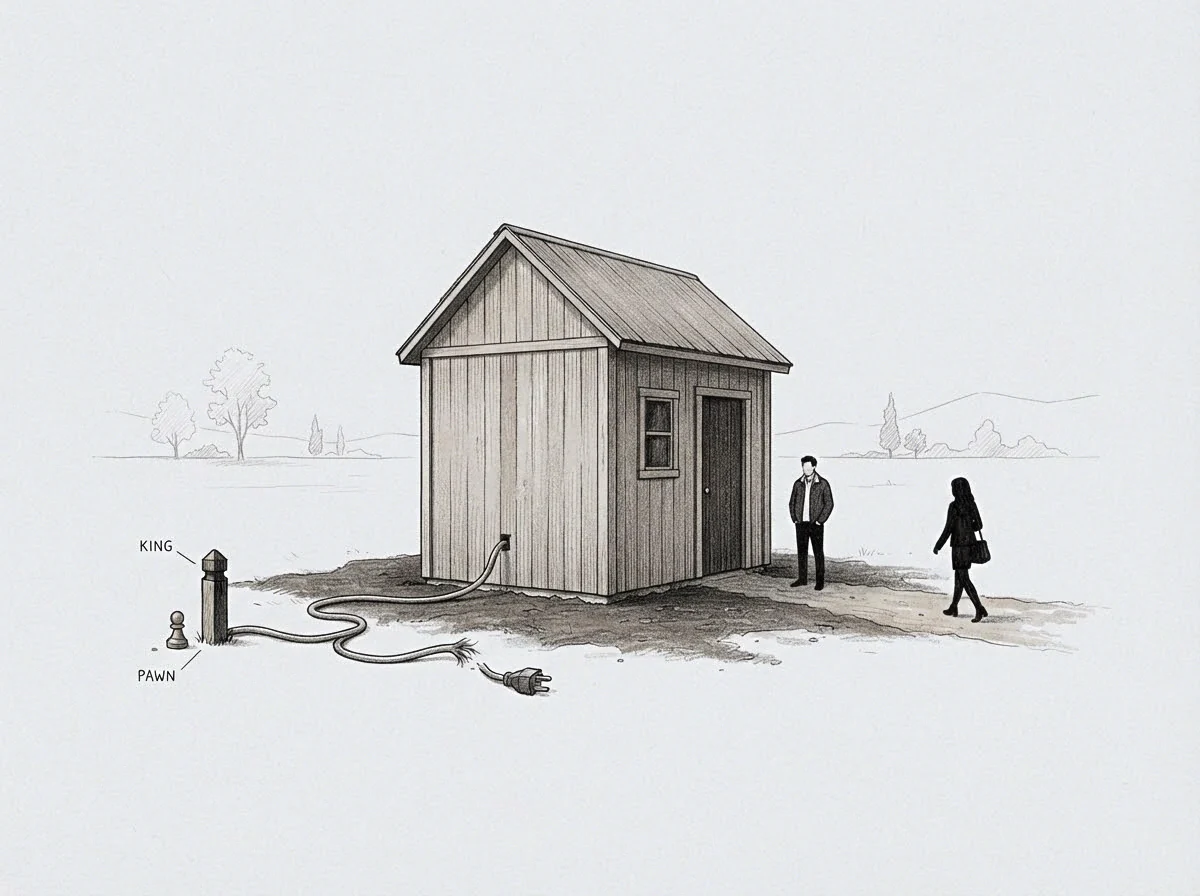
Capital Scrutiny as a Constant Threat Vector
Venture benchmarks and debt covenants create an ongoing environment of existential evaluation. Capital providers monitor cash burn, unit economics, and pipeline conversion with rigorous distance. This cold evaluation converts routine business metrics into active survival threats.
The chief executive processes these institutional demands while simultaneously shielding the operational team from demotivating panic. The leader operates as a surge protector, absorbing extreme high-voltage financial anxiety and stepping it down into manageable operational instructions for the organization. Over time, this protective insulation consumes the leader’s underlying baseline capacity.
A stated limit functions as a structural barrier against infinite load absorption under capital stress.
Allowing organizational panic to flow unimpeded into executive neural architecture destroys strategic clarity within six quarters.
Erosion
Continuous threat absorption without reciprocal baseline input reshapes the executive’s neurological working template. The internal baseline shifts from a dynamic, responsive equilibrium to a rigid state of sustained activation. The body adapts to chronic capital pressure by maintaining elevated cortisol and sympathetic arousal, masking exhaustion to preserve daily function.
This persistent physiological activation erodes the brain’s internal model of safety. The distinction between external operational friction and internal physiological emergency disappears completely. Every ping, board memo, or slack notification triggers an immediate, full-scale regulatory deployment.
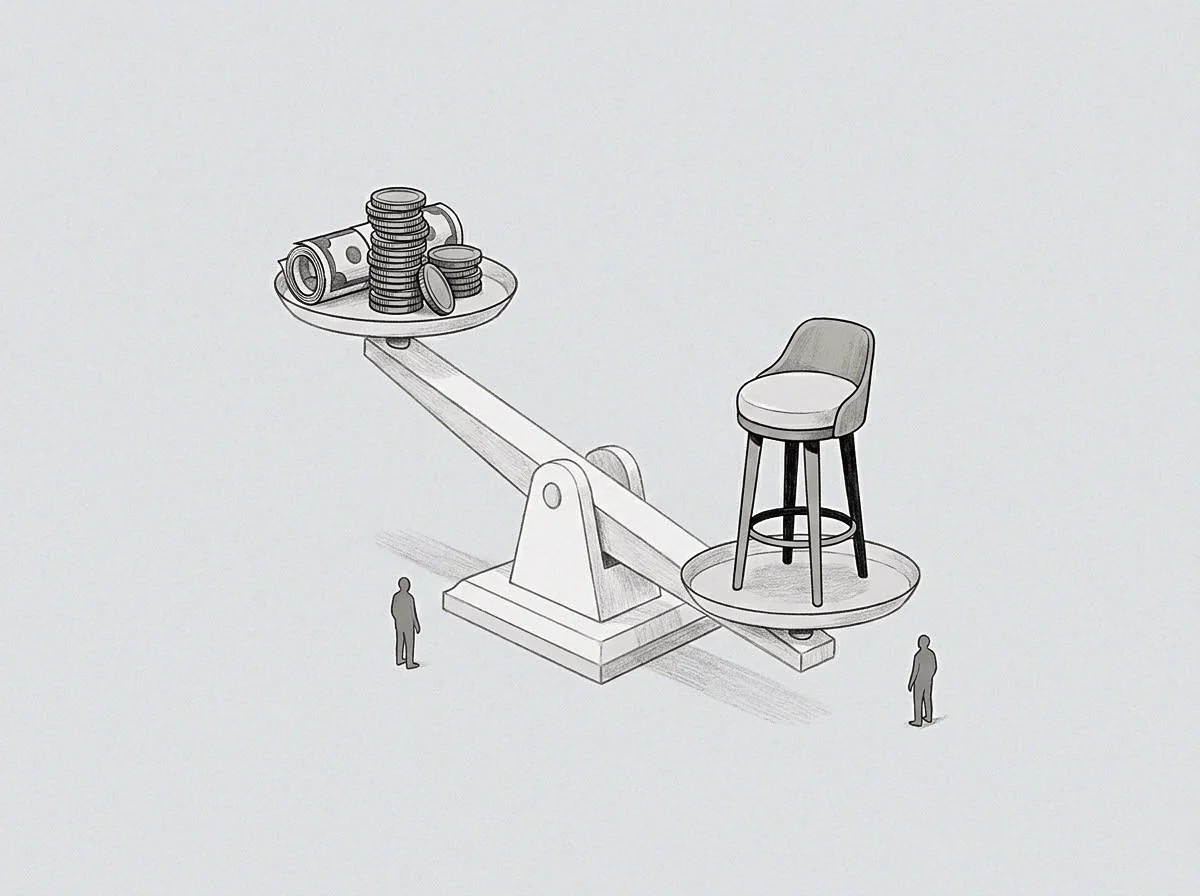
When Does Regulatory Throttling Register as Internal Depletion?
Operational throttling occurs long before an executive recognizes personal baseline exhaustion. The executive misinterprets severe physiological depletion as mere fatigue or temporary tactical stress. Because the internal regulator template has reversed, the executive evaluates personal wellbeing solely through organizational output.
If the enterprise continues to meet milestones, the leader assumes internal systems remain healthy. In reality, the executive burns structural physiological capacity to maintain performance metrics. The body eventually enforces a shutdown when allostatic capacity hits absolute zero.
Receptor capacity drops rapidly as strategic focus dissolves, giving silence real structural weight.

Internal Working Models Under Chronic Load Absorption
To analyze this structural breakdown, take a founder holding twenty-two percent equity with four direct reports and a twelve-month capital runway. Assume market shifts force an immediate reduction in burn rate while board members demand accelerated product delivery. The founder absorbs panic from team members facing restructuring while managing aggressive investor inquiries regarding runway extension.
Over nine months of continuous performance masking, the founder’s internal baseline template undergoes systematic modification. The individual loses the capacity to experience calm even during periods of operational quiet, as the nervous system remains locked in baseline generation for external consumption.
The founder’s internal template learns to treat presence as an active expenditure rather than a restorative state. When an executive partner or close personal associate offers genuine support, the modified template processes the interaction as another demand on regulatory bandwidth. The executive cannot switch off the baseline broadcasting mode.
The internal receptor slot, designed to receive borrowed calm from another human being, remains structurally closed. The leader remains trapped inside an active baseline broadcasting loop, unable to access restorative social baseline co-regulation.
Strength under continuous stress attracts additional operational load from every adjacent partner.
Under continuous board pressure, enforcing an explicit non-negotiable operational boundary alters the baseline template faster than cognitive reframing.

Frame
Analyzing structural attenuation across different capitalized environments clarifies how executive power dynamics dictate regulatory costs. Structural variables such as capital availability, board structure, and operational complexity dictate the rate of executive baseline depletion. Identifying these variables allows organizations to evaluate executive risk before structural breakdown occurs.
Structural Variables Governing Baseline Depletion
The nature of investor oversight determines the continuous background threat level experienced by the executive. Concentrated capital structures with short liquidity horizons exert maximum pressure on executive baseline systems. Distributed capital structures with longer time horizons allow periodic baseline recovery.
Similarly, the composition of the executive team influences baseline consumption. Teams with high emotional self-regulation reduce upward panic transmission, preserving executive capacity for capital governance.
While the board demands stability, the executive seat absorbs every threat.
Comparative Operational Dynamics Under Capital Scrutiny
The table below compares internal working model characteristics across stable and compressed venture capital environments, detailing how power asymmetry shifts executive physiological load.
| Operational Variable | Stable Capital Environment | Compressed Capital Pressure |
|---|---|---|
| Regulatory Direction | Reciprocal co-regulation across leadership layers | Unidirectional absorption by the primary executive |
| Receptor Slot Availability | Active capacity to receive external baseline stabilization | Complete atrophy of receptive self-regulatory channels |
| Signal Processing | Operational threat distinguished from internal state | External operational panic processed as internal state |
| Stated Limits | Clear operational parameters enforced across threads | Perceived as systemic risk, forcing threshold removal |
- Masked Signal Attenuation creates an inability to detect physical exhaustion before structural cognitive failure occurs.
- Reflexive Absorption leads to taking full physiological responsibility for investor volatility during board meetings.
- Compulsive Availability destroys remaining focus windows by converting every incoming ping into an emergency.
Unidirectional baseline regulation converts administrative authority into continuous physiological strain.
An executive who treats calm as an infinite personal resource exhausts operational headroom within two funding cycles.
Margin
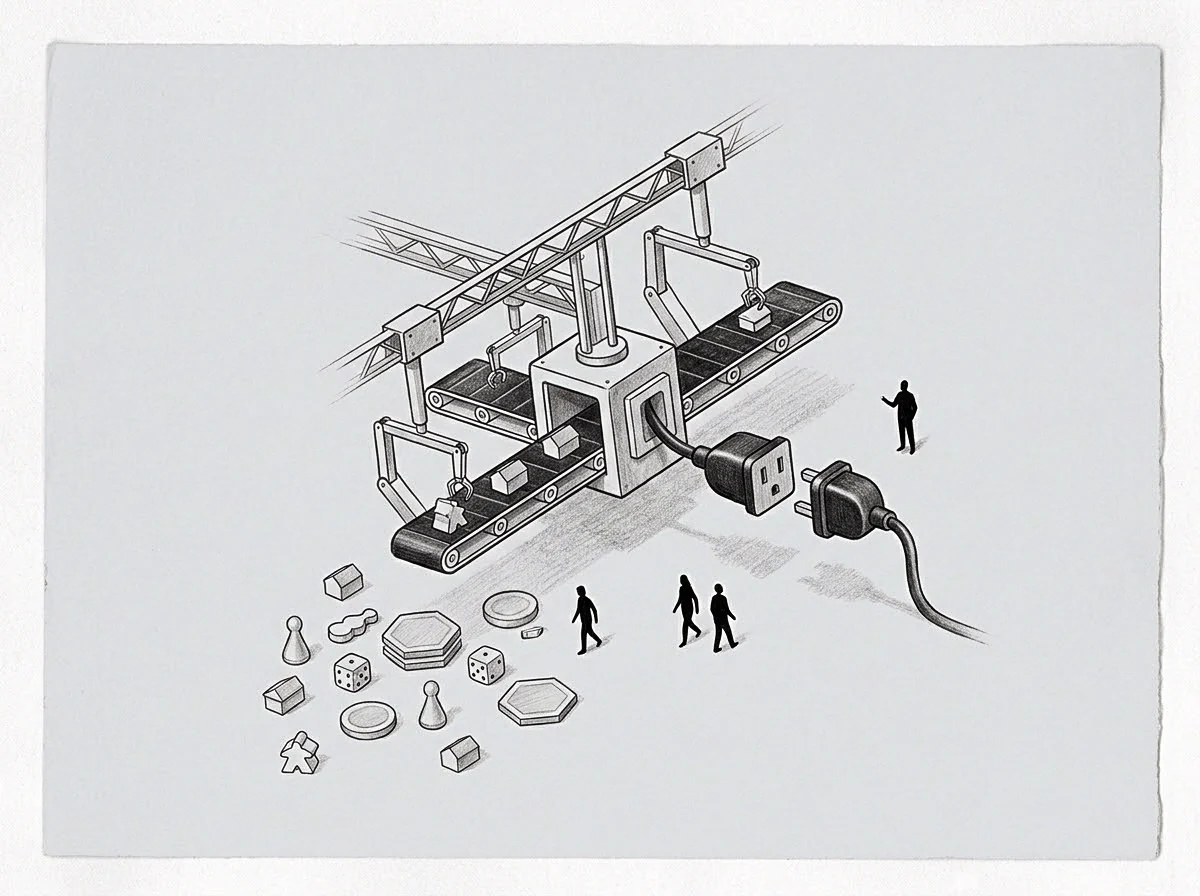
Restoring internal regulator templates requires structural intervention rather than psychological effort. Attempting to think differently about capital pressure while maintaining continuous availability achieves nothing. The executive must establish hard operational stops that restrict the flow of organizational panic upward.
Creating structural barriers between executive neural architecture and incoming operational volatility allows dormant receptor slots to recover function over time.

Constructing Structural Stops in Executive Governance
Structural stops are non-negotiable governance parameters designed to protect executive capacity. These parameters include enforced communication blackouts, strict board update schedules, and explicit delegation of team emotional management to middle managers. By insulating the chief executive from continuous low-grade operational panic, structural stops lower daily threat processing demands.
The leader stops serving as a twenty-four-hour surge protector, forcing the enterprise to build decentralized regulatory capacity across management layers.
Stated limits preserve capacity while structural stops protect operational bandwidth, as the internal template cannot update without physical boundaries.

Earned Security Through Repeated Physical Stance
Updating a reversed regulator template occurs through repeated physical experience rather than intellectual insight. Earned security develops when an executive repeatedly enforces operational limits under load and discovers that the organization survives the boundary. Each successful enforcement of a limit recalibrates the internal working model, proving that availability is not a prerequisite for corporate survival.
Over time, the executive rebuilds the capacity to drop vigilance, re-opening internal receptor slots to receive authentic co-regulatory support from external peers.
The process of template restoration demands persistent boundary enforcement against capital demands. As structural stops remain in place across consecutive fiscal quarters, the primary executive moves from continuous baseline generation back into balanced operational presence. The internal working model re-establishes a functional receptor slot, allowing the leader to participate in reciprocal regulatory relationships.
Capital pressure continues to exist, but its direct transmission into executive neural architecture remains permanently restricted by governance design.