Meaning
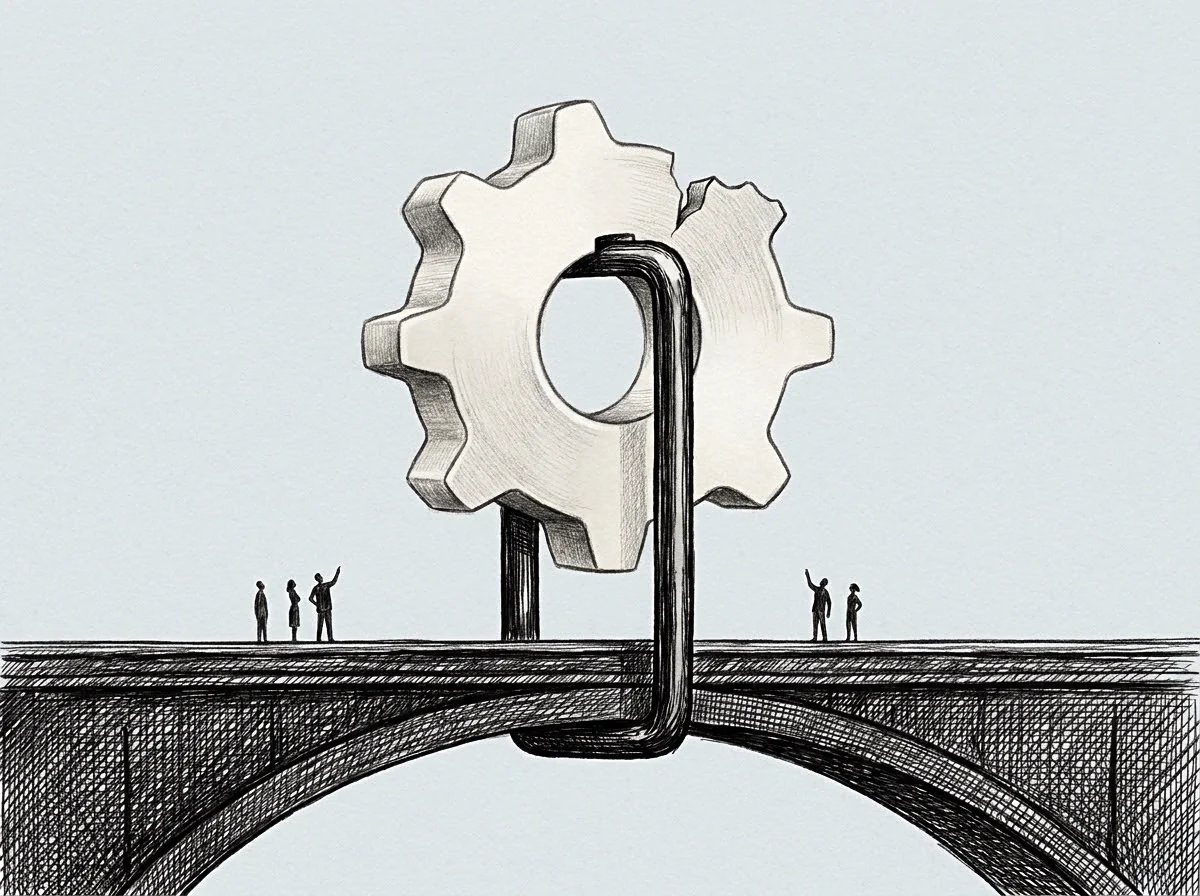
Capital allocation drag is the structural loss of capacity and attention experienced by a founder when navigating the administrative requirements of external financing. Investment friction measures the ratio between capital successfully deployed into operations and the total expenditure of founder hours required to secure and service that financing. The boundary of this metric sits at the point where a transaction closes, separating the pre-closing negotiation load from the post-closing governance load.
Capital Taxation
Transactional overhead consumes cognitive capacity through continuous document reconciliation and compliance reporting. Founders spend twenty percent of a standard work week responding to investor information requests and audit inquiries. This administrative load operates as a fixed tax on small teams because the reporting burden scales with the number of capitalization table entries rather than the size of the funding round.
Delegating this regulatory duty requires hiring specialized legal counsel, which converts time expenditure into direct cash outflow and further reduces operational runway.
Governance Drag
Board management introduces a secondary layer of operational impedance that diverts attention from product development. Regular investor updates and formal meeting preparations demand four full days of executive time each month. The preparation cycle involves aggregating performance metrics, verifying financial statements and drafting narrative defenses for missed growth targets.
Board oversight creates a distinct style of anxiety characterized by the need to maintain consensus among parties with divergent risk tolerances.
Capacity Cost
Executive fatigue accumulates when founders attempt to balance ongoing fundraising activities with core business execution. Attention fragmentation leads to delayed product releases and slower customer response times during critical growth phases. Capital acquisition drains personal energy reserves at a rate that compromises strategic decision-making capacity over multi-year horizons.
Investment friction ultimately sets the maximum organizational complexity a single founder can manage before structural failure occurs.