Meaning
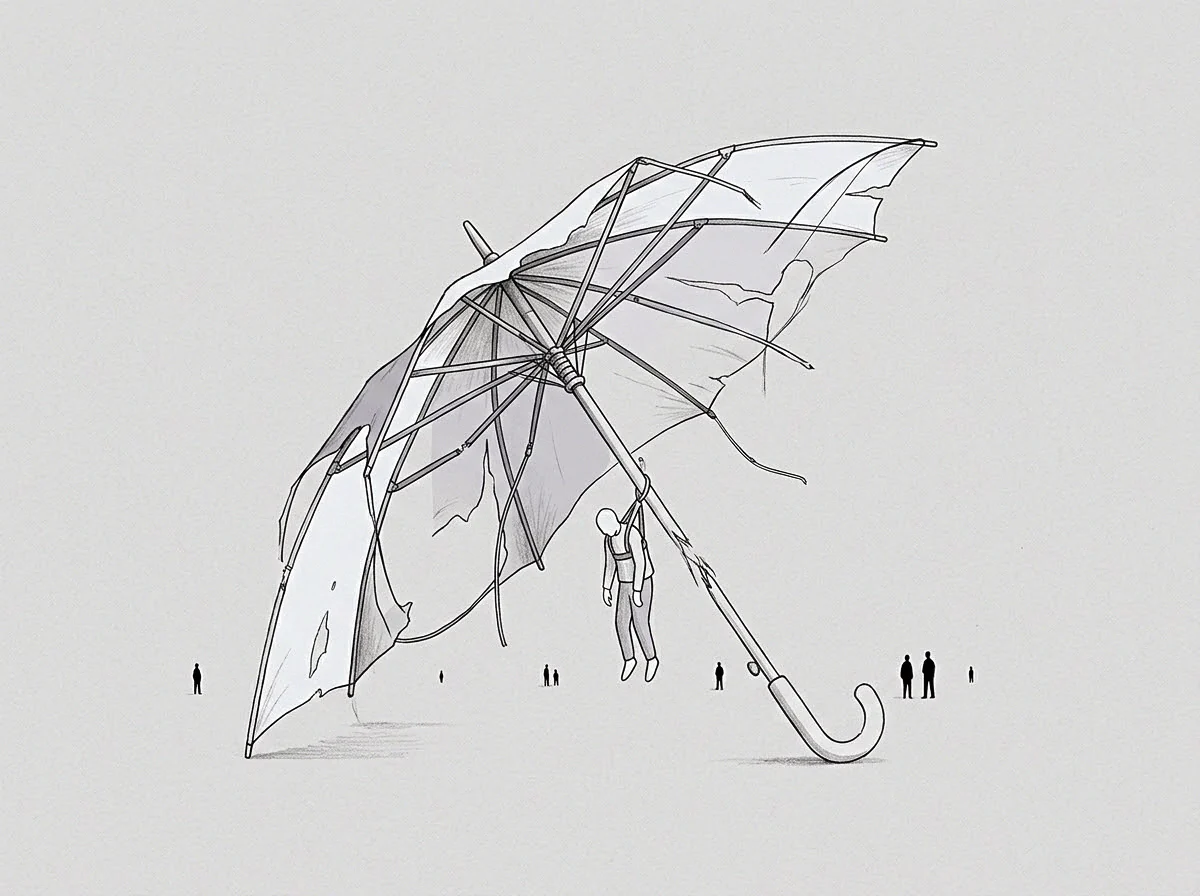
Physiological pressure indicates the degree of sympathetic nervous system dominance over parasympathetic recovery mechanisms. Prolonged autonomic strain occurs when the body maintains a high alert state without adequate downtime. They measure the cumulative wear on the heart, lungs, liver and metabolic systems.
This state ends when the person successfully engages in deep recovery or when the system fails.
Systemic Response
Elevated cortisol and adrenaline levels keep the body ready for immediate action even during sleep. This constant activation of the fight or flight mechanism consumes immense amounts of glucose and oxygen. The heart remains in a state of high readiness (low variability) which taxes the arterial walls and cardiac muscle.
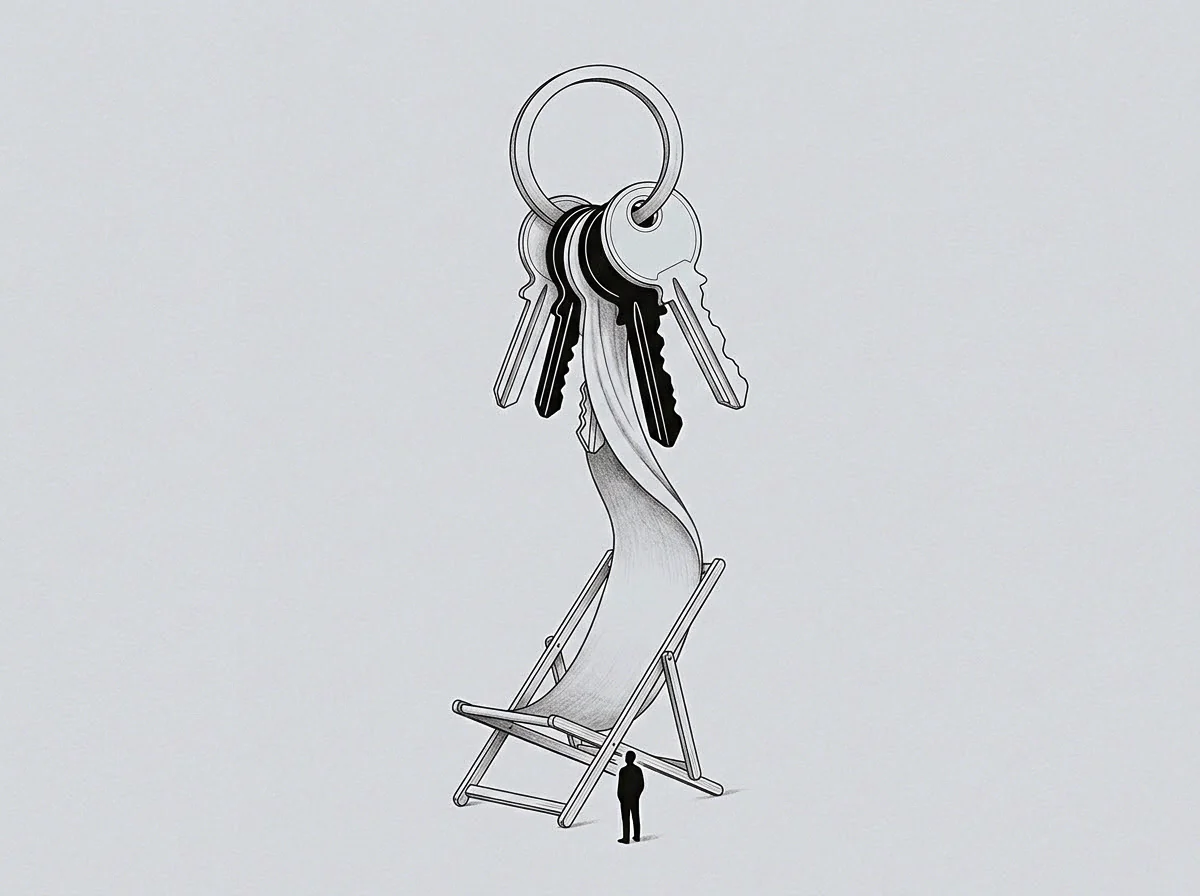
Recovery Deficit
Habitual overwork prevents the nervous system from switching into the rest and digest mode. Under conditions of autonomic strain, the body loses the ability to repair cellular damage and clear metabolic waste. This lack of maintenance leads to a steady decline in cognitive and physical performance.
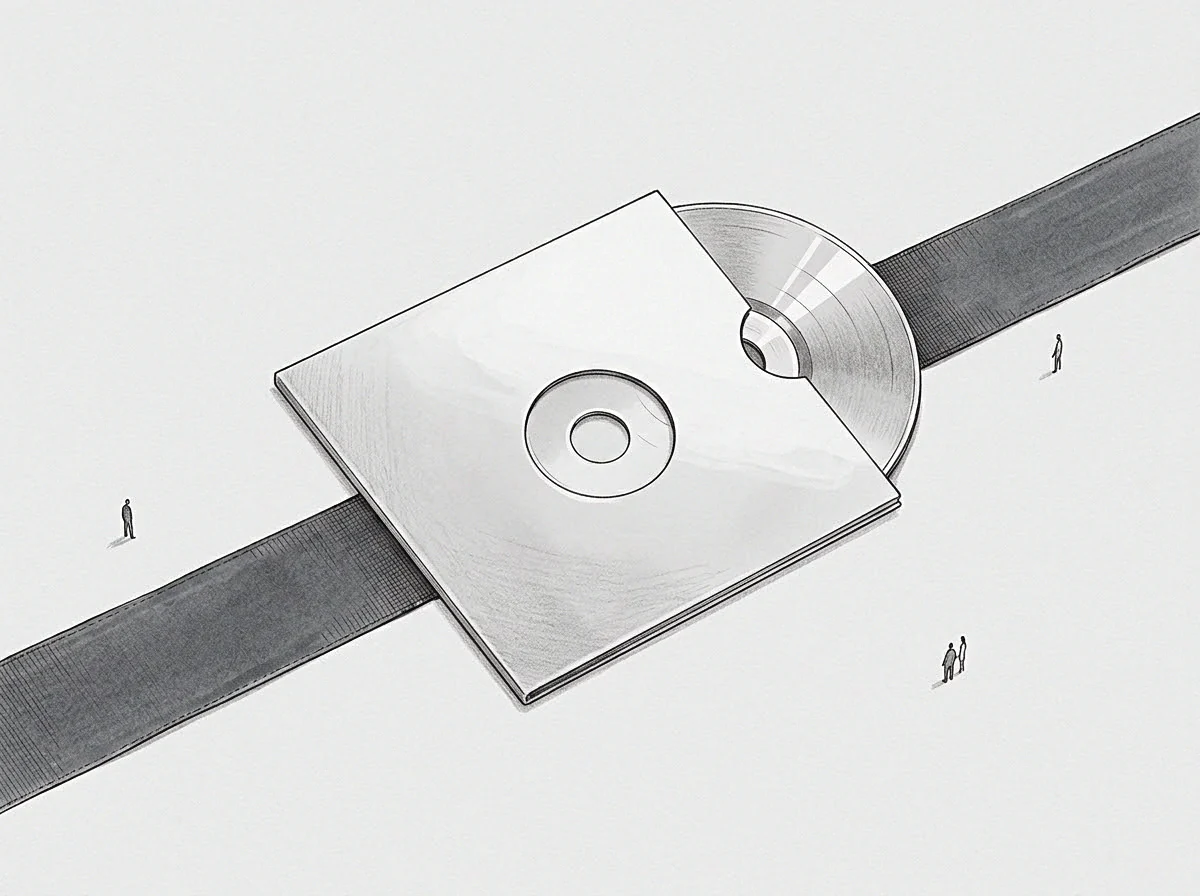
Capacity Drainage
The cost of staying alert is a reduction in the hours available for deep thinking or strategic planning. A person under this load finds that simple tasks take longer and require more willpower to start. Eventually, the baseline of what the person can handle drops significantly as the body protects its remaining energy.
This protection is an involuntary throttling of output to prevent permanent damage to the nervous system. Recovery requires more than a single night of sleep (it demands an extended period of low stimulation).