Meaning
Cognitive thresholds govern the maximum volume of active operational data a leader can retain without degradation in decision quality. When an executive reaches the memory ceiling, any additional information forces the displacement of existing priorities or leads to severe oversight. This bottleneck restricts the number of complex variables that can be evaluated simultaneously during periods of high stress.
It establishes the ultimate limit of solo execution capacity. Consequently, exceeding this limit results in delayed response times and a higher frequency of strategic mistakes.
Attention Depletion
Exhausting mental capacity causes a rapid decline in focus and analytical precision. Operating near the memory ceiling leaves no room for unexpected complications, as every unit of attention is already committed. The cost is paid in sleep deprivation and rising attention cost.
This state reduces the leader’s ability to filter out noise, leading to erratic choices.
Operational Safeguard
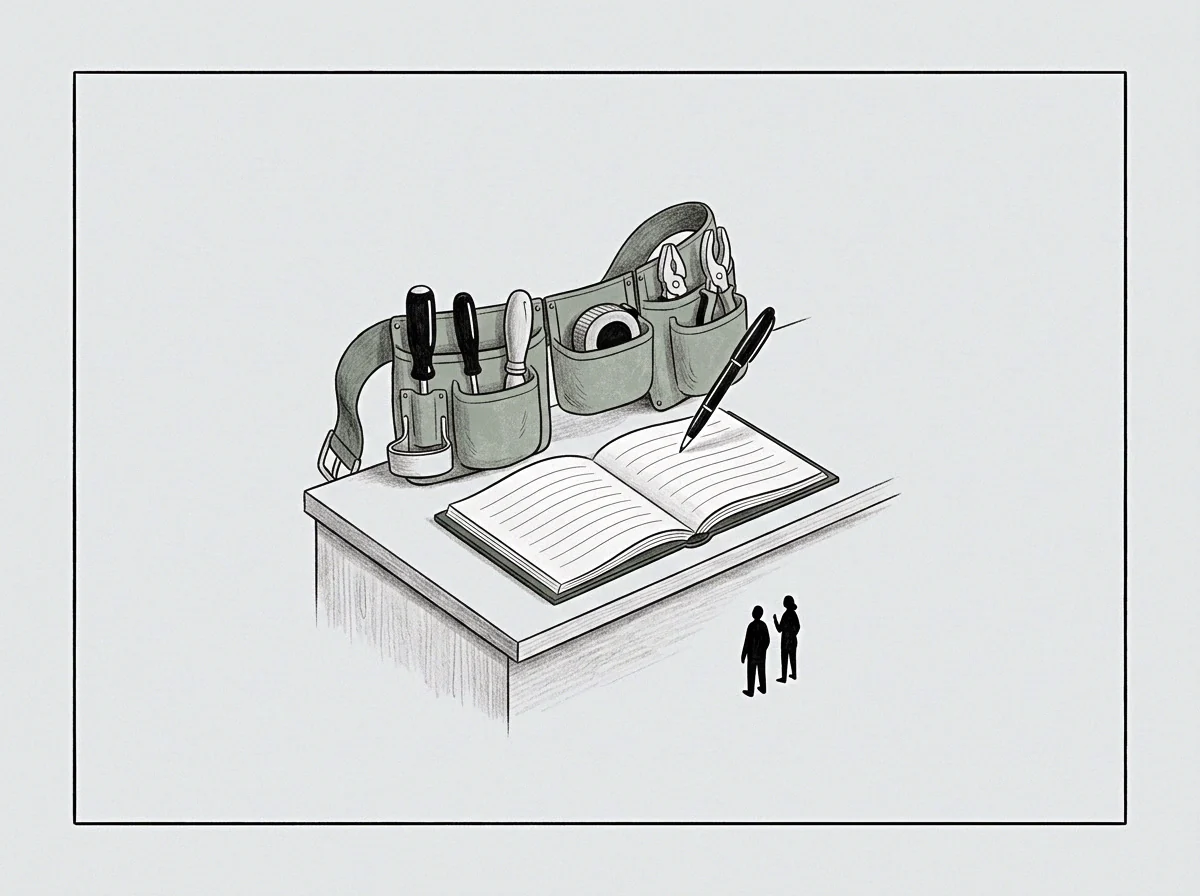
Preventing overload requires structured offloading of information into external systems. To manage the memory ceiling, the organization must implement reliable tracking tools that act as an auxiliary brain. This reduces the cognitive load on the founder.
It preserves analytical bandwidth for high-stakes decisions.
Strategic Delegation
Transferring ownership of complex areas of the business to trusted executives remains the most effective long-term solution. By delegating authority, the founder prevents the corporate structure from hitting the memory ceiling of a single individual. This shift changes the role from direct management to high-level governance.
The transition requires clear communication and structured reporting systems.