Meaning
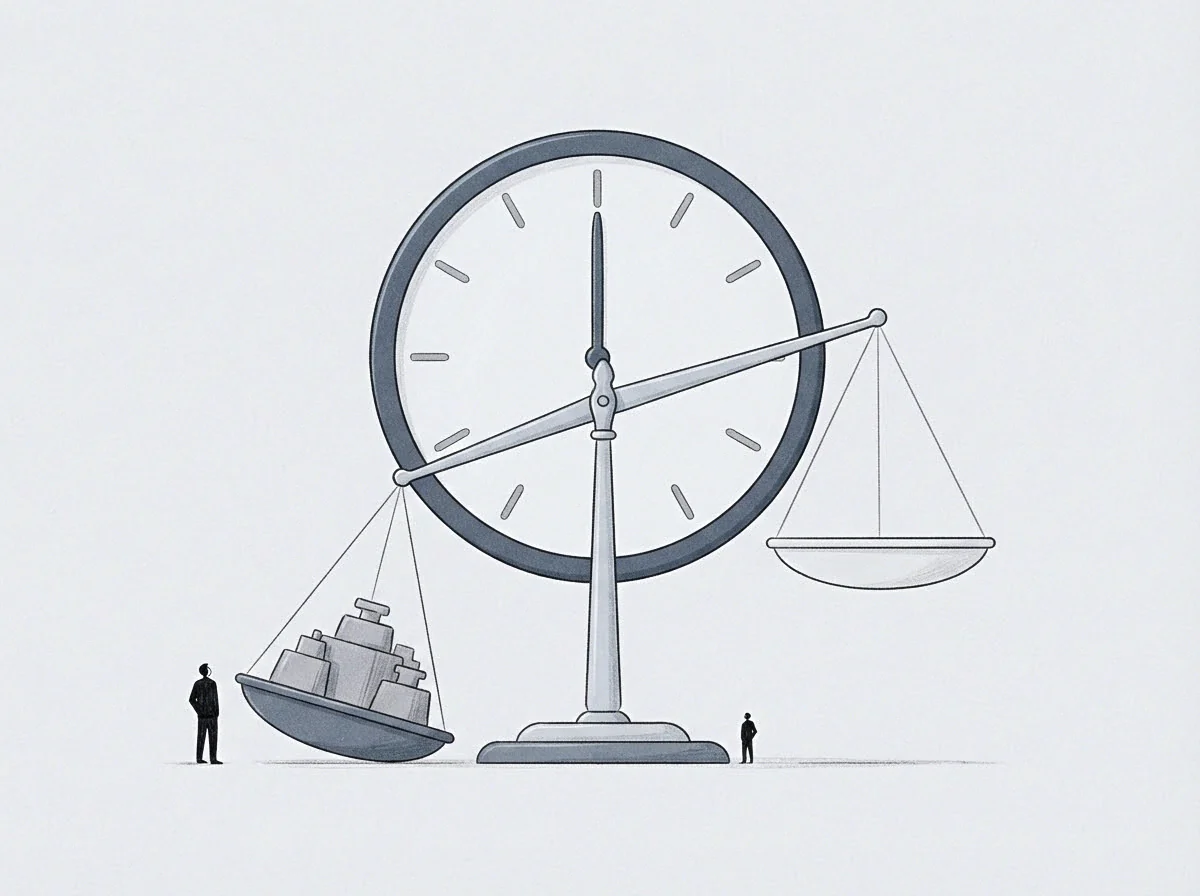
Cumulative physical and mental degradation of the nervous system develops from chronic exposure to high-stress environments. Long-term leadership roles often result in neural wear, representing a structural change in the way the brain processes information. The metric measures the total allostatic load carried by a person over the course of their career.
Structural Impact
Prolonged activation of the stress response system alters the density of receptors in specific brain regions. Through neural wear, the founder becomes hypersensitive to threats and less responsive to positive feedback. This recalibration of the baseline state means that even minor setbacks are perceived as existential crises, requiring an ever-increasing amount of energy to manage.
Over time, this leads to a narrowing of the executive perspective, as the brain focuses entirely on immediate survival rather than long-term strategy. This physiological shift is a direct consequence of the founder’s role as the primary absorber of organizational uncertainty.
Efficiency Loss
Processing information becomes more difficult as the pathways for focus and memory are taxed by constant vigilance. A founder suffering from neural wear finds it harder to switch between tasks or to maintain a coherent narrative across long-term projects. The cost in attention is high, as the individual must work twice as hard to achieve the same level of clarity they possessed at the start of the project.
Systemic Limit
Capacity for recovery decreases as the duration of exposure to the stressor increases. Reversing neural wear requires a fundamental change in the relationship between the individual and their work because a brief period of rest is insufficient for structural recovery. If the load is not permanently reduced, the system eventually reaches a point of failure where the brain can no longer regulate its own stress response.
Regulation ends.