
Structural Protocols For Updating Neural Working Models Of Authority Under Continuous Load
Updating executive authority models under continuous load demands structural operational buffers that force mutual regulation and lower solitary allostatic expenditure.
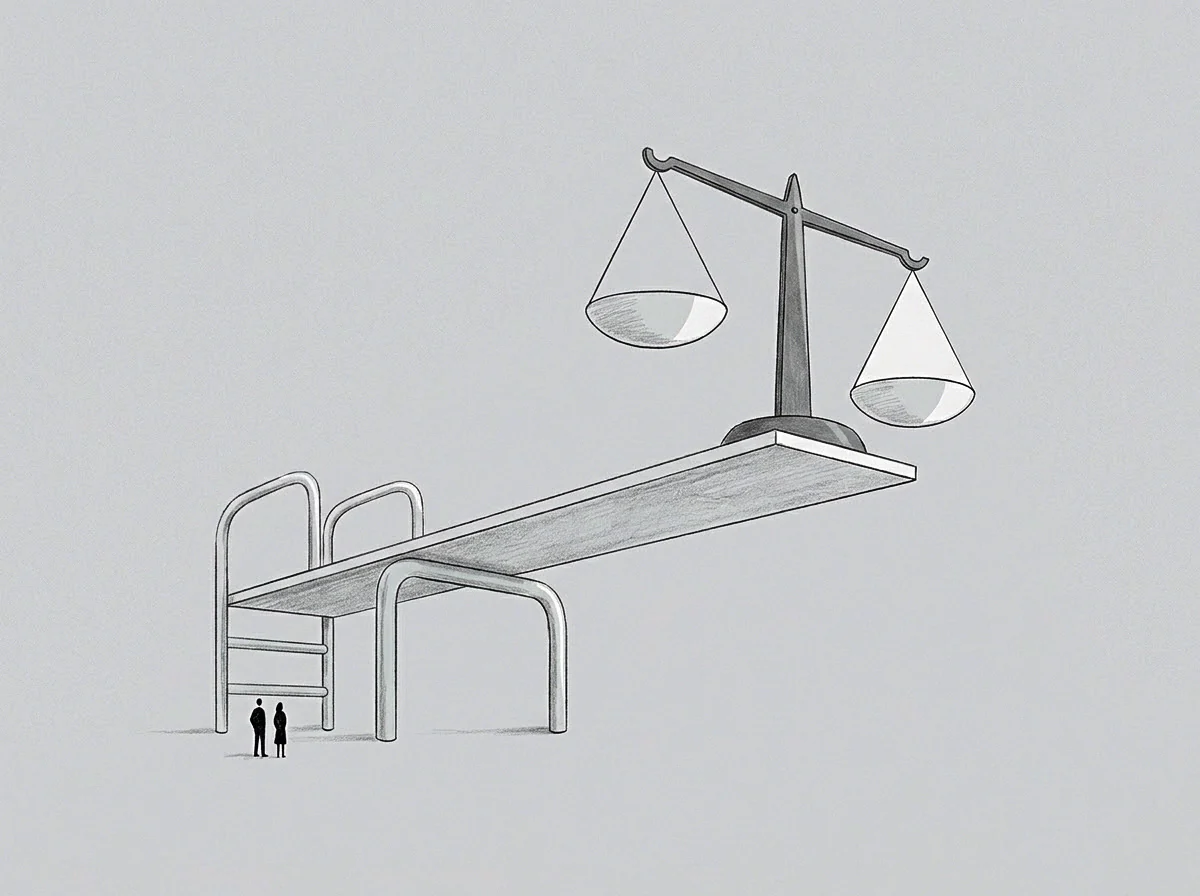
Slot
An internal working model of authority shapes how the brain predicts threat, distributes autonomic arousal, and manages relational expectations during operational leadership. Under social baseline theory, the human nervous system expects co-regulation from capable peers, relying on proximity to conserve energy. When early conditions force an operator to regulate direct reports without receiving comparable grounding, neural architecture adapts to that deficit.
Authority is then encoded as an exercise in solitary self-regulation.
This isolated structure lacks a functional receptor slot for outside support. The executive absorbs operational ambiguity, investor pressure, and team volatility while projecting consistent physiological composure. Direct reports anchor to that stability, using borrowed regulation to quiet their own autonomic alarms.
The leader becomes the stabilizing anchor for the broader organization, lacking any internal pathway to receive support in return.
Under continuous operational load, the human nervous system treats solitary regulation as an expensive baseline state rather than a permanent trait.
A founder managing five direct reports during an extended financing delay illustrates the mechanism. The founder absorbs operational anxiety across daily meetings while keeping somatic responses tightly flat. The direct reports leave those discussions focused and calm, whereas the founder registers disrupted heart rate variability and slow physical recovery.
The established neural model treats any display of vulnerability as an immediate operational hazard, routing all threat processing into sustained prefrontal effort.
Operating indefinitely without structural channels for co-regulation produces physical exhaustion and triggers downstream governance failures across the leadership team.

Weight
Persistent operational friction raises the metabolic toll of maintaining an unyielding physiological posture. Threat circuits remain engaged when an executive serves as the enterprise’s sole regulatory buffer. Rather than processing escalations as standard operational tasks, the nervous system handles them as demands for emotional containment.
| Operating Model | Allostatic Load Source | Co-regulation Dynamics | Template Stability Under Pressure |
|---|---|---|---|
| Unthrottled Authority | Solitary emotional containment of team panic and unbuffered operational friction | Unidirectional; direct reports regulate against the executive state while executive receives zero incoming regulation | Rigid; relies on prefrontal suppression, leading to sudden cognitive fatigue and abrupt boundary collapses |
| Protocol-Bounded Authority | Bounded tactical decision-making within explicit operational buffers | Bidirectional; structured peer regulation blocks downward emotional cascading while preserving authority | Adaptive; updates through repeated exposure to shared risk containment and explicit structural limits |
When an executive frames authority as isolated containment under pressure, direct reports rarely build their own capacity to manage operational anxiety. Instead, teams route distress upward to a seat that absorbs it without requiring reciprocal stability. Over time, that habit skews enterprise dynamics.
The executive carries elevated cortisol and disrupted sleep cycles, while the organization mistakes that somatic endurance for limitless capacity.
Unbounded relational availability transforms an executive seat into a sink for organizational anxiety.
Because the executive remains composed during crises, secondary operational emergencies are regularly diverted to their desk.

Anchor
Cognitive insight into attachment dynamics does not alter autonomic patterns under persistent pressure. Intellectual comprehension is held in prefrontal networks, whereas working models of authority are rooted in implicit procedural memory. Reshaping an implicit template requires physical evidence of shared regulation inside high-stakes operational environments.
When sustained pressure lands, default autonomic pathways routinely bypass recent conceptual insights. The nervous system reverts to its familiar baseline, holding back threat cues through cognitive effort until analytical performance slips.
- Intellectualization of load creates a false sense of mastery while bodily stress metrics remain chronically elevated.
- Somatic suppression forces prefrontal circuits to override autonomic threat signals until processing capacity degrades.
- Relational withdrawal isolates the nervous system from stabilizing external cues, accelerating metabolic drain across executive functions.
- Compulsive overture leads the executive to accept unnecessary operational friction to validate an ingrained self-reliant template.
Updating an authority model requires repeated exposure to shared stability while carrying active operational weight. Neural pathways reorganize only when the nervous system experiences an environment where disclosure leads to neither systemic damage nor professional isolation. Because direct reports mirror internal autonomic states, working with an unperturbed peer or external counterpart provides a physiological reference point that lets an executive offload regulatory strain.
Insight names the existing internal template while repeated physical experience builds a new one.
An internal model updates only when tangible operational reality disconfirms an implicit threat prediction without producing failure.
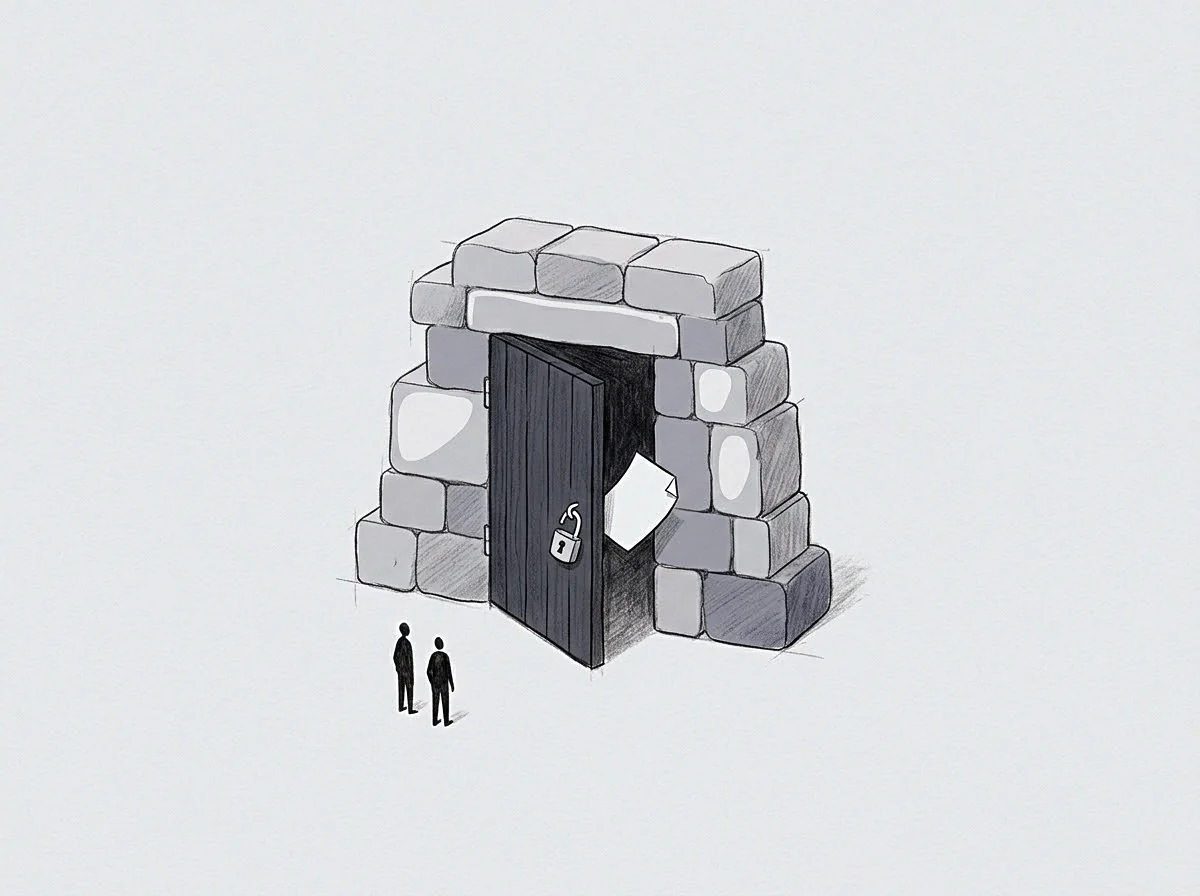
Protocol
Explicit operating parameters provide the physical boundaries needed to recalibrate persistent regulatory models. Relying on an executive to manually reset autonomic tone amid a continuous stream of tactical demands is unworkable. The operating environment must shift to prompt neurological change.
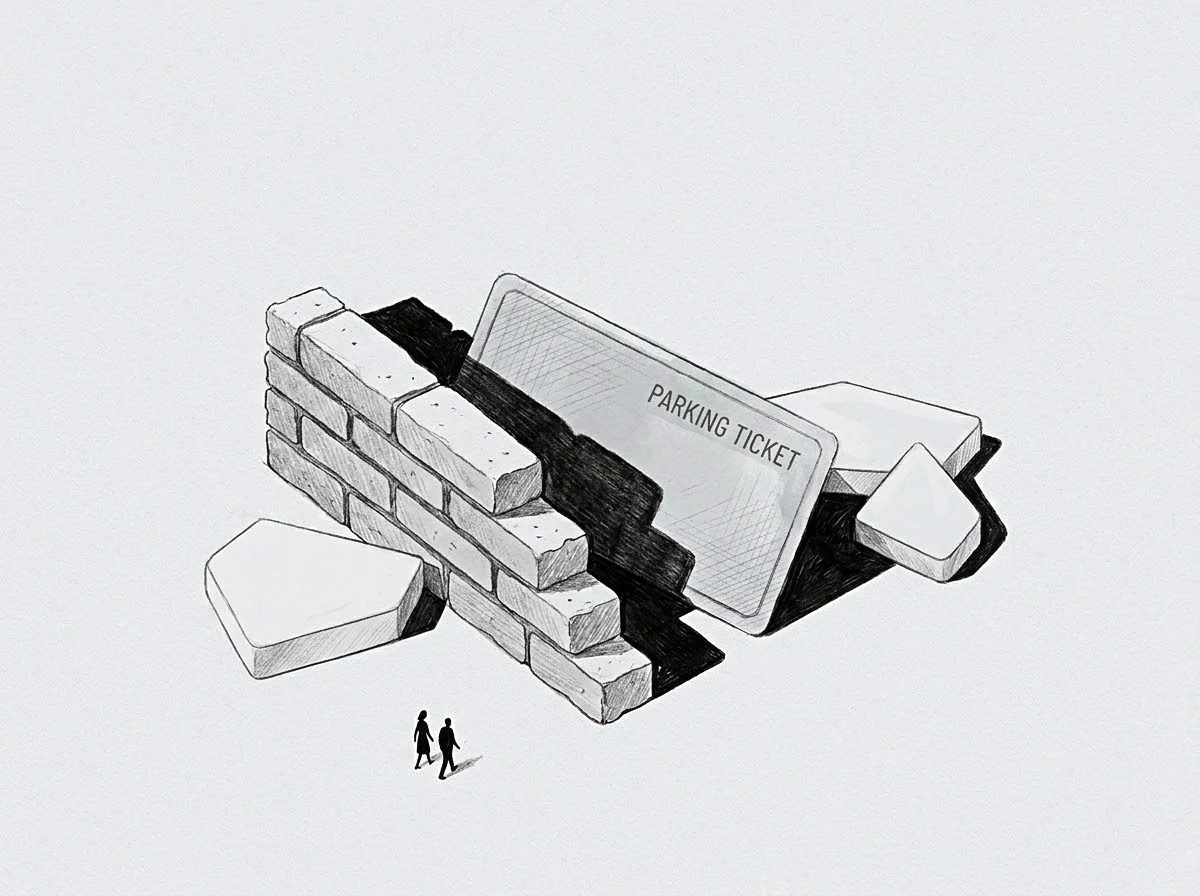
How Does Structural Boundary Setting Force Template Revision?
By establishing concrete operational buffers, an enterprise shields the executive seat from constant relational demands. Defined boundary protocols filter team anxiety before it reaches the leader’s nervous system, allowing earned security to form under operational conditions.
- Establish mandatory asynchronous decision delays for non-emergency operational requests exceeding specified financial thresholds.
- Schedule dedicated bi-weekly processing sessions with non-competing peer founders to experience non-hierarchical co-regulation.
- Delegate full operational authority for recurring tactical fires to direct reports without retaining shadow oversight.
- Measure executive autonomic recovery metrics alongside standard operational performance indicators.
Mandatory asynchronous windows require direct reports to manage immediate tactical tension before escalating a problem. When the executive seat stops acting as an emergency emotional buffer, teams develop their own containment practices. The leader’s nervous system then registers that enterprise operations continue uninterrupted without immediate personal intervention.
This structural proof systematically adjusts the threat calculations underpinning the authority template.
A mandatory forty-eight-hour operational buffer on non-critical strategic choices shifts executive brain processing from reactive defense toward deliberate baseline assessment.

Delta
Long-term organizational development shows up in how leadership manages autonomic strain under pressure. As an executive shifts from an unbuffered posture to a protocol-bounded design, the operational presence of leadership changes. The continuous demand to inhibit somatic threat responses subsides into a measured, durable operating state.
A functional receptor slot allows the leader to take in stability from peers, board members, and external advisors without activating concerns around competence or control. Direct reports adapt to that revised posture. When an executive stops taking on unmanaged anxiety, direct reports assume substantive accountability, rebalancing relational capacity across the enterprise.
Earned security in executive authority turns leadership from a solitary metabolic expenditure into a distributed organizational capability.
Across eighteen months of consistent procedural boundaries, the internal working model shifts to anticipate stability instead of persistent emergency. The executive seat stops operating as an isolated metabolic drain, anchoring into an operational baseline reinforced by defined procedural buffers and functional mutual regulation.