Meaning
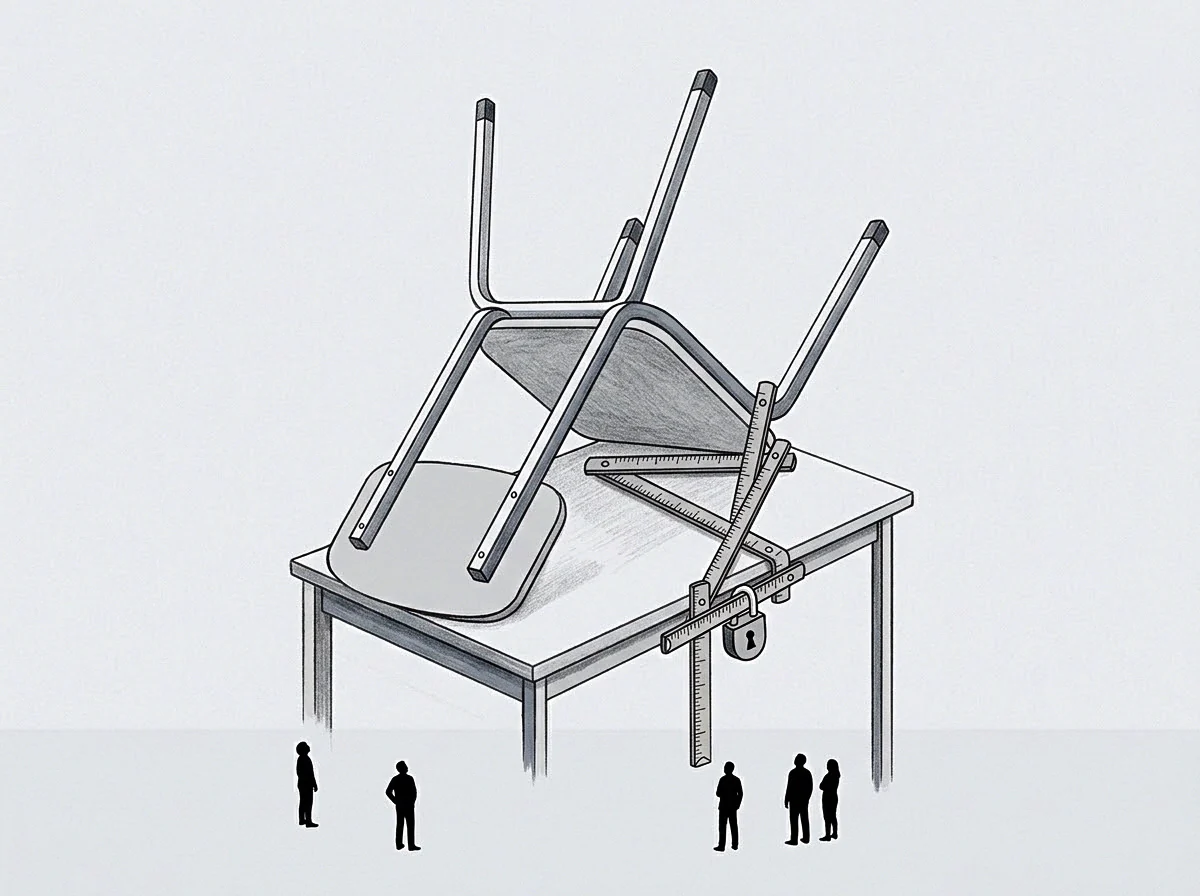
Chemical fluctuations in the nervous and endocrine systems dictate how an individual responds to acute cognitive and emotional demands. This foundation, known as the neuroendocrine baseline, regulates the release of cortisol, adrenaline, and thyroid hormones during everyday tasks. When a founder is subjected to continuous operational friction, this baseline rises, making them increasingly reactive to minor stressors.
Sustained elevation establishes a physiological limit on stress tolerance, beyond which cognitive function begins to deteriorate.
Hormonal Balance
Stable chemical levels are required to maintain clear thinking, emotional stability, and physical stamina. When the neuroendocrine baseline is elevated by weeks of continuous emergency decision-making, the body remains in a state of high alert. This constant mobilization of resources depletes neurotransmitters, which can lead to anxiety, brain fog, and disrupted sleep.
The individual finds themselves unable to unwind even when the immediate threat to the business has been resolved.
Stress Resilience
A balanced nervous system allows for rapid recovery after intense periods of work. When the neuroendocrine baseline is healthy, a founder can face formidable strategic challenges without experiencing lasting physiological harm. The body releases stress hormones to meet the challenge and then quickly returns to its resting state once the crisis has passed.
Recovery Protocol
Resetting an elevated baseline requires a systematic approach to mental and physical rest. Short vacations are often insufficient because the nervous system requires extended periods of predictability to lower its alarm response. To achieve a true reset, the individual must implement strict boundaries around working hours, delegate high-stress responsibilities, and prioritize restorative practices.
These deliberate shifts in lifestyle signal to the brain that the period of acute survival has ended, allowing the underlying chemical networks to stabilize.