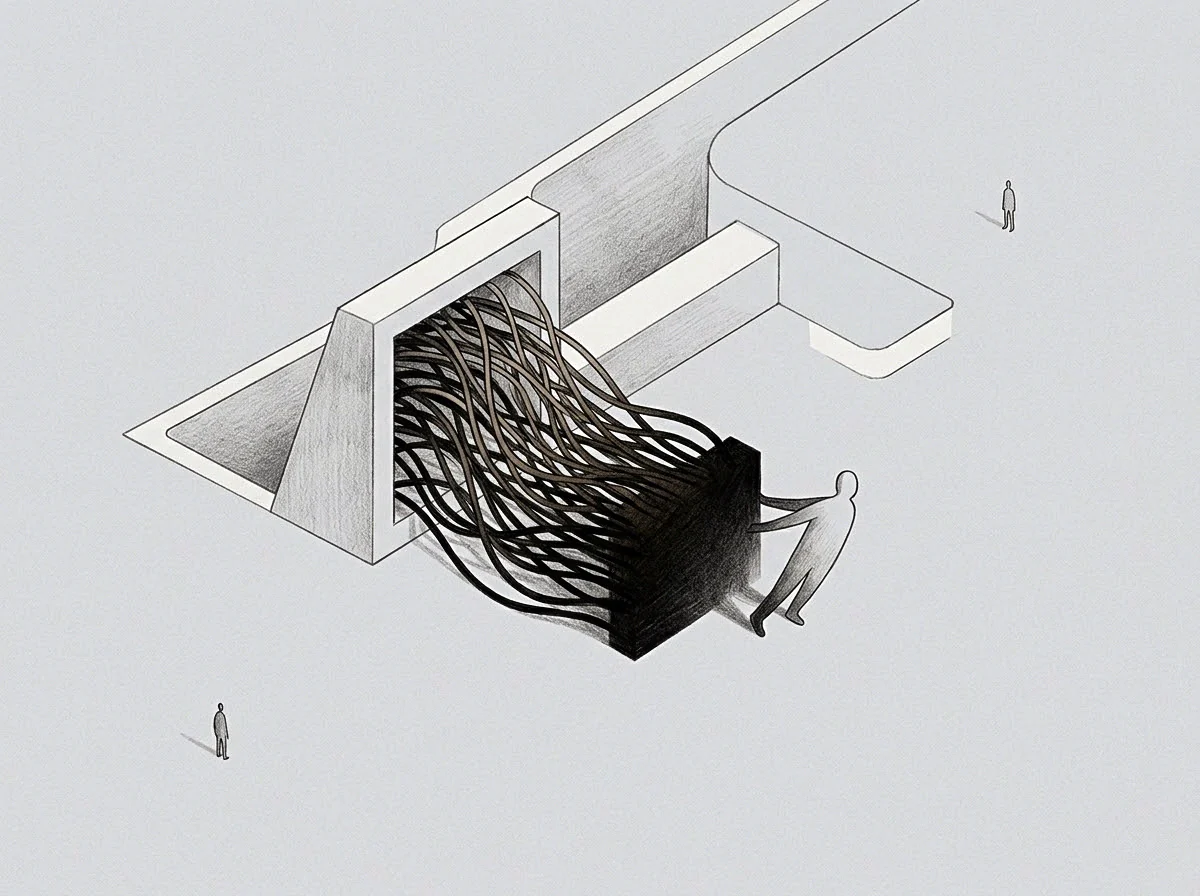
Meaning
Clinical autonomic phenotype describes a physiological state in which nocturnal blood pressure or heart rate fails to decline by at least ten percent compared to waking averages. Individuals displaying a non-dipper profile maintain daytime level sympathetic tone throughout the sleeping period, preventing normal cardiovascular relaxation. This pattern subjects endothelial tissue to continuous hydraulic stress without nocturnal relief.
The classification applies across twenty-four hour ambulatory monitoring periods and loses diagnostic validity during acute infections or shift work disruption.
Vascular Load
Continuous pressure strains arterial walls without nocturnal rest windows. A non-dipper profile reflects persistent autonomic tone that prevents standard cardiovascular recovery. Endothelial damage accumulates faster under unyielding tension.
Vascular elasticity declines.
Systemic Consequence
Elevated nocturnal tension impairs organ perfusion and accelerates target organ strain over extended post-founding tenure. Maintaining a non-dipper profile correlates with reduced cognitive processing speed, executive fatigue, and heightened baseline allostatic burden. Sustained nocturnal pressure depletes neurological reserves needed for high stakes strategic governance.
Physiological recovery demands targeted reduction in daily sympathetic triggers to restore nocturnal dipping dynamics.
Diagnostic Limit
Twenty-four hour ambulatory blood pressure monitoring provides the standard empirical verification for this autonomic phenotype. Identifying a non-dipper profile requires multiple valid readings across normal sleep cycles to exclude transient awakenings. Diagnostic classification guides lifestyle and operational adjustments.
Measurement boundaries prevent false positive assignments.