Meaning
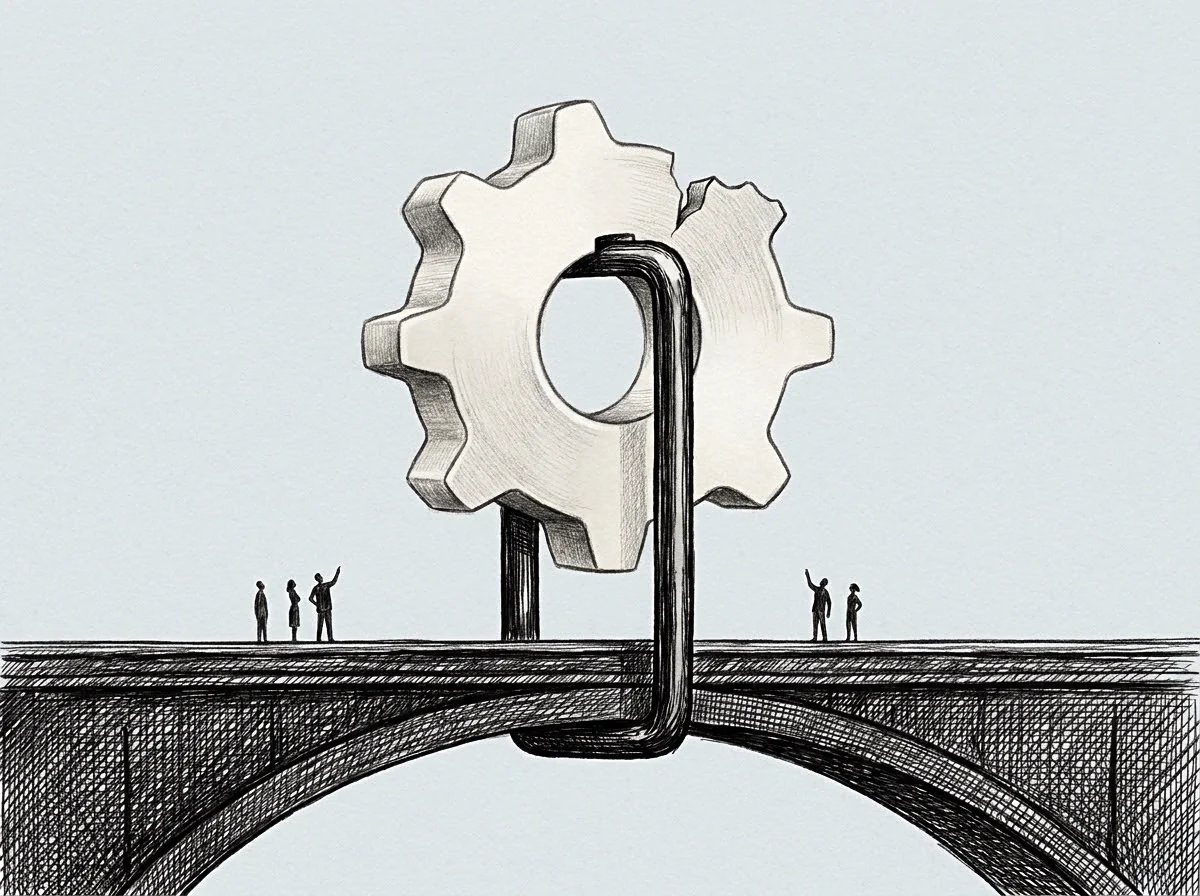
A transport disruption occurs when signaling molecules are prevented from moving across the nuclear membrane to initiate gene transcription. When an individual suffers from nuclear translocation failure, the body cannot activate the protective genes needed to resolve cellular stress. This blocks the normal adaptive response to pressure, leaving the cells vulnerable to injury and accelerating systemic exhaustion.
Transport Block
The proteins responsible for moving receptors through the nuclear pores become inactive or structurally altered during prolonged high-demand periods. This nuclear translocation failure locks necessary adaptive signals out of the control center of the cell.
Functional Decline
Because the gene expression required to downregulate the stress response is stalled, the system remains in a perpetual state of chemical agitation. The founder experiences this at the macro level as an inability to decompress, chronic insomnia, and a severe decline in creative problem solving ability. The constant metabolic strain of this transport block consumes the cognitive resources needed for strategic planning and executive leadership, slowly degrading the quality of overall business operations.
Recovery Condition
Restoring the molecular transport machinery requires a significant reduction in the cellular workload and an increase in nutrient availability. Until transport pathways are repaired, the body cannot respond to therapy or standard recovery practices. This physiological bottleneck must be cleared before any return to high-pressure work is possible.