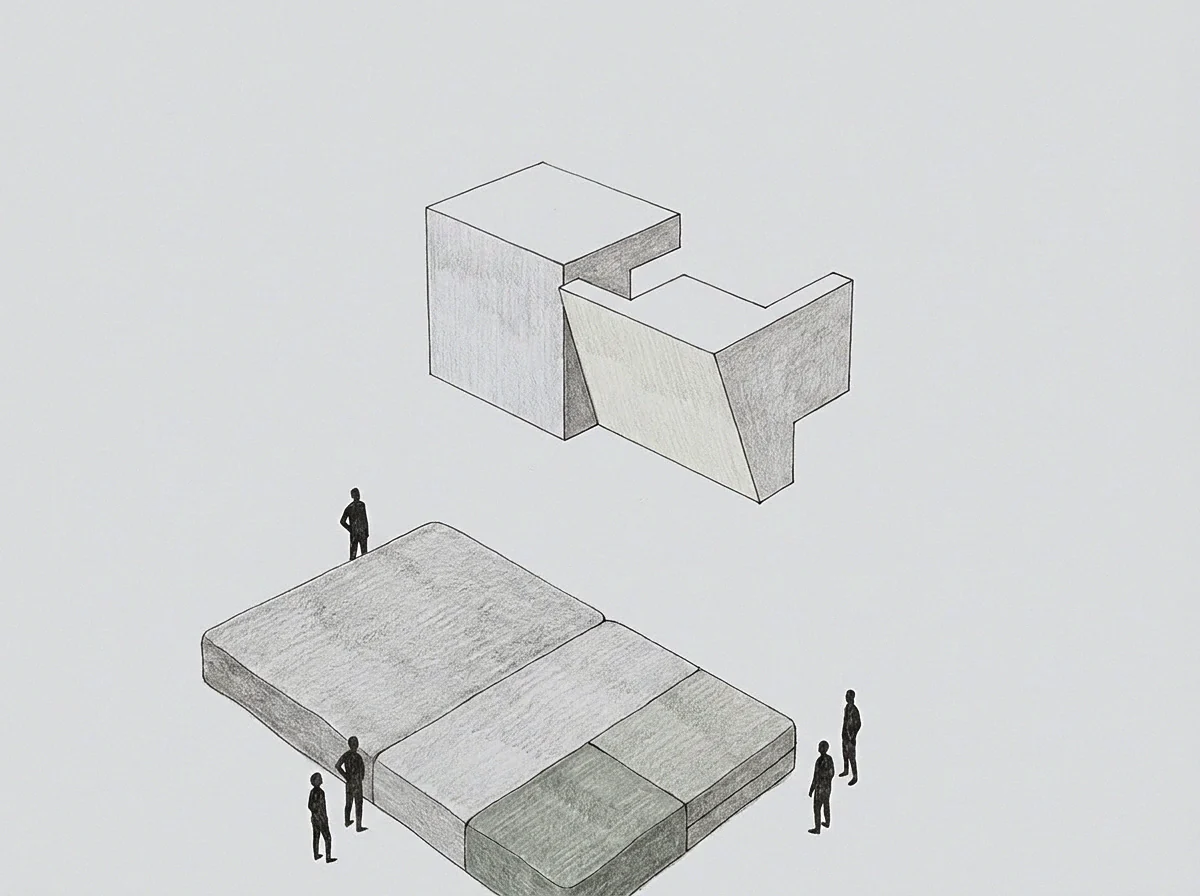
Meaning
Unresolved task architecture describes incomplete operational commitments or pending decisions that consume working memory capacity without active resolution. When active projects pause without explicit closure or documented next steps, open cognitive loops continuously occupy neural processing bandwidth. This condition governs background mental load and ceases to apply once an item is formally resolved or delegated.
Memory Burden
Persistent working memory allocation occurs when micro-decisions remain unfinalized across multiple projects. The presence of open cognitive loops forces the prefrontal cortex to retain background awareness of outstanding obligations, increasing subconscious mental fatigue. Subconscious scanning of pending actions consumes energy that would otherwise support primary analytical work.
Information retention demands multiply as unresolved operational threads accumulate over time. Executive attention fragments under the weight of competing unresolved inputs.
Attention Fragmentation
Micro-interruption frequency increases as pending tasks pull focus away from current operational priorities. Operating under numerous open cognitive loops leads to rapid context switching and elevated error rates in routine task execution. Mental baseline strain elevates even during off-hours as working memory repeatedly surfaces unresolved operational dilemmas.
Resolution Requirement
Definitive task categorization eliminates unnecessary background processing in prefrontal circuits. Neutralizing open cognitive loops requires committing every pending action to an external tracking system or rendering a final binding choice. Systematic externalization frees internal processing resources for active high-value decision making.